This has always been a true statement and understood among serious shooters. Sure, you can shoot with a crappy trigger, and the gun manufacturers forced that point for decades. When I started writing about guns in the ’80s you could count on any new gun to show up with a horrible trigger.
“Liability,” they said.
I argued for years that it didn’t have to be that way. I believed that a firearm could have a good trigger pull and still be safe. But the gun makers hid behind their lawyers and took the easy route. I was actually told at one seminar put on by a large gunmaker that if I didn’t drop the subject I would be asked to leave. It got even worse when they started putting locks on the guns, but that’s another subject entirely.
Things changed for the better after Savage introduced the AccuTrigger in 2002 and forced the rest of the industry to follow suit and install better triggers on their bolt-action rifles. I was a beta tester for that trigger, and I told them I didn’t think it had a future with hunters. Guess I blew that one!
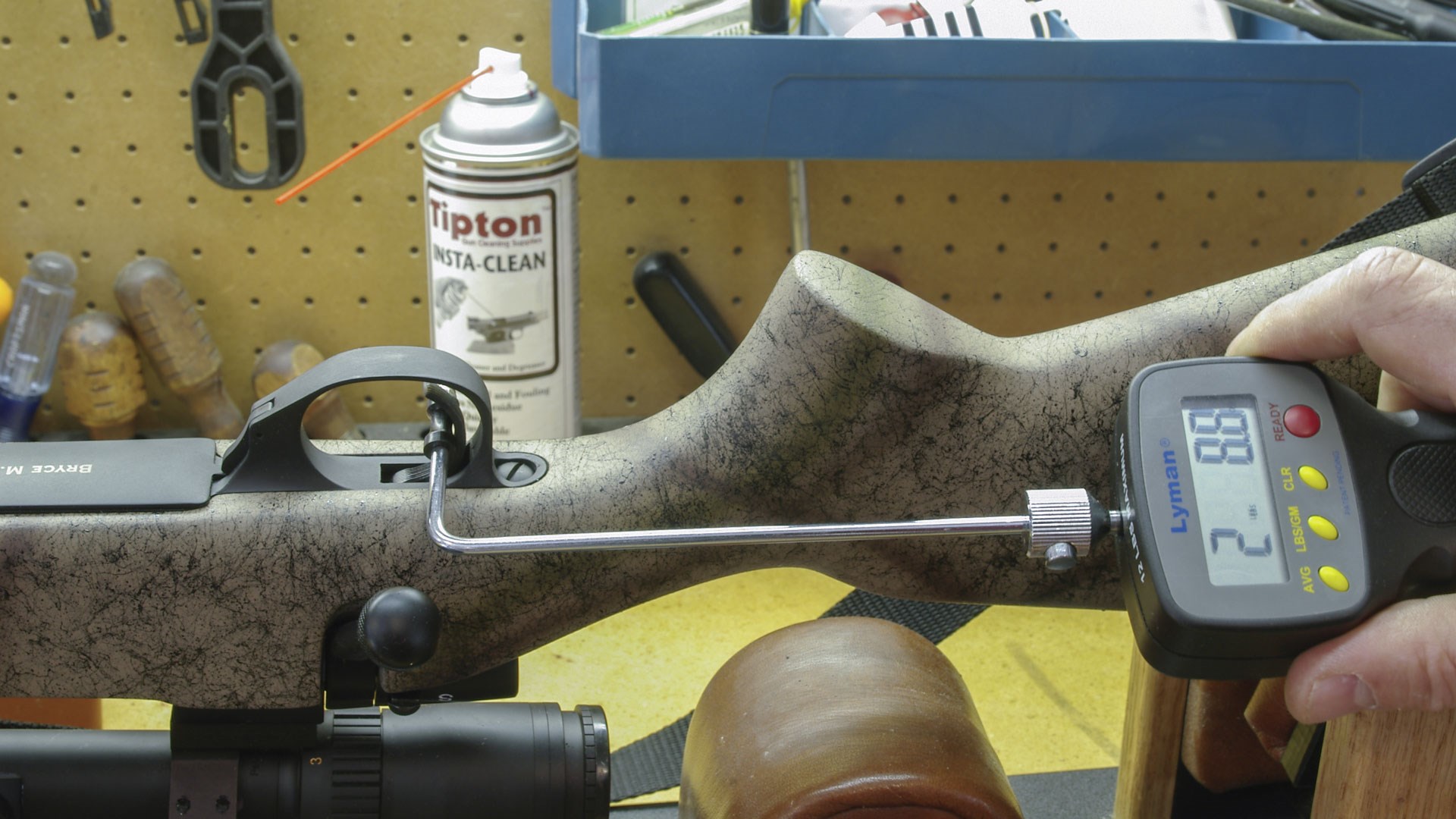
I still get a few guns to test with horrible triggers. I won’t name names, but a recent bolt-action rifle sent to me has an atrocious 9-pound trigger pull. It’s otherwise a decent, “price point” rifle.
Many “not bolt-action” rifles still come with bad triggers. That includes a lot of lever actions. There is a resurgence in interest in them these days. I haven’t tried them all, but the new lever-action rifles I have been shooting range from horrible to so-so in the trigger-pull department. That includes some rather expensive guns.
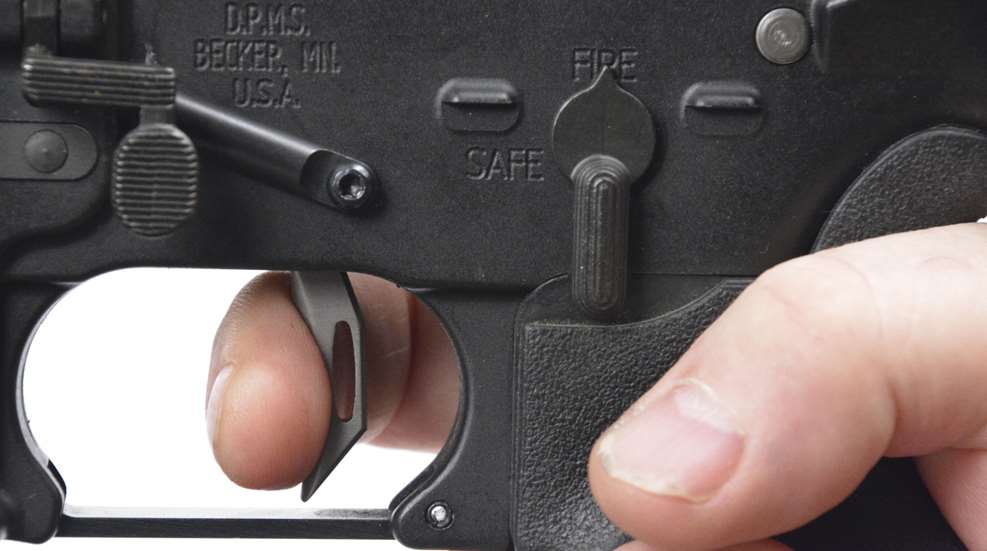
AR-style rifles, particularly the less expensive and the so called “mil-spec” guns, are usually shipped with difficult triggers. Remember “mil-spec” guns are designed to give to a scared kid to take into battle. The idea is not so much about precision shooting as it is to avoid accidental friendly fire.
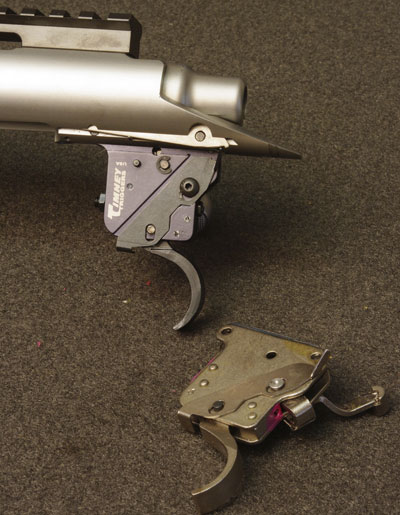
So what makes a good trigger? Most will say the pull weight. But that’s not the most important thing. What is more important is that the trigger pull is 100 percent predictable. It must be consistent from pull to pull. Not all triggers are. I have measured many hundreds of them over the years, and it’s remarkable how many will have a huge variation.
It’s impossible to shoot up to the accuracy potential of the firearm with an inconsistent trigger simply because the shooter cannot predict when the gun will fire. Sure we have all heard “make it surprise you when it fires.” That is good advice for a beginner. It helps them get past many problems. But any experienced shooter will know exactly when the gun will fire.
Part of predictability is a smooth trigger pull. One description I like is that it’s like glass sliding on oiled glass. When a trigger feels more like dragging a logging chain down a rocky road, there is no predictability. Even one “hitch in the get along” is too much.
With the single-stage triggers used in most hunting guns, excessive movement in the trigger before it fires is another problem. A trigger like that can introduce a big variable when shooting. Of course, a trigger must move to work, but the less movement it needs the better it will feel to the shooter.
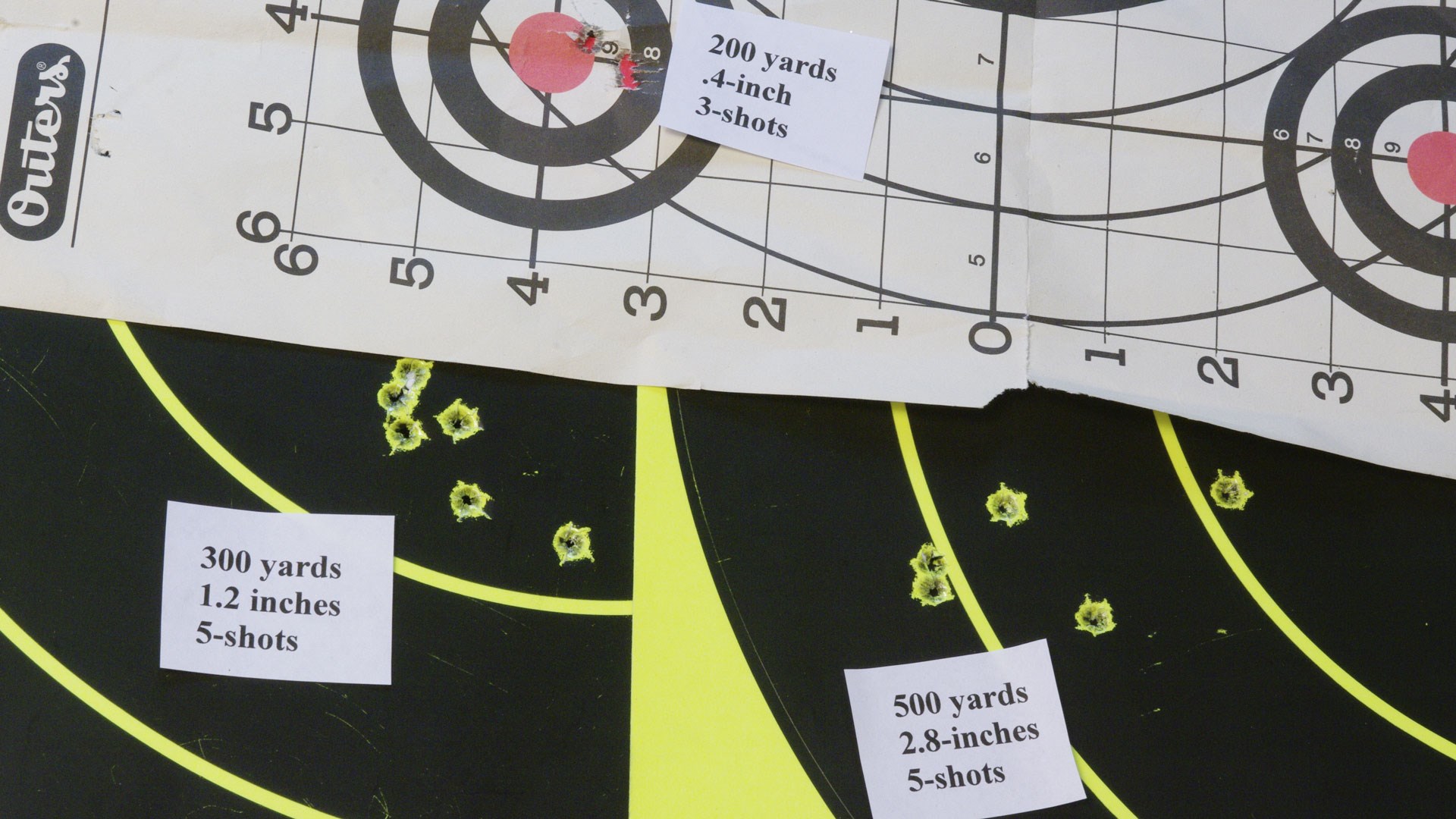
Movement after it breaks is called overtravel. This can mess up the shot by introducing a variable to the follow-through. So it’s always best to have minimal overtravel in a trigger.
Finally we come to the pull weight. It doesn’t have to be excessively light. In fact, too light can be a mistake in a hunting rifle. When you are cold, your hands are wet and the adrenaline is pumping, it’s important to have a trigger you can feel.
I have come to dislike an ultra-light trigger pull, even on target rifles. They are simply too hard to control and predict. While it’s cool to brag to your shooting pals about your 8-ounce trigger, I think an ultra-light trigger pull is a crutch and a detriment to good shooting. On a hunting gun it can be a disaster.
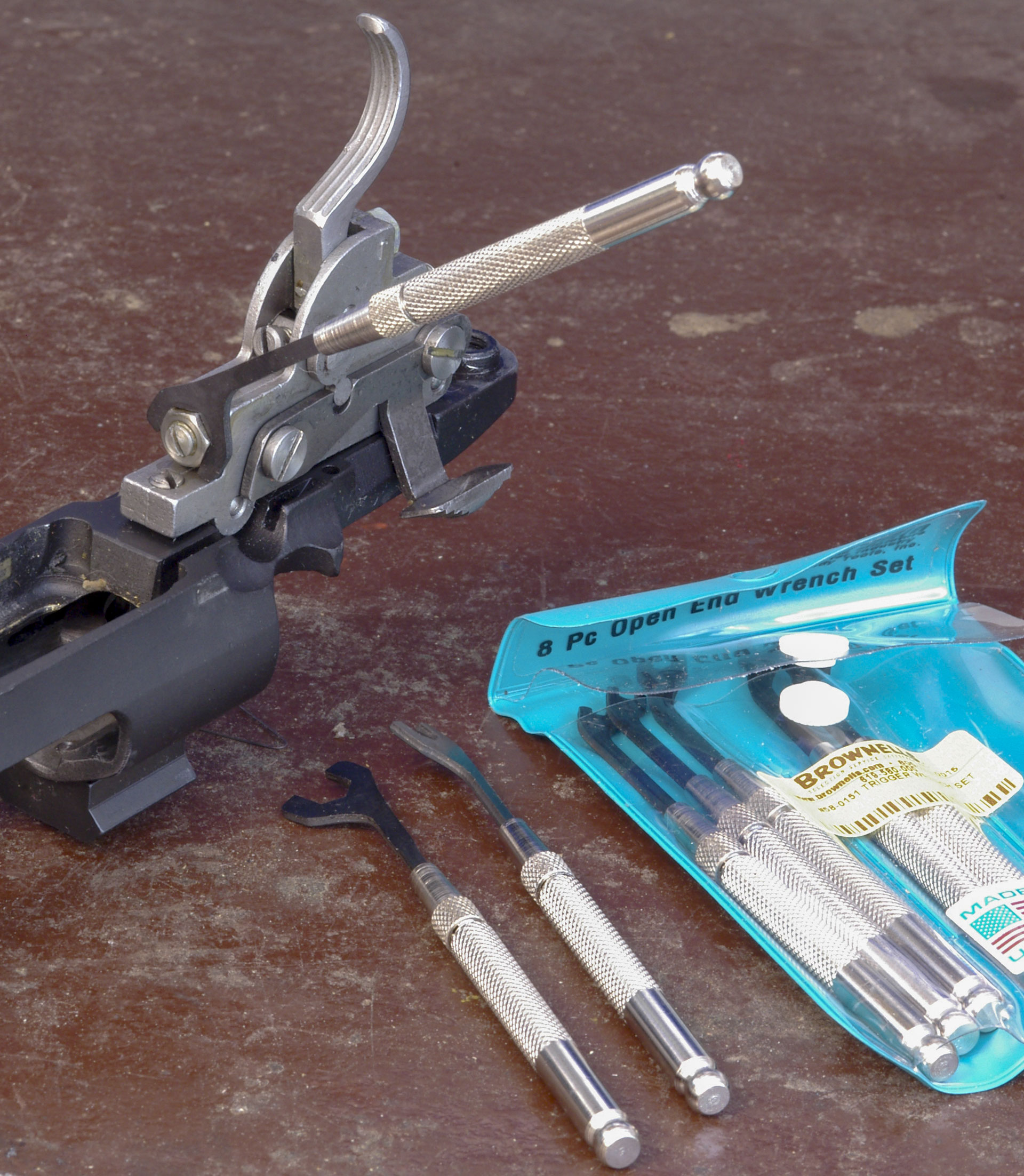
I adjust my hunting rifles to a 3-pound trigger pull. If it is clean and crisp, you will swear that it is half that weight. I might go a bit one way or the other depending on the gun and its intended use, but 3 pounds is a good baseline.
Many factory triggers these days are user adjustable. I highly recommend you have somebody who knows triggers teach you how to adjust and safety-check your trigger. If it’s still rough and catchy, it will likely take an experienced gunsmith to smooth things.
Perhaps a better solution for most hunting guns is to replace the trigger. A few bucks for a high-quality aftermarket trigger might well be the best money you can spend on most hunting rifles. Many of them are easy enough to install and you can do it yourself. Some rifles are a bit trickier and you may need to find a gunsmith to do it for you.
Over the course of my 40-some-odd years of writing about guns and gunsmithing I have tried several different aftermarket triggers. Many, in fact most, are pretty good. I don’t want to play favorites, but in the interest of truth, I use mostly Timney triggers these days. The quality and customer service are excellent, and they have perhaps the most options on the market. They are expanding all the time, and as I write this one of their new lever-action trigger kits for Marlin rifles is on my bench. It and an older rifle that really needs its help are waiting there for me to finish writing this.
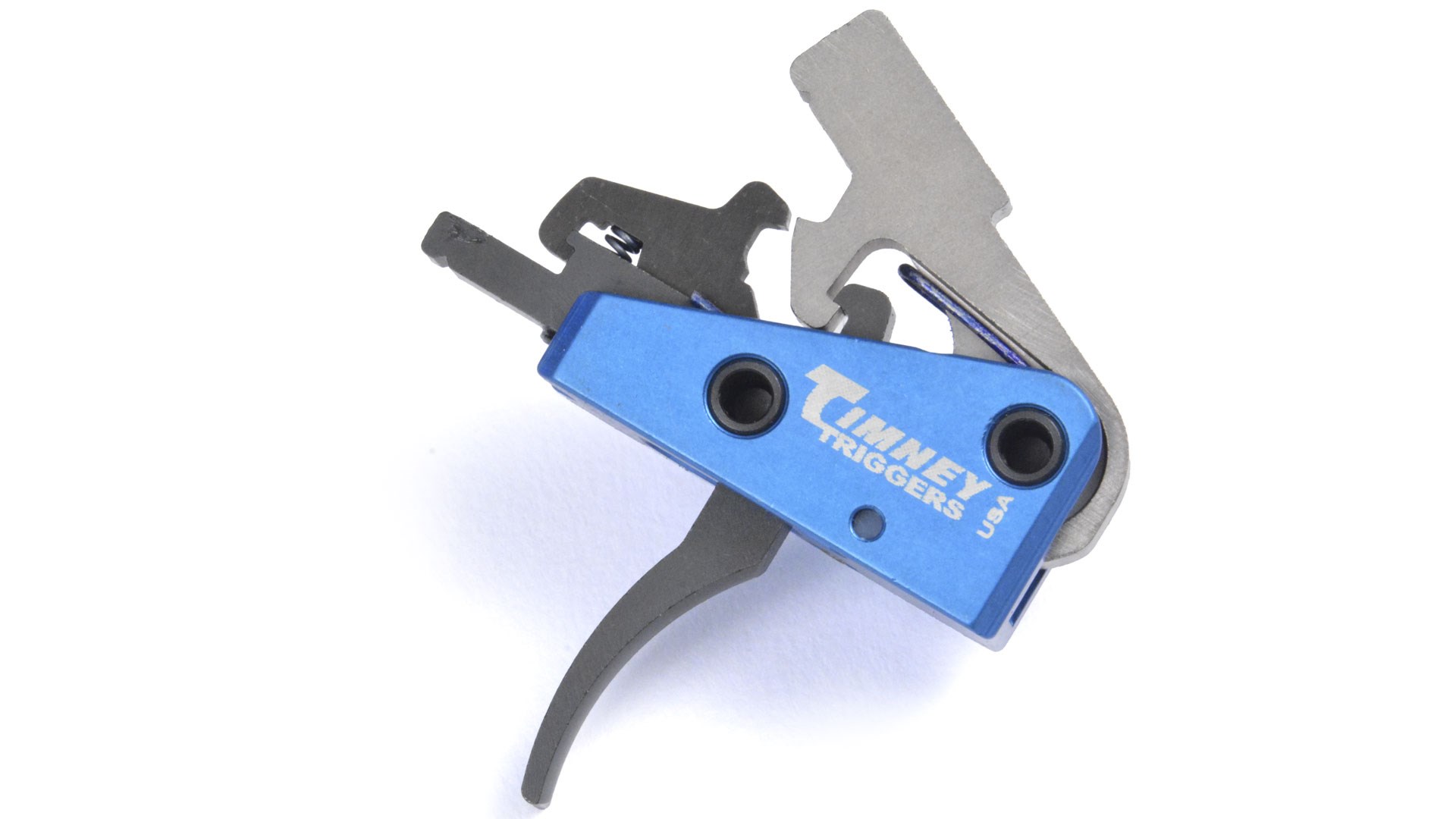
One thing I can promise is that if you put a better trigger on your rifle and practice, you will be a lot more successful in future hunting seasons.