The U.S. Fish and Wildlife Service (USFWS) has released its 2026 Waterfowl Population Status Report. This report contains results from surveys and population estimation methods conducted by the USFWS, Canadian Wildlife Service and numerous state and provincial partners.
The estimate for total breeding ducks in the traditional survey area was 33.4 million, similar to the 2025 estimate of 33.9 million. The figure is, however, six percent below the long-term average, which encompasses data collected since 1955.
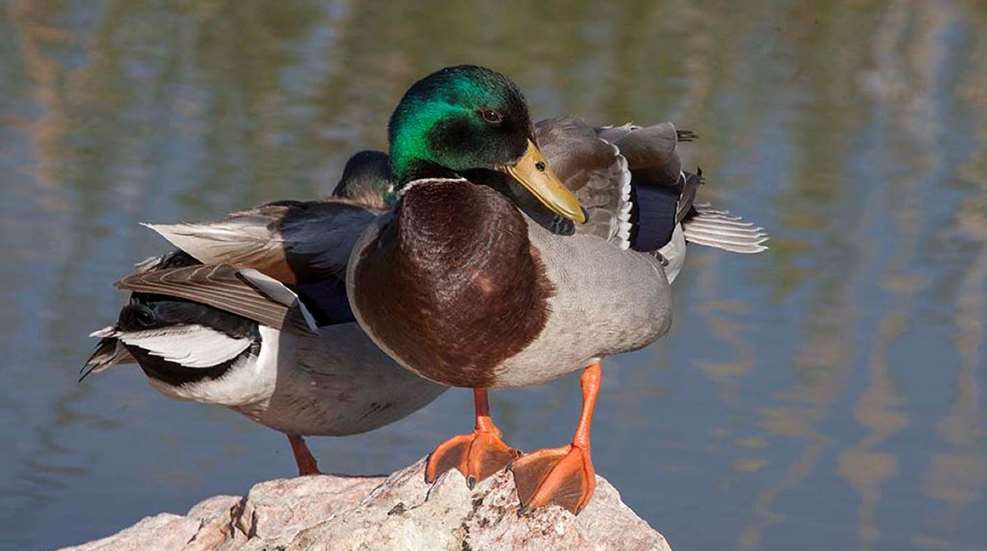
Mallards were estimated at 5.9 million, 11-percent below last year’s number and 26-percent below the long-term average. May’s pond estimate came in at 4.8 million, which reflecting a 14 percent over 2025 findings.
The USFWS report also includes breeding population estimates for six common duck species groups from the eastern survey area, which encompasses eastern Canada and the northeastern U.S., from Virginia to Maine. Estimates for these six species groups were essentially unchanged from 2025.
“These results are largely consistent with our expectations, as last year saw the lowest recorded May pond count since 2004. Those dry conditions almost certainly resulted in low production in 2025 and slight to moderate declines in returning breeding populations this year,” said Dr. Steve Adair, Ducks Unlimited chief scientist. “Mallards are now at their lowest level in over 30 years. This provides a stark reminder that our conservation work is far from done and underscores the need for sustained investments in science-based population monitoring and management.”
Other findings included an 11-percent decline in pintails. Their numbers are now 48-percent below the long-term average. Blue-winged teal were estimated at 3.9 million, also down 11 percent from 2025 and 22 percent below the long-term average.
There was some good news, however. Diving duck populations remained strong in the traditional survey area. Redheads and canvasbacks were 26- and 32-percent above their long-term averages, respectively.