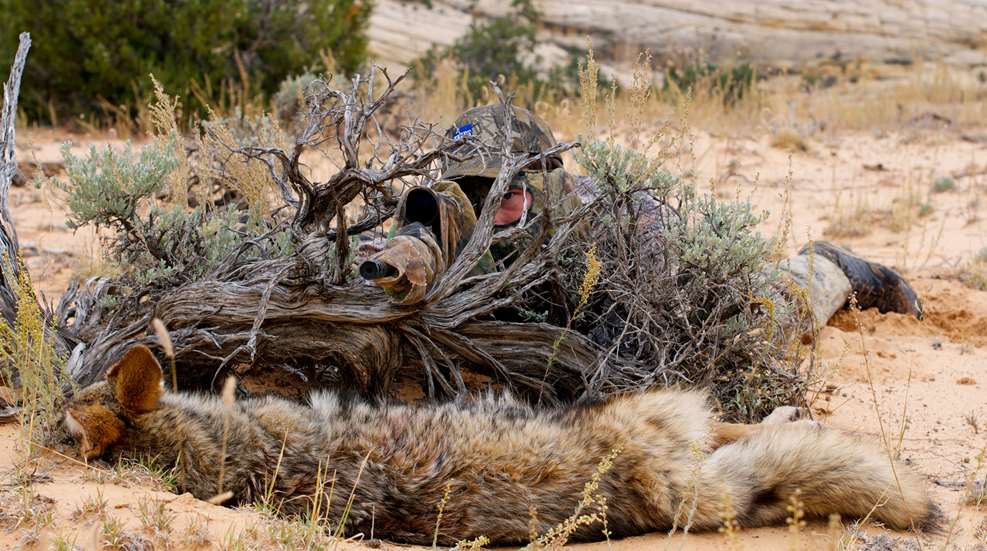
This year’s elk meat is safely in the freezer, the mule-deer season is just a good memory, and even the whitetail rut in your favorite deer woods is over. You still hunger to spend time outdoors, and what better way than hunting predators across the wide expanses of the Desert Southwest? You’ll have an awesome time, help control predator numbers, and reduce pressure and predation on the local big and small game. But hunting predators out west is not the same as in your local big woods or farm country. It can be much harder, but also can offer some awesome opportunities and adventures. Here are a few tips to help you have a fun and successful hunt.
Use OnX
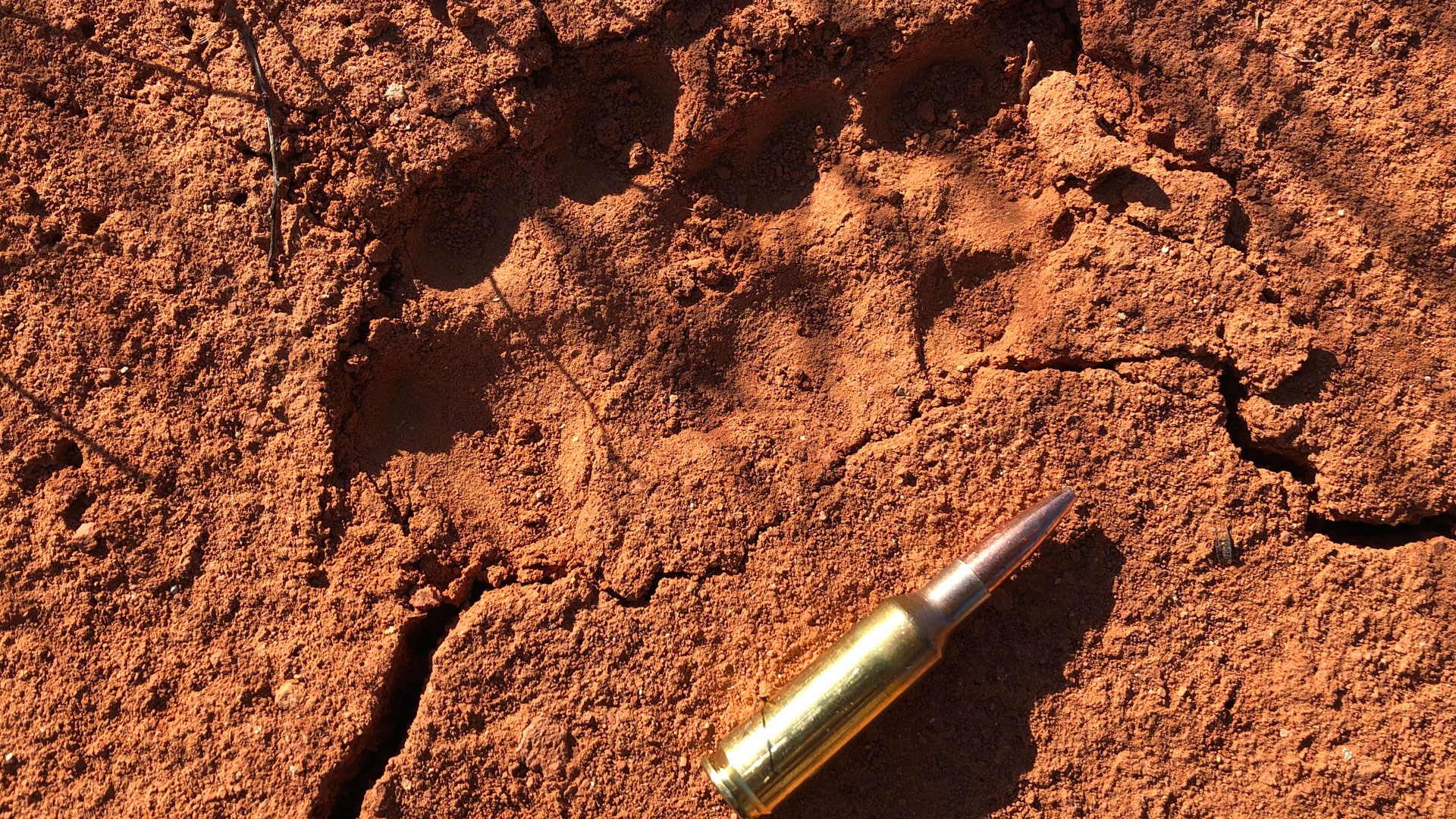
The OnX app is one of my most-used tools. If you don’t already have it on your mobile device, download it before you go hunting. It shows satellite imagery, Topo maps, roads, water sources, and so on. You can save waypoints, mark routes, measure distance, and much more. Most importantly, OnX shows you private- and public-land boundaries, and shows your exact position relative to those borders. It’ll enable you to safely and ethically access public lands, and keep you from accidentally trespassing on private lands. It’s easy and intuitive to use, and will help you hunt smarter.
Use an E-Caller
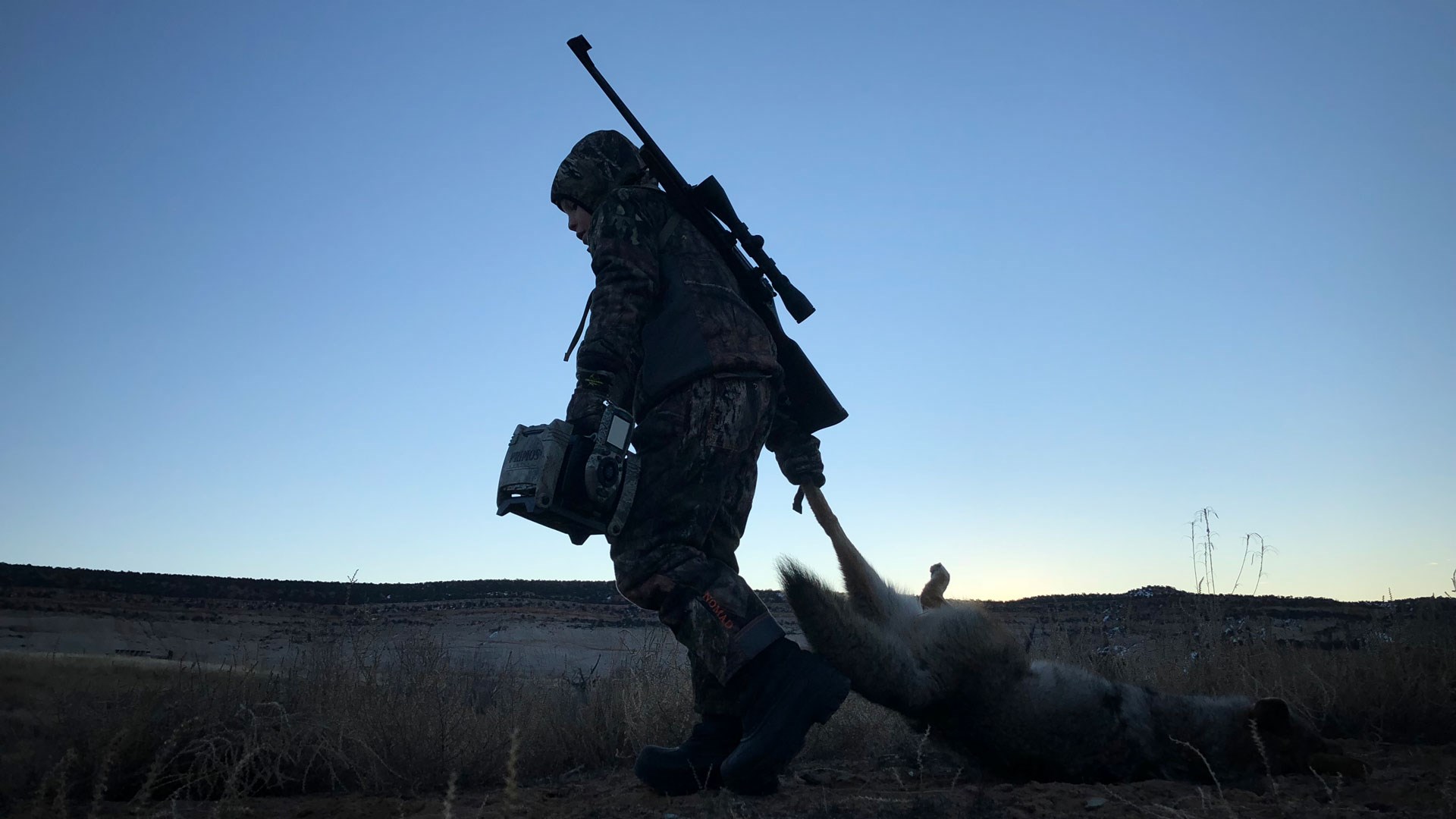
Even if you are a master with mouth calls, I recommend having a good-quality electronic caller in your arsenal. It’ll add significant advantages at some setups. Have a large selection of sounds downloaded, including some unusual or uncommon ones, if possible. Public-land predators get a lot of pressure, and the smart, old ones have heard most of the common sounds and are not likely to be fooled by them. Try something odd or unusual and they might be tempted beyond their endurance. Mix in a few mouth sounds and your performance becomes even more interesting.
Work Fast for Dogs
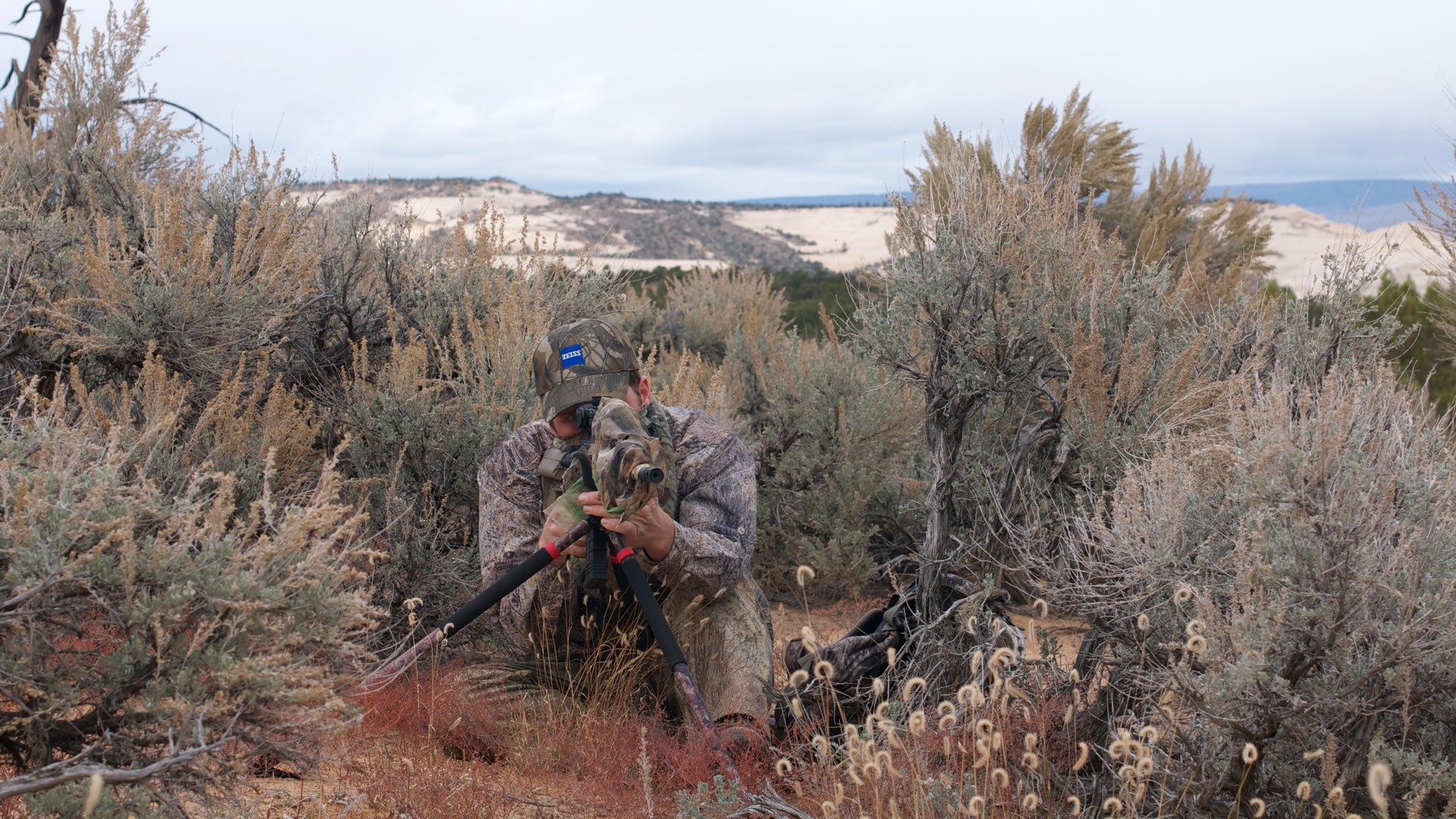
If you’re looking for canine predators (coyotes, fox) don’t spend a ton of time at each setup. Yes, it’s true that some smart old dogs will take a long time making a careful approach, and you’ll miss out on those. But over-all, you’ll see more dogs by hitting more setups. Most canines will show up—if they are going to come—within the first 20 minutes of calling. One world champion caller I heard about only spends eight minutes at each setup before moving on. So set up, focus hard for 20 minutes of calling, then move on to the next setup.
Hunt Slow for Cats
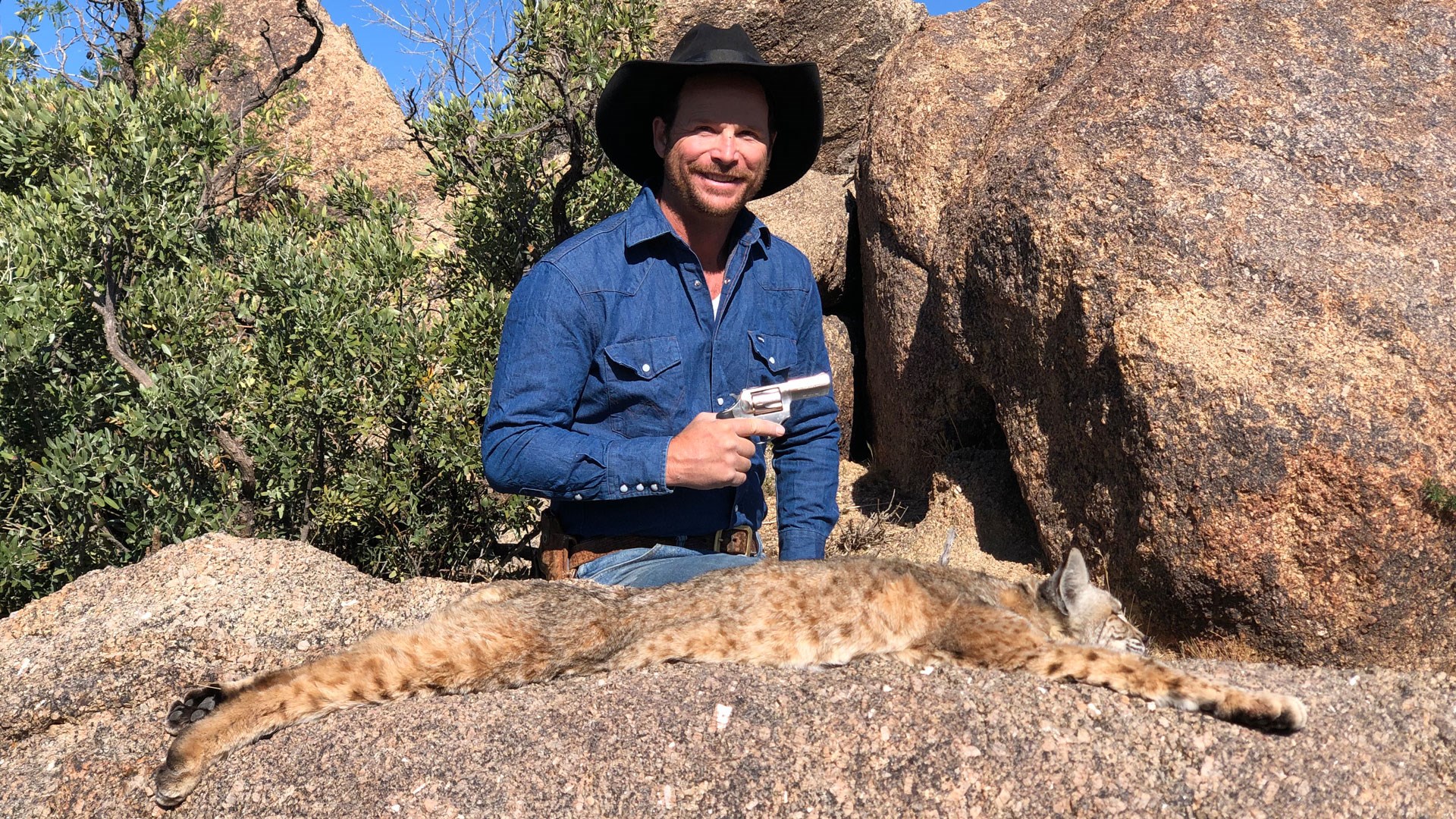
On the other hand, if you really want to call cats, patience is huge. Bobcats are what most cat hunters focus on, though in a few states you can buy an over-the-counter mountain-lion permit and hunt those as well. Set up overlooking habitat suitable to cats (boulder piles, brushy washes, etc.) where a cat can stay under cover until it’s within 20 yards or so of your call. That will make them more comfortable and likely to approach the call. Use mostly bird-in-distress sounds. Stay very alert and watchful—as cats are hard to spot—and call for at least an hour at each setup. Keep the E-caller going non-stop, since cats tend to loose interest when the sounds stop.
Approach Stealthily
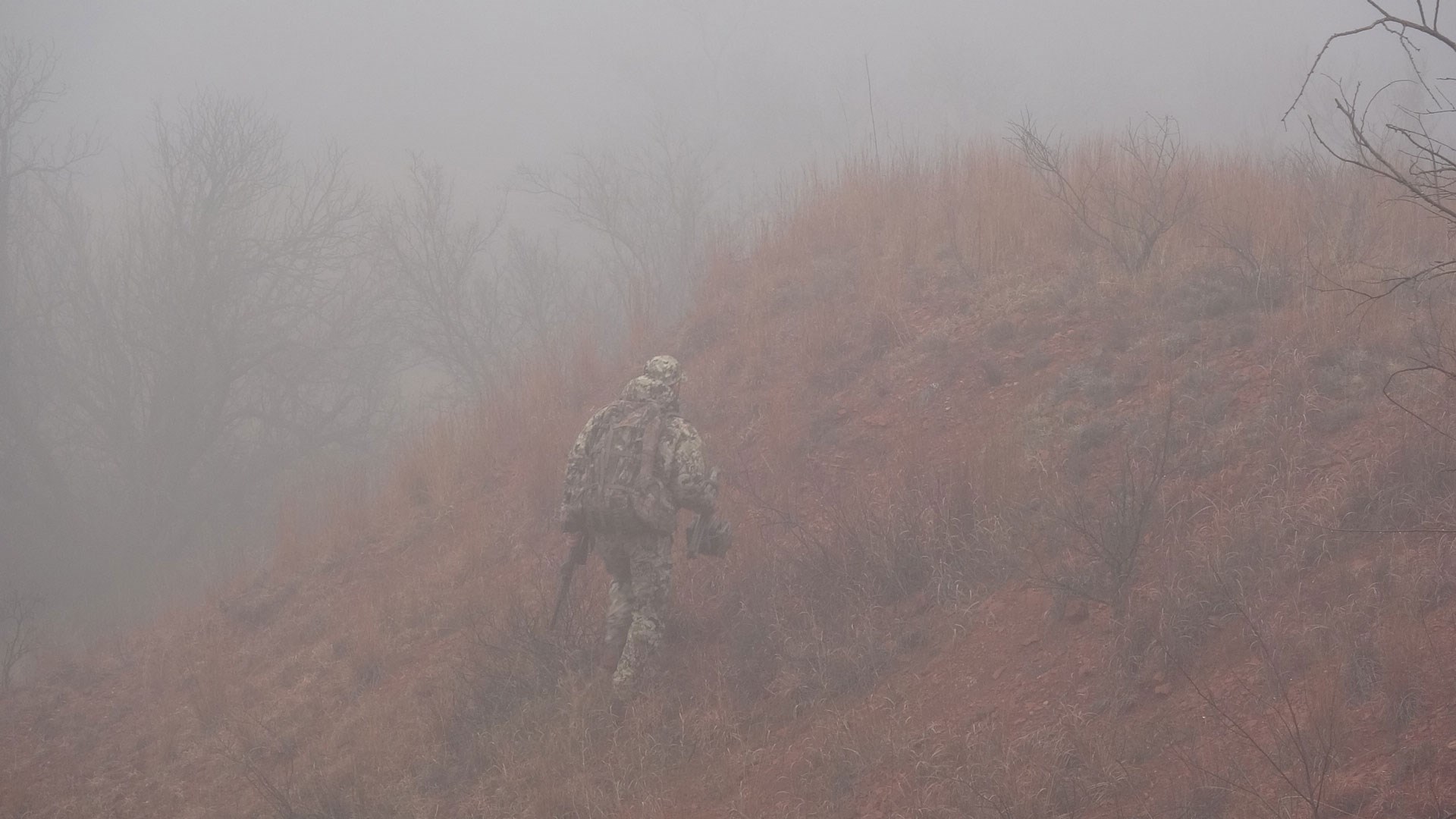
I believe that one of the biggest and most-common mistakes predator hunters make is noisily approaching a setup, then starting their call too soon. Predators are far from stupid, and will quickly file the sound of a motor, a call, and a shot into their “Get Out Of Dodge” memory bank of sounds. Be very cautious when you approach a setup. Park at least 300 yards from where you plan on setting up, and try to tuck your vehicle into some little pocket where it’s out of sight. Slip carefully into position, then sit absolutely still and quiet for several minutes before starting the call. When you leave be quiet and stealthy as well, in case some reluctant critter is hanging just out of sight or earshot. No need to confirm his suspicions.
Hang a Feather
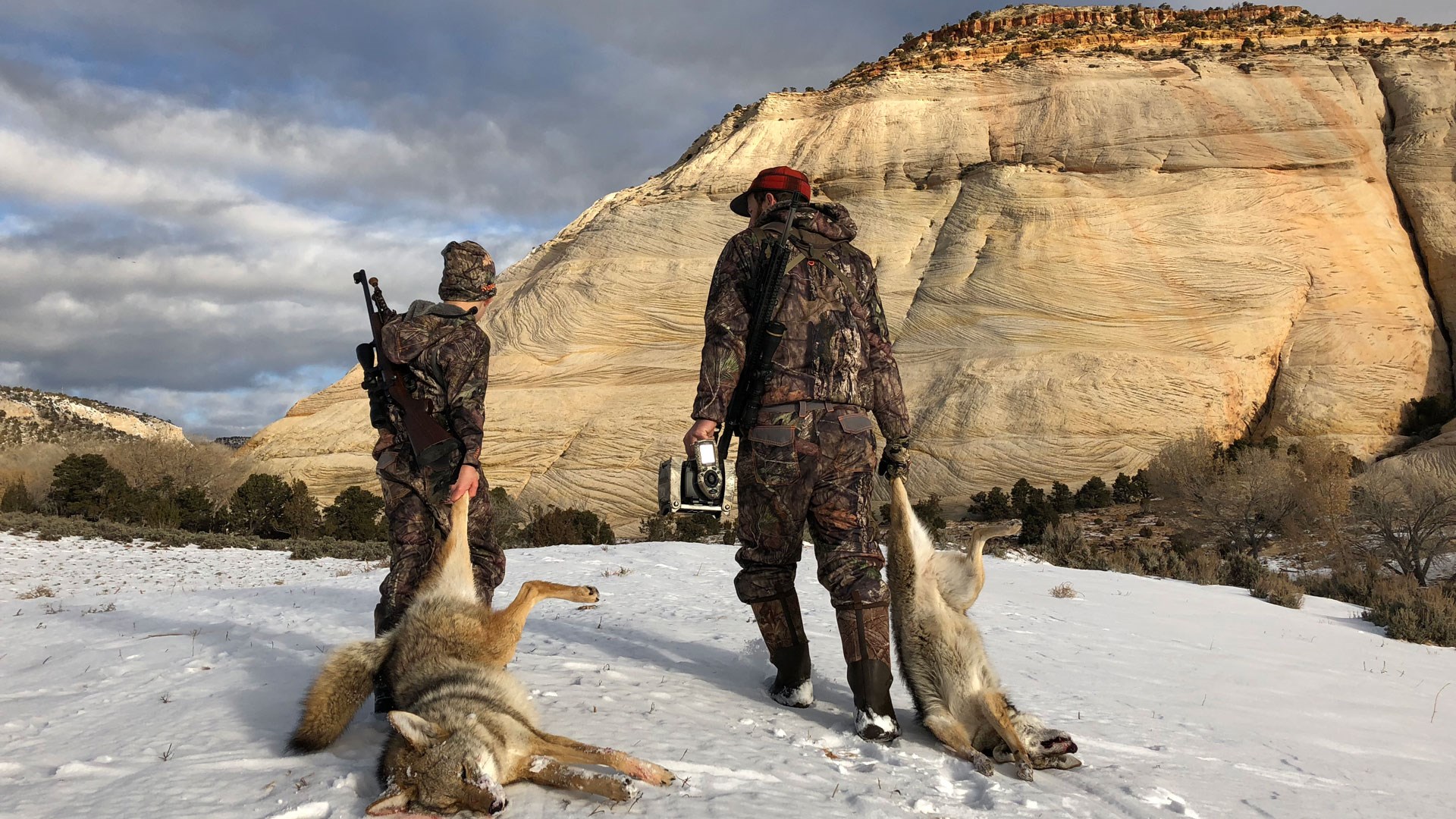
If circumstances allow you to hang a small white feather in the vicinity of your call, do so. Cats especially are fascinated by movement (think of a house cat watching a string end), and if they see your feather twirling in the breeze will largely ignore looking for danger (you). Hang your feather in a location where it’s easy for an approaching predator to spot.
Hunt over Water
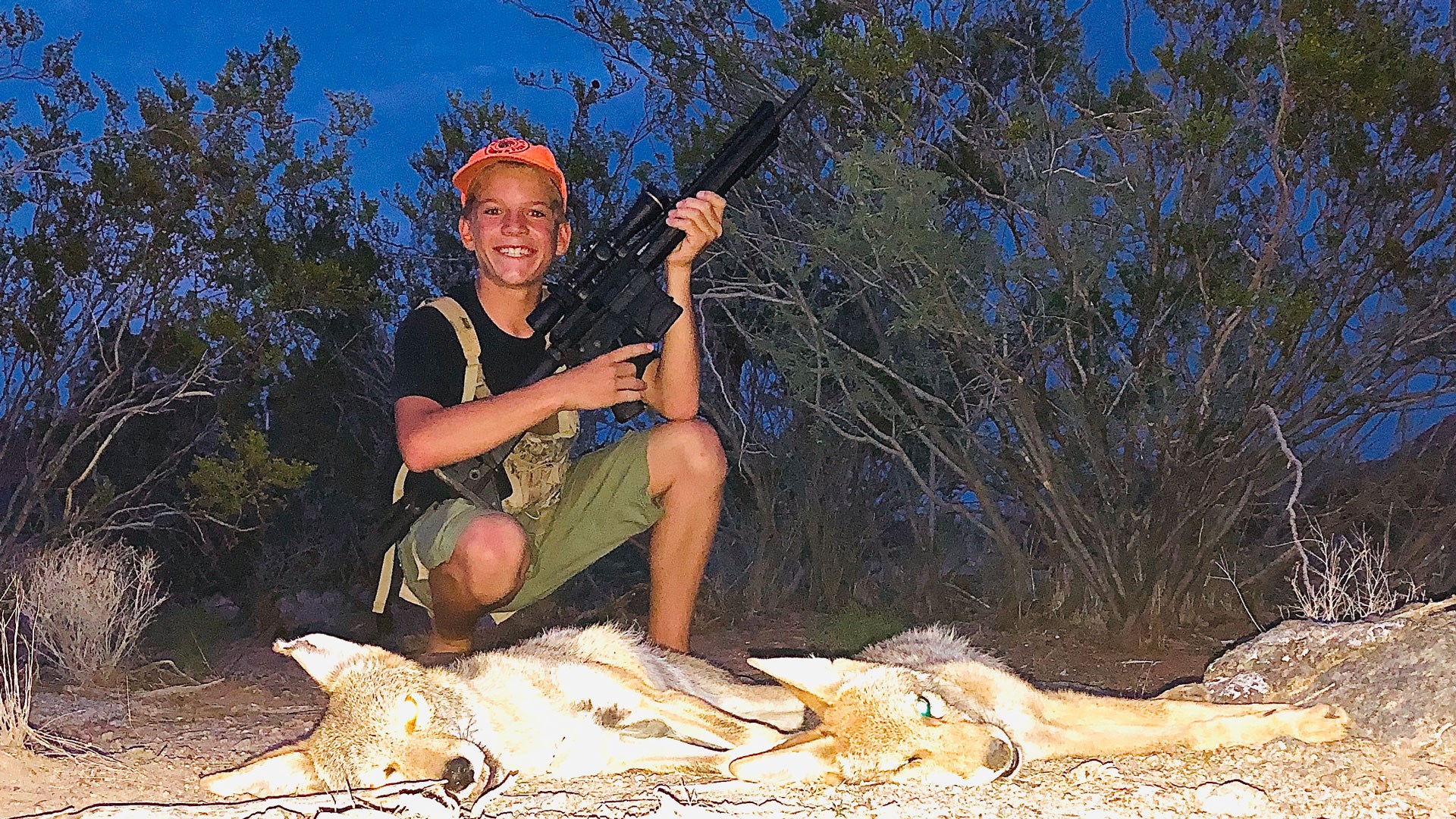
If predators are not responding well to your calling, try setting up over water for an afternoon sit. Coyotes like to drink and play in the water during the afternoon, especially if the weather is hot. For this to work, water must be limited, so if there has been any precipitation during recent weeks don’t bother. But if it’s been dry and water is scarce, hunting coyotes over water can be dynamite during hot afternoons. If you shoot one just sit still and continue to wait. More are likely to show before darkness settles over the hills.
Call at Night
Some western states allow nighttime predator hunting during some or all of the year. Hunting fox and bobcats can be especially effective after darkness has fallen over the desert, and the hunting can be super fast and fun. You’ll need a strong spotlight with a red lens, and some way to get above the surrounding terrain. Critters are less likely to be spooky around vehicles at night, and many nighttime hunters use high racks in the back of their pickups. Just park, turn the engine off, and place your E-call on the cab or hood. Be very quiet for a few minutes, and then start the call. You’ll need two people: one to man the spotlight, and the other behind the gun. Cruise the spotlight beam in a circle around your position, searching for the reflection of an approaching predator’s eyes. When you spot eyes, keep your light high so just the halo of light dimly illuminates him. Once your shooter is ready drop the beam directly on the predator so he can identify and potentially shoot. The predator will only stand for a few seconds once the main light beam is on him, so if you’re going to shoot, don’t wait around. Be sure to check local regulations to determine legal seasons, species, and times before hunting at night.