On Jan. 1, 2026, the price of a National Firearm Act tax stamp to take ownership of a suppressor dropped from $200 to $0. A flood of eForm applications struck at the stroke of midnight, setting a record estimated at 150,000 that day alone, many of them submitted by hunters. The Bureau of Alcohol, Tobacco, Firearms and Explosive (ATF) website, more accustomed to an average daily load of 2,500, struggled under the demand. By month’s end more than a quarter million were received by ATF.
The cash savings fueled the overnight surge, but suppressor ownership was growing at a significant pace long before. ATF reported there were 900,000 lawfully owned in 2016. By 2021 the figure was up to more than two and a half million. According to the National Shooting Sports Foundation (NSSF), “…between 2020 and 2024, there was a 265 percent surge in annual suppressor registrations, marking a significant increase in the number of suppressors being purchased. As of December 31, 2024, there are more than 4.5 million suppressors registered and an estimated 3.14 million suppressors belong to consumers…”
NSSF’s 2025 Suppressor Owner Survey found that 30 percent of enthusiasts purchased theirs for hunting. That category was only runner-up to sport shooting, which came in at 39 percent.
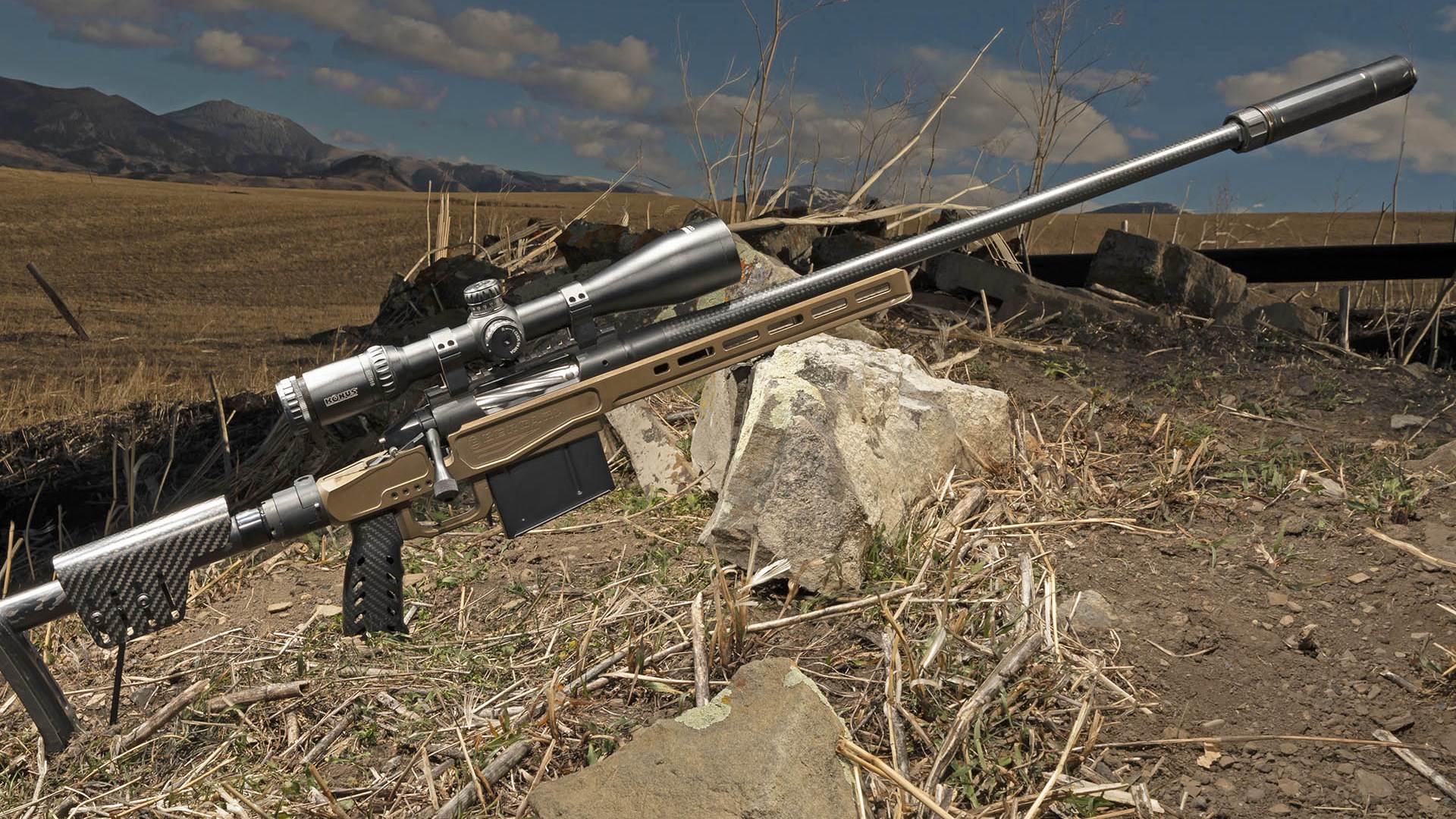
Demand by sportsmen who spend more time plodding through forests, dealing with deserts and crossing mountains may come as a surprise. Advances in technology have made many of them lighter, easier to maintain, affordable and even shorter. Designs for shotguns, once Unicorn scarce, are now common. Bulk and weight are no longer valid excuses for ignoring the muzzle-mounted devices.
Advantages Afield
The health benefits of suppressor are well documented here and elsewhere. An official statement from a professional medical organization in 2024 summarizes well. “The American Academy of Otolaryngology-Head and Neck Surgery endorses the use of firearm suppressors as an effective method of reducing the risk of hearing loss, especially when used in conjunction with conventional hearing protective measures.”
The damage is cumulative and creeps up slowly. As it does, it reduces the ability to savor an elk’s bugle or hear twigs snapping when a trophy buck moves in. It’s usually long after that when normal conversations become a challenge—particularly in crowded places—and a diagnosis is made. By then, unfortunately, a valuable field asset has suffered permanent damage.
There are other reasons hunters are buying suppressors, though. It’s conservation friendly. The most common headline is that fact that reduced report from a firearm minimizes the chances of spooking the animal being pursued. It also means less stress on the target’s herd, however, as well as non-hunted species relying on habitat nearby. Nesting sites and dens are either not abandoned or, when they are, returned to at a rate comparable to the same speed after detection of an approaching natural predator.
Suppressors are also neighbor friendly. Crops at an apple orchard in Northern Virginia were being decimated by deer a few years ago. The owner asked Aaron Carter, an American Hunter contributor who lives nearby, to fill the damage control permits. A suppressor was used to avoid stressing the nearby livestock.
He was invited back multiple years and probably still is. That’s one of the reasons his terminal ballistics reports are so authoritative here and on AmericanRifleman.org. Suppressors open doors, in some cases access to land where hunting is otherwise not allowed.
They also improve communication between fellow hunters, a critical safety factor. There’s also the matter of the modest mass a suppressor adds to a firearm. That reduces perceived recoil and muzzle rise which, when combined with reduced animal-disturbing report, increases follow-up speed, if required.
Hearing safety gets the headlines when it comes to suppressors, and rightfully so. Considering the other advantages, however, it’s obvious whey they’re becoming a hunting favorite.