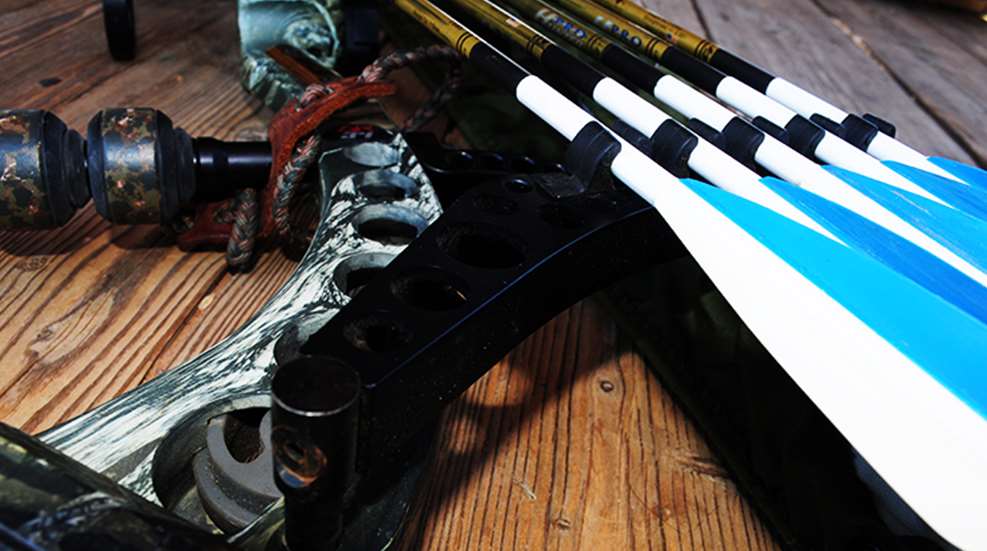
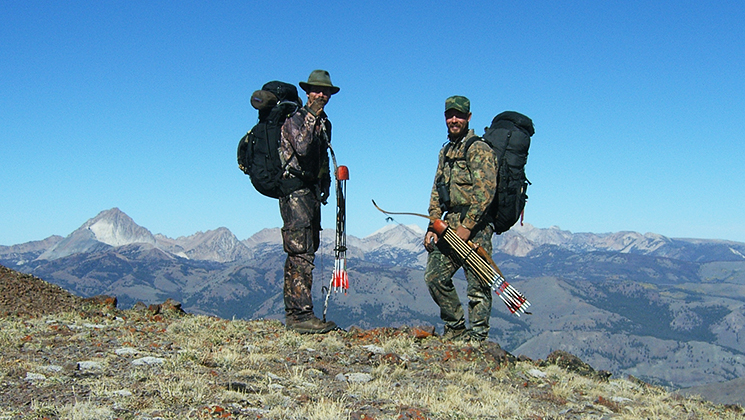
For the most part, I’m a traditional bowhunter at heart, and have done most of my hunting with simple stick and string. I’ve hunted with compound bows enough to know what works in the West, though, and have taken a few critters with them. Here’s an overview of the archery gear I think works best in the West.
Compound Bows
Keep it simple, and keep it rugged. I’ve guided many compound-shooting flatlanders across the rocky hills of the West, and if there’s one common denominator to the problems they’ve experienced, it’s equipment failure. I’ve watched quivers fall right off of bows at the moment of truth. I’ve seen arrows drop through prongs on a rest repeatedly while the hunter tried to shoot a muley buck. I’ve even had to use an old wooden cattle chute to re-string a hunter’s derailed bow during a hunt. Stuff happens, and the tougher and simpler your gear is the less likely you’ll have a problem with it.
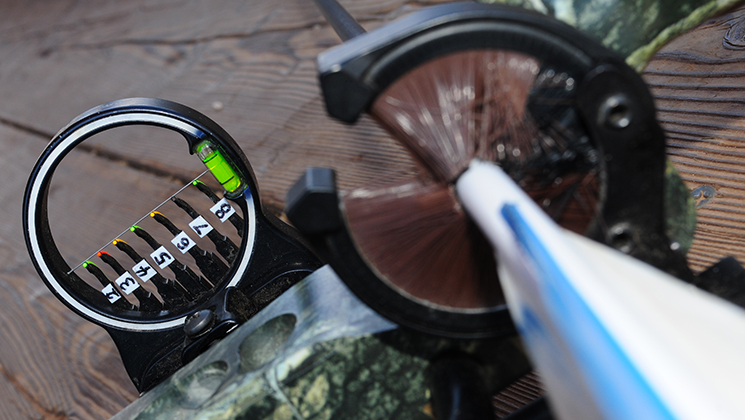
• Sights: I personally prefer multi-pin sights over adjustable ones. Shot opportunities can be dynamic, and while guiding I’ve seen multiple opportunities lost while a hunter tried to adjust his single-pin sight. Get a solid five or seven pin sight like the ones made by Spot Hogg, and learn to use it. You’ll have ready pins for any ethical shot opportunity that presents. I also recommend using a peep sight. Shots are often long in the West, and a large-aperture peep sight will add precision to your shooting. Once sighted in, you should bind it in place firmly, as I’ve seen peep sights move halfway through a hunt, leaving the hunter helpless until he makes a trip to the target butts.
• Rest: Use a full-capture rest. You’ll likely be crawling through brush and over rocks during the final moments of your stalk, and will want your arrow to stay in place, ready for the shot. I like Whisker-Biscuit rests, but there are many great drop-away rests with full-capture capability; use what you like.
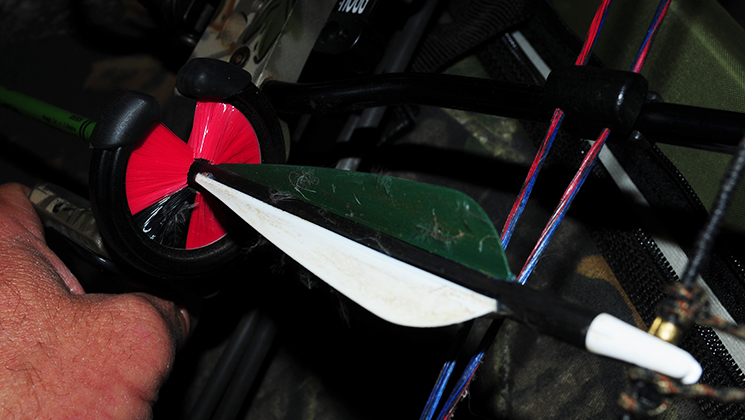
• Quiver: A solid, permanently mounted bow quiver is superior to anything else for Western hunting. Whether you’re spotting and stalking, still hunting or ambush hunting, your arrows will be ready and waiting.
• Silencers: Animals everywhere can jump the string, but during the longer shots common in the West, an animal has more time to get out of Dodge. Make sure your bow is as quiet as you; your favorite archery technician can make it so.
• Arrows & Broadheads: There are too many good arrows out there to name one as the best. I personally like Easton Axis or Gold Tip carbon arrows for their small diameter, toughness and penetration ability. My opinion is stronger on what make a suitable broadhead. I don’t approve of any expandable broadhead (though I’ve used them with good success), because I believe they’re more prone to failure. I like a cut-on-contact broadhead such as the G5 Outdoors Montec for big game. I also prefer a re-sharpenable head over replaceable-blade heads, again like the Montec.
TIP: Practice shooting your bow uphill. Many hunters are good at shooting downhill as a result of hunting from treestands. Not many are good at shooting steeply uphill. Not much Western mule deer and elk country is flat, so practice your ups and downs.
Traditional Bow
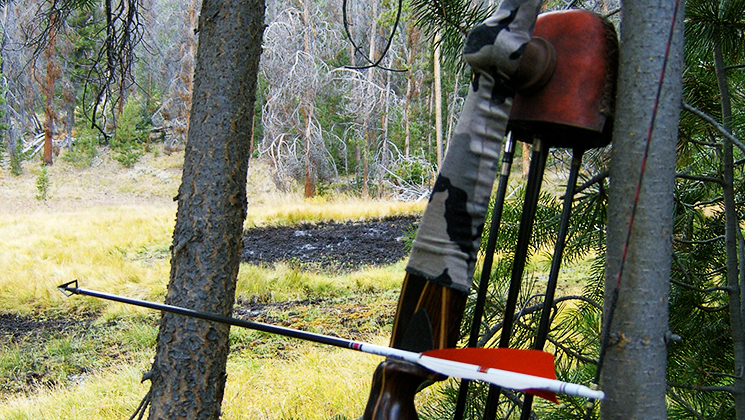
Where simplicity and durability are concerned, traditional bows are king. There are no cables to derail, no sights to knock awry and no rest to go out of tune. Just a simple bow, string, quiver and arrows. They’re also lighter, easier to carry and faster to get into action. Their weakness comes at extended ranges, which are common in the West. Be that as it may, a longbow or recurve is incredibly lethal in the right hands. I’ve personally made most of my archery harvests with a traditional bow.
• Quiver: Here again, for Western hunting I consider a bow-quiver superior to every other kind. There are bolt-on, strap-on and slide-on models that will fit virtually any kind of traditional bow. They’ll hold your arrows quiet and secure while weaving and crawling through the brush, ready for action anytime you need them. My favorite quivers are made by Selway Archery, and can be personalized to suit you and your bow perfectly.
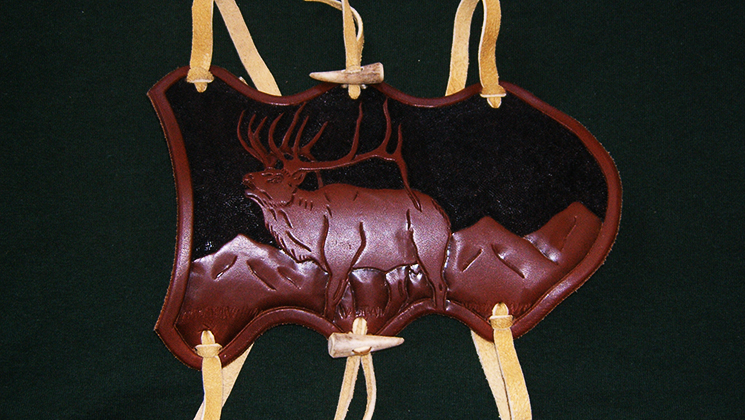
• Armguard: Even if you don’t ever slap your arm with your longbow’s string, you should wear an armguard while hunting. It will keep your clothing tight to your arm and out of interference with your string.
• Glove or Tab: Gloves are slightly more secure, a Tab will give you a few more fps in arrow speed. It’s entirely personal preference. I use a glove, but many of my best-shooting friends wear tabs. Just remember to bring a spare glove or tab along on your hunt in case you lose one.
• Arrows: There are tons of good arrows for traditional bowhunters available, but unless you are pretty hardcore and want to hunt with wood arrows, I’d recommend a small diameter carbon like the Easton Axis. They fly well, penetrate like a mother-in-law’s stare, and are tough as a Sherman tank. Use only feather fletching, as plastic vanes will cause flight problems when shooting off the shelf.
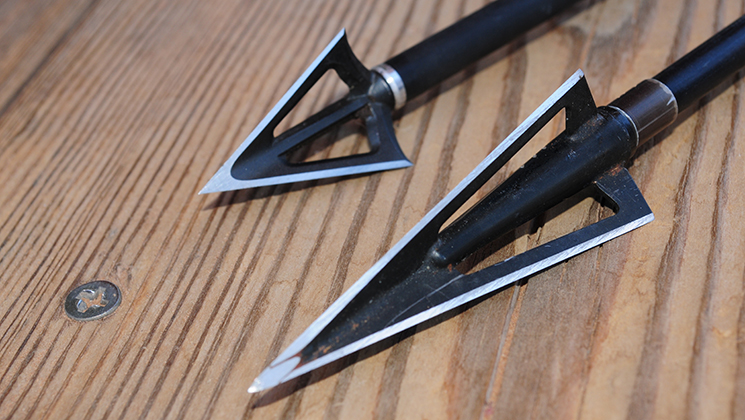
• Broadheads: The best heads for traditional bowhunting feature a cut-on-contact point, high length-to-width ratio and are re-sharpenable. I personally like the Woodsman broadheads designed by the Wensel Brothers. They fly very well, penetrate superbly, and have killed lots of stuff very dead for me.
• Skill & Wisdom: The most important gear you can take into the wild-lands of the West is skill and wisdom. Practice with your bow at every possible range and from standing, kneeling and sitting positions, as well as uphill and downhill. Learn what shots you can make and which ones you can’t, then remember your limitations when you’re in the field and abide by them. That way you won’t end up in a shivering heap on a sage-covered mountaintop, giggling uncontrollably.