September 1st is a holiday for hunters around the country, as it marks the opening of dove season. Despite generally warm temperatures around the United States, dove season reminds us that cooler weather and more days in the field are coming. Unfortunately, the dove opener also reminds us that we aren’t as proficient at wingshooting as we’d like to be.
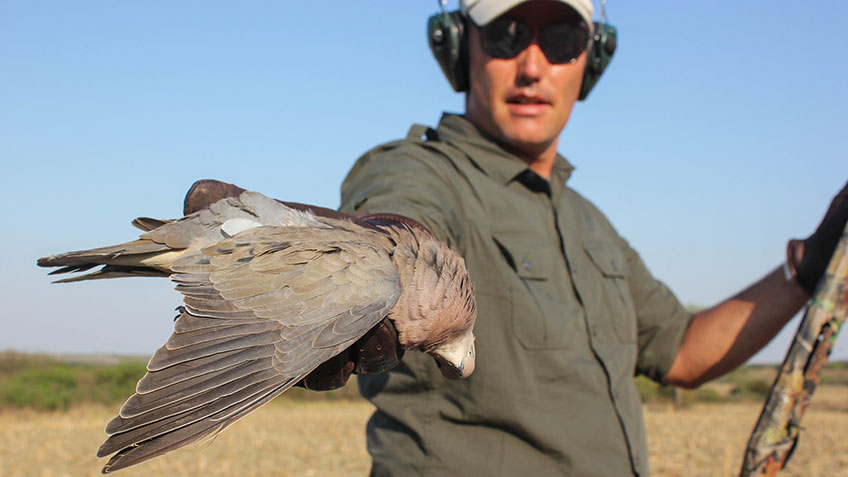
In some regards, dove hunting is a cruel way to start the season, for these slight, fast birds are anything but easy to shoot, and taking your first limit of the year can be a long and humbling process. But regardless of whether you’re hunting doves, ducks, quail, grouse, chukar or any of the wide variety of other winged game there are, there are some secrets that can help you bag more birds right now. Keep these seven things in mind next time you pick up your shotgun and you’ll see your wingshooting game improve immediately.
1. Let Your Hips and Back Do the Work
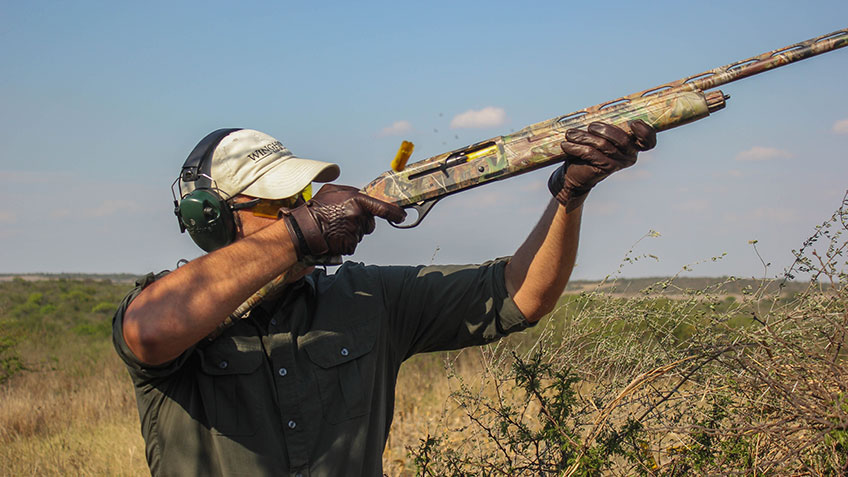
Your shotgun swing is the primary factor that leads to hits and misses, and a proper swing begins in the hips. During the shot, the upper body should remain fixed relative to the gun, your feet should serve as your anchor, and your hips should allow for lateral movement. Understanding this simple principle will help correct many of the mistakes you’re making when shooting crossing birds. To hit incoming or outgoing targets, your body should trace the path of the bird by flexing or extending your spine while maintaining a fixed position with your upper body and legs.
2. Improve Consistency
Inconsistencies in gun mount foils many shooters and makes them miss even before they ever pull the trigger. Practice proper gun mount over and over again, and be certain that you can quickly and naturally get into position for a shot. When you elevate your shoulders, your face should strike the same position on the stock every time. Very, very few shotgunners practice gun mount over and over as they should, and very few shooters mount their gun consistently with every shot—coincidence? Repeating the mounting process builds muscle memory and allows your brain to subconsciously get into position for the shot even when there’s a cackling rooster exploding underfoot.
3. Don't Be Overgunned or Overchoked
A skeet instructor that worked with me in college suggested I shoot a few rounds with his .410 over/under with 2½-inch target loads. I thought he was daft, but I realized I was only dropping a bird or two with that sub-gauge gun. Why? With virtually no recoil or muzzle rise, I was more target-focused and precise with my swing and trigger engagement. Dropping to a low-recoiling gun for practice or borrowing a sub-gauge gun for a hunt oftentimes remedies problems that go unnoticed with the punch and blast of larger guns. Don’t overchoke your gun, either; an improved cylinder choke should be effective (depending upon your field load) to 25 or even 35 yards, and most shots at wild birds occur around that distance. If birds are jumping early, a modified or even a skeet 2/light modified will generally get the job done.
4. Shoot One Bird at a Time
If you haven’t gotten lost in a large flock of birds, then you haven’t done much wingshooting or waterfowl hunting. My first experience with target overload came in Argentina where I seemed to be pinballing from one dove to the next as massive flocks of the birds passed overhead. Pick one target, offer it your full attention, and kill that bird before you move on to the next.
5. Take Your Time and Shoot Quickly
New shooters tend to be overwhelmed by fast-moving targets and shoot behind fast-moving birds. Eventually, most wingshooters try to compensate for this by rushing the shot in the hopes that a high-speed mount and trigger pull will compensate for sloppy mechanics and poor target focus. The best wingshooters, though, eventually realize that a smooth gun mount and proper trigger engagement is actually much faster (and much more successful) than a quick-draw slop shot. The best way to achieve this Zen-like state? Shoot a bunch of skeet, trap and sporting clays from a low gun position. Over time, you’ll realize that you have more time than you imagine—and that a cool hand and a smooth shot is far more effective than a mad scramble to the trigger.
6. Ditch the Bead
Two of the best wingshooters I know have intentionally pulled the beads from their shotguns. Why? Because switching focus between the bead and the bird results in a choppy swing and an inevitable miss. It’s easy to remain focused on the bird while maintaining a complete understanding of where the muzzle of your gun is pointed. To test this, focus on an object and pretend to mount your shotgun. You can maintain target-focus while remaining acutely aware of the position of your front hand; the same goes for the rib of your shotgun.
7. Rethink Your Lead
One of the questions frequently asked by new shooters is how far to lead a crossing bird or target—three feet? Four feet? These cheats can work on a skeet field where every station is exactly the same presentation, but they’re generally useless when you’re shooting wild birds. Instead, begin your swing, pass the target, and press the trigger while you keep the muzzle moving. When the lead feels right, be ready to press that trigger.