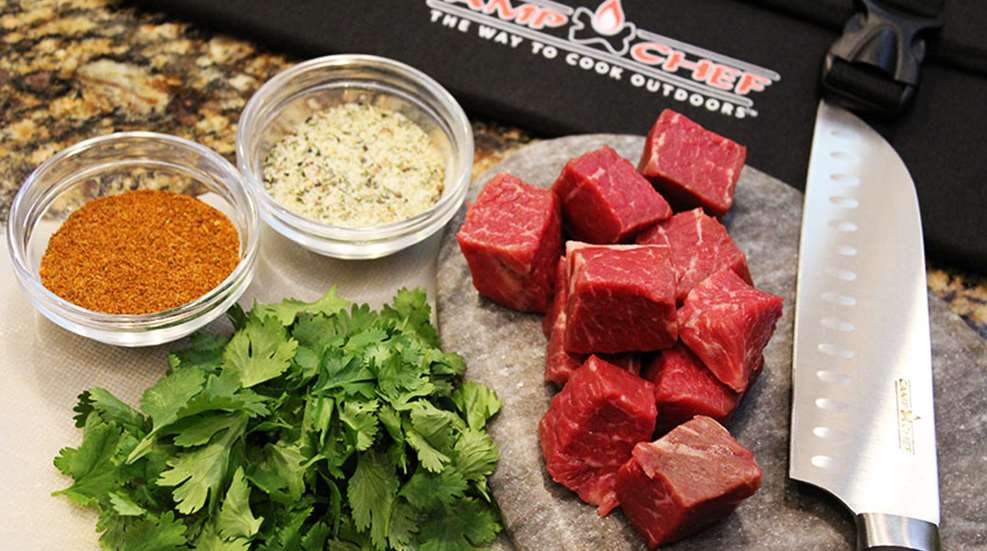
The rise of celebrity wild game chefs has challenged the long-held belief that wild game meat is simply not as good as beef, chicken or pork. Wild game is the original source of free-range, hormone-free protein, and when properly handled and prepared, prime cuts of deer, antelope or elk venison are just as delicious as store-bought beef (and a whole lot healthier). Why, then, are so many hunters still using the same tired wild game recipes? Why so much jerky and ground meat? Is venison suited for anything besides standing in for beef in chili and spaghetti recipes?
Simply put, very few hunters put the time and effort into preparing gourmet wild game dishes because they are still of the belief that venison is tough and gamey. And while I won’t disagree that wild game can be both tough and gamey, I’d also wager that the reason your venison tastes that way is because mistakes were made in the handling and preparation of the meat somewhere between the field and the table.
Brooks Hansen serves as the director of communications and public relations at Camp Chef, which supplies professional and amateur culinary experts with grills and cooking accessories they need, whether cooking on the back porch or in the backcountry. As an accomplished hunter and cook, Hansen has outlined his six secrets to making wild game taste delicious.
1. Proper Field Handling is Key
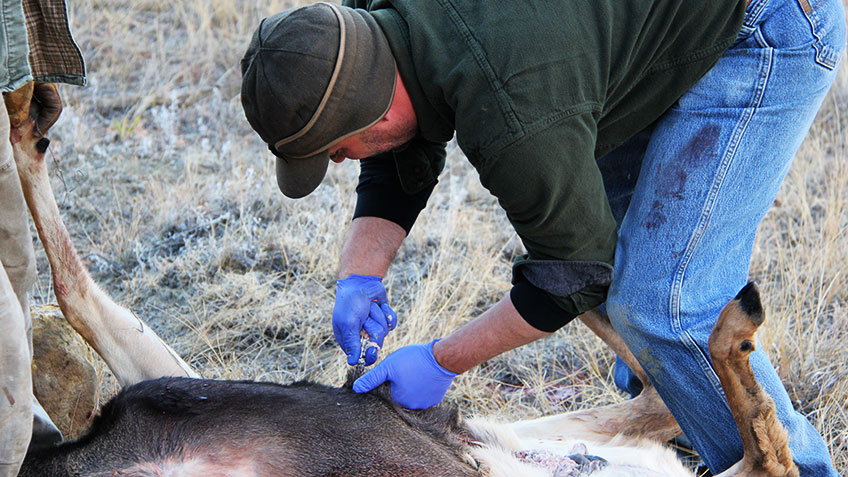
This may seem axiomatic, but improper handling of venison in the field dooms meat to taste bad. “Field dress the meat quickly and get it cooled,” Hansen says, “and be very careful not to contaminate the meat.”
Even when the external temperature is relatively low—say 45 or 50 degrees—failing to cool the meat can cause it to taste bad. By field dressing your animal and hanging it in the shade you’ll drop the internal temperature and reduce the odds of spoilage greatly. Also, take the time when processing to be sure you don’t contaminate the meat internally or externally. Internal contamination occurs when gut materials are exposed to the meat, so be certain to clean the body cavity thoroughly, and work to keep the stomach and intestines intact before removal (though this may not be possible with a gut-shot animal). External contaminants include dirt, plant matter and anything else that could possibly ruin the flavor of the meat. Using a tarp (or the animal’s hide if you’re in the field) or hanging the animal to skin reduces the odds of external contamination.
2. Don't Be Afraid to Dry-Age
Odds are you’ve heard of dry-aged beef, but you may not know how the process works—or what dry-aging actually does to meat.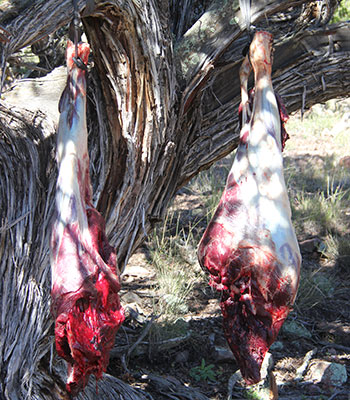
“Dry-aging meat adds flavor and improves texture as the muscle tissues break down,” Hansen says. This process is a result of naturally-occurring enzyme activity in the muscle fibers. As opposed to wet-aging (usually in plastic, the simplest and most affordable method), dry-aged meat will lose some of its weight through dehydration which increases its flavor. It’ll also be more tender.
Most meat is dry-aged in a meat locker, or if the external temperatures are correct, outside. The key is to keep the temperature below 40 degrees. Your refrigerator will work perfectly well for dry-aging your meat, but you need to use a thermometer to ensure that the temperature is indeed below 40. Wrap the meat loosely in cheesecloth to protect against contaminants. After dry-aging, the meat should be eaten or frozen.
3. Don't Overcook
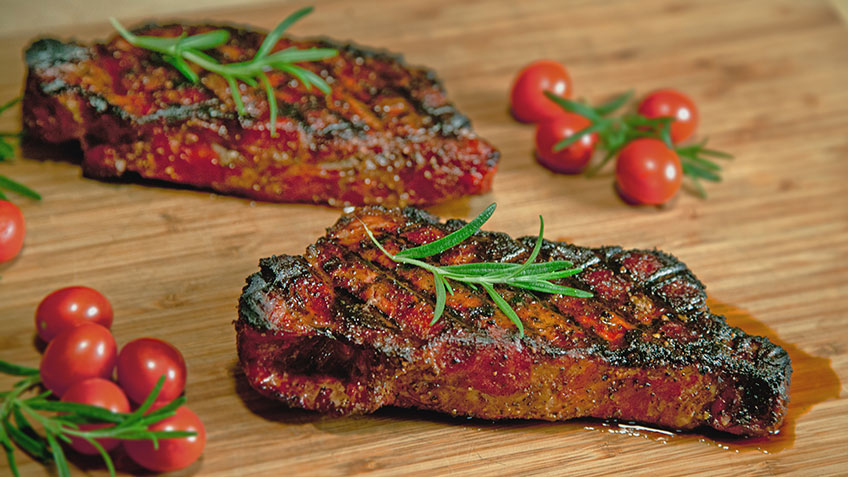
“A lot of the ‘gamey’ flavor that we get from wild game is actually a result of overcooking,” Hansen says. “Wild game meat should never be cooked too long, it ruins the flavor.”
Cooking meat without a thermometer has been compared to driving a car without a speedometer, and I think that’s a pretty apt statement. Unless you’re a very accomplished chef using visual cues to determine when meat is done is not the best option. Rare beef or venison steaks are classified by having an internal temperature of 120 to 130 degrees, and medium-rare is 130 to 135 degrees. A meat thermometer allows you to hit the proper number without going overboard. If you cook wild game to excessively high temperatures, you’ll dry out the meat and add unpleasant flavor, so keep a close watch on the temperature.
4. Slow and Low vs. Fast and Hot
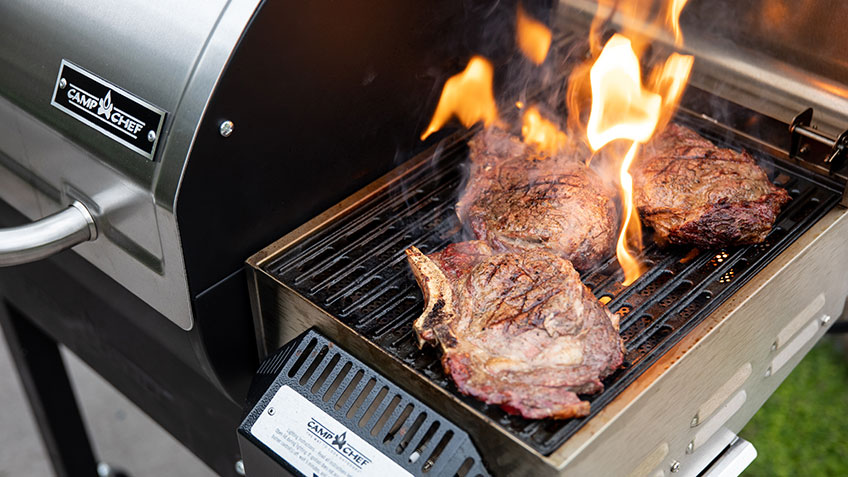
“Not all cuts of meat should be cooked the same way,” Hansen says. “Roasts and shanks should be cooked slowly on low heat. Backstraps, tenderloins and other prime cuts should be cooked quickly on high heat.”
The interior of a steak is heated by the exterior, and the exterior of the steak is cooked by your heat source. The goal is to achieve a seared, crisp exterior and a juicy, flavorful, evenly-cooked exterior. The best way to do this is to reverse sear the steak. Camp Chef offers a step-by-step recipe on their website, but essentially, you’ll begin by preheating a pellet grill to 225 degrees, then place the cut of meat on the grill until the internal temperature reaches 10 to 15 degrees below your desired finish temperature (medium-rare steak is 130 to 135 degrees, so 115 to 125 degrees is good). Once the meat reaches that temperature, you can then sear the meat for about 45 seconds on each side on high heat (Camp Chef’s Sear Box works great) to achieve that perfect exterior crispiness without drying out the center of the meat. Reverse searing is one of the best ways to achieve optimal results by combining the best qualities of both slow and fast cooking.
5. Trim the Meat Properly
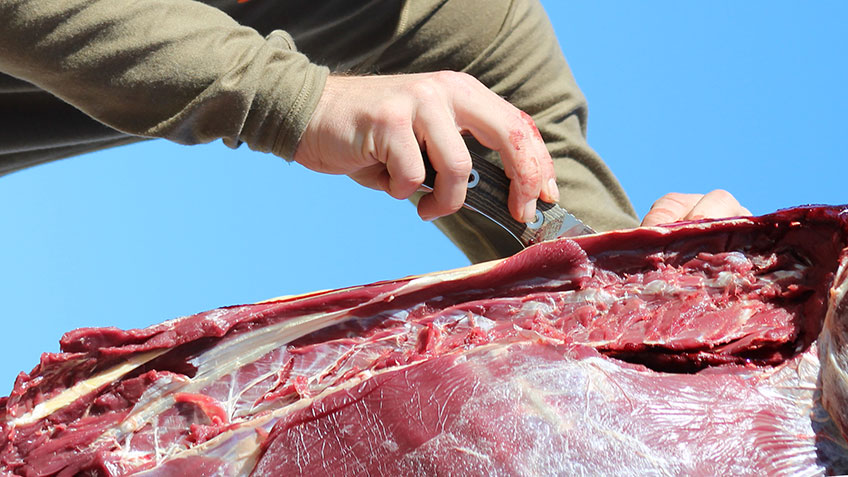
Most wild game will require trimming of damaged tissue. Bullet construction, caliber, range, shot placement and a variety of other factors effect how much meat you’ll have to trim away when you’re prepping it, but needless to say, you’ll want to remove any damaged meat as you trim. You’ll also have to trim away a thick layer of dried crust after dry aging. As meat ages, it forms this hard exterior—a natural part of the aging process—but it still needs to be cut away before cooking.
Regardless of shot placement or your aging process, you’ll have to carve away the silver skin. Silver skin is connective tissue that’s attached to ribs, roasts and other muscle tissue in the body, and it absolutely needs to go. Why? Because silver skin does not break down when heated. It retains a chewy, leathery texture (sound familiar?) and it can ruin a prime cut of meat. In most cases, you can use a sharp, small knife, such as a paring knife, to separate the silver skin from the muscle, then peel the two apart.
6. Don't Be Afraid to Experiment
Many hunters prepare their meat in the same manner they always have—even if they aren’t particularly enamored with the results. C’mon, live a little! It’s time to begin pushing the boundaries of venison cuisine.
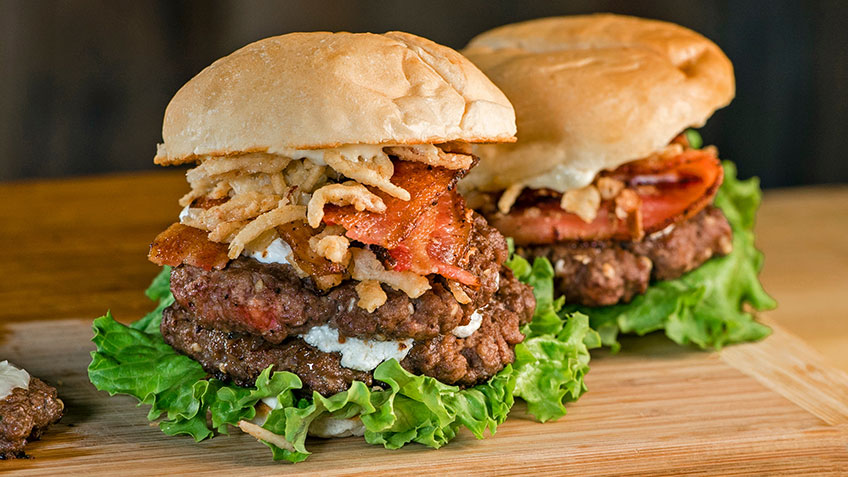
The good news is that much of the work has already been done for you, so if you have access to the internet, you’ve got the world’s most expansive wild game cookbook at your fingertips. Camp Chef’s website offers a long list of recipes that will help up your venison game, and many of them are far from traditional. Some of my favorites include their delicious Dutch Oven Super Nachos and the superb Bacon and Goat Cheese Aioli Burger (pictured above), both of which will change the way you think about wild game cuisine.
For a list of additional delicious wild game recipes, click here.