The Burden of Mass
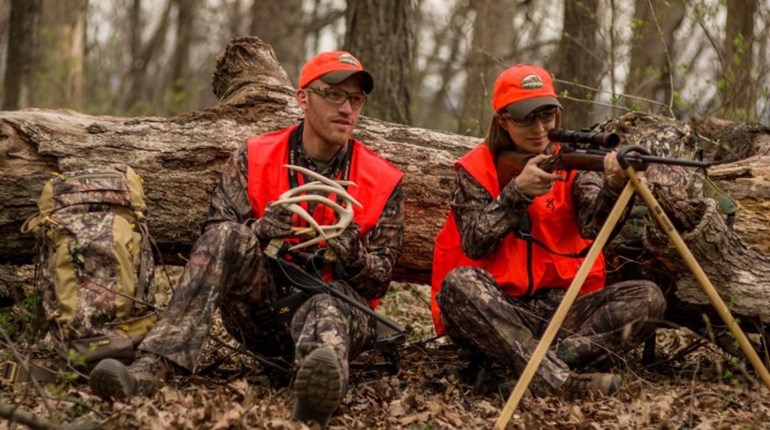
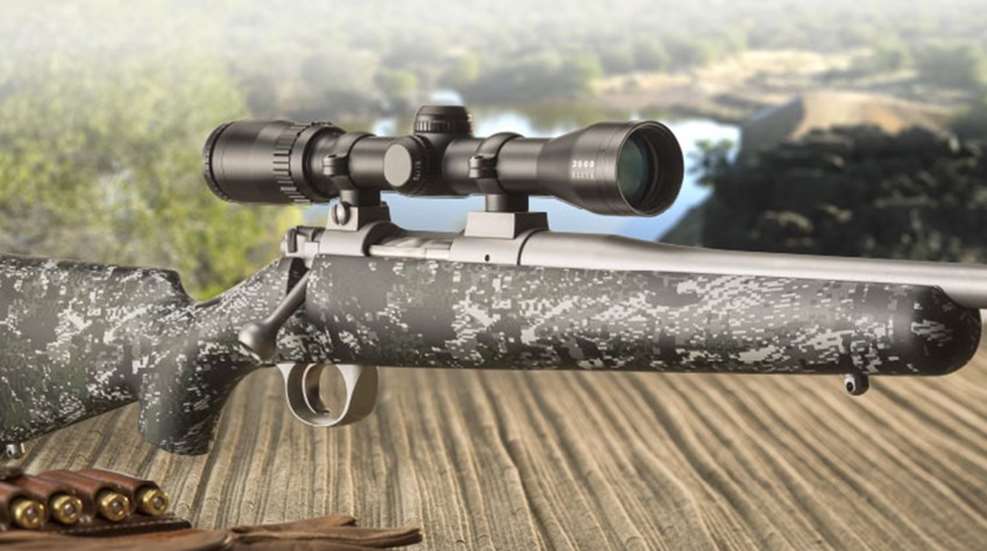
It doesn’t matter what you are doing, if you are doing it in the mountains then “weight” will probably have an influence on your success or failure. This includes your deer rifle. When choosing a rifle for the mountains, physical weight should be at the top of the list of features to consider.
My neighbor D. Browning, who is an accomplished mountain buck hunter, recently told me that he likes his rifles to possess a starting weight of under 7 lbs. before adding optics. He has had tremendous success over the years using rifles in that weight range so I can’t argue with him. However, that may or may not be the best for you.
When it comes to the ideal weight for a mountain deer rifle there are several variables to consider. These include the individual’s body size, the terrain’s level of ruggedness, your hunting style and, ultimately, personal preference.
Obviously, a lighter rifle is going to allow you to move faster, expend less effort and cover more ground in less time—all things that can positively influence your chances. However, choosing a lightweight rifle for mountain bucks isn’t without its drawbacks. You should also consider the weight of something else. The trigger.
Trigger Weight
Nothing will ruin your shooting accuracy like a heavy trigger. The added pressure and pull needed to engage it will have a negative effect on your shot. This is true even with a heavy rifle or one with average weight specs. When you throw a lightweight model for mountain whitetails into the mix the effects can be even more dramatic.
Consequently, when choosing a lightweight mountain rifle it is also best to find one with a light, crisp trigger. Doing so will allow you to fire the shot without worrying about pulling off of the target due to a heavy pull. “A light, crisp and adjustable trigger is important because a light rifle is not as easy to steady or stay on target,” Browning said.
This is true because, often times, a shot in the mountains can happen very quickly, leaving you little time to find a steady shooting rest—like a nearby tree. “Deer are often times jumped from thickets and make a mad dash for safety; leaving little time for the shooter to compose themselves.” Browning said.
Consequently, a rifle that requires only light pressure to fire will remain on target much better than a rifle with the opposite characteristics.
Quality Ammo
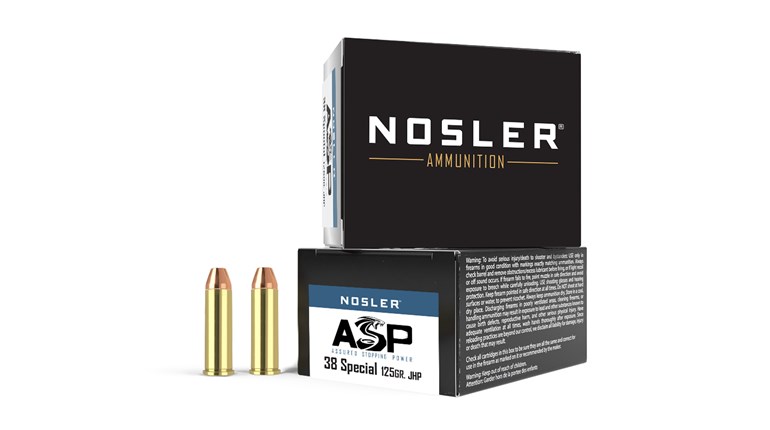
After choosing the perfect mountain rifle, don’t ruin your efforts by neglecting to select the best ammunition. What is the best ammunition? Good question. The only thing that can answer that question for you is your gun.
Some hunters will tell you that there's no disputing the superiority of hand-loaded cartridges, but you can still find quality ammunition from a box. The only way to determine which brand is best is to experiment and try different ones. I have seen quality ammunition shoot poorly out of certain rifles and lesser recognized ammo shoot very well out of others. It really just depends on the rifle. Again, your gun will tell you what it likes if you let it.
Conclusion
While much can be written on various caliber choices and which is best, it really isn’t the most important aspect of a mountain buck rifle. After all, it doesn’t take much lead to dispatch a whitetail. My boys routinely do it with a .243.
Pay more attention to things like physical weight, trigger pull and even “sighting in” procedure, because shot opportunities can run the gamut in the mountains. Put all of this together and you will be well on your way to finding the perfect mountain buck rifle.