Guided hunting horror stories. If you have been at it long enough, you’ve heard about them from friends. Don’t get me wrong, some of the very best hunts I have ever been on were fully outfitted and guided. But man oh man, have I been on some nightmares! Some examples?
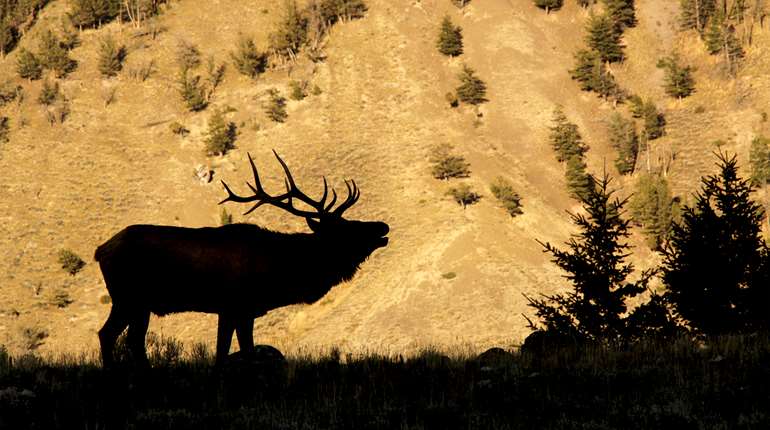
There was the time I got suckered into going elk hunting in Mongolia. Yes, Mongolia, where they have Maral stag that are identical in looks, size and habitats to Rocky Mountain elk. The hunt master was a U.S.-based outfitter with a good reputation and even better line of smack. “We’ll eat great, the equipment is in good repair, the government is behind us all the way.” Transportation in country was a nightmare, we ate boiled cabbage and mutton three times a day and the outfitter made the government so mad with his weaseling they ended up kicking him out of the country. Oh, I killed a bull—but the three-week trip was an absolute nightmare.
Then there was the spring grizzly bear hunt I made to coastal British Columbia many moons ago. The outfitter sounded so smooth at the sport show. “Bears everywhere, we cruise the coastline in small boats or drive old logging roads, he said. “You’ll see tons of bears and my guide is top-notch.” His top-notch guide turned out to be a burned out old logger with a bad leg and even worse attitude. One day as we headed out for an evening boat ride I noticed the guide forgot his binoculars—but the holster belt he wore was filled with a 6-pack of Kokanee ale. In 10 days I never saw a single grizzly.
My first trip to Sonora, Mexico occurred back in the mid-1980s, before all the hoopla over the big bucks that occasionally come out of there. The booking agent accompanied me, and we were met by the outfitter in Hermosillo. I was there 10 days and I do not believe he sobered up the entire time. We stayed in an old, dilapidated ranch house with no running water or toilets and holes in the roof. If you like tortillas and beans, we ate great—but the rabbit meat I collected daily was a welcome addition. We hunted with cowboys for guides, which proved to be a bonus because these guys knew the ranch and where the deer liked to hang out. I never got a shot in seven days, but one of my buddies killed a giant non-typical buck. That’s why I kept hunting Sonora—but never again with Senor Tequila.
Don’t think nightmare hunts only occur outside the U.S. borders. Far from it! I can’t tell you how many absolutely horrible whitetail hunts I have been on all over America, from Colorado to the Carolinas, Minnesota to Mississippi. Few things are more frustrating for a bowhunter than to be sent to a “virgin” treestand and then, as dawn gently breaks, look down and see candy wrappers, cigarette butts and empty doe pee bottles scattered about. One time in Illinois my cameraman and I sat in such a stand and listened to a coon hound howling his head off. Finally, Walter had enough and got down, where he discovered the dog stuck in a hole at the base of a big oak abut 75 yards away. We got the dog out but he thought he was our new best friend and lay down at the base of our tree. Turns out the hound belonged to the outfitter’s brother, who had permission to run his dogs on our hunting property at night.
Few things are more frustrating than shooting an animal you didn’t really want. Many times I have seen or heard tales from clients who had told the outfitter and their guide what their baseline was in terms of trophy quality. If they didn’t see one that big all week, fine, they were good with that. Then, a deer or elk is running and the guide is yelling, “Shoot! Shoot! Shoot!!” and when they walk over to the animal after the hunter has made a super shot they find it is a dink. Of course, once the animal is dead the tag gets punched. Moral of the story? Never, ever let someone talk you into shooting if you are not sure, because pulling the trigger is up to you and you alone.
5 tips to avoid getting ripped off:
1) When purchasing a guided hunt it is caveat emptor—let the buyer beware. As President Reagan once said about the old Soviet Union, “Trust, but verify.”
2) Know that when you begin to hunt outside U.S. borders, you essentially have no recourse should a hunt become a nightmare. Ever tried suing someone in Europe, Asia, or even Canada or Mexico? Fugedaboudit.
3) Ask about all costs up front. If the outfitter wants, say, $4,500 for an African plains-game hunt, that’s just the beginning. Ask him about any additional expenses like licenses and tags, air charters (which can cost a lot!), airport transfers, fuel surcharges, etc. What’s it cost to get the capes and horns from the bush back to the city into which your commercial flight back home will depart? What’s the cost to have the trophies prepared so they pass USDA inspections, and shipped back to the states? How about staff and guide tips and gratuities? Nobody likes to be sucker-punched with unexpected expenses.
4) Have realistic expectations. If a wilderness elk outfitter tells you that he has a 70 percent success rate that means that 30 percent of his clients do not score. That could be you. Remember that in fair chase hunting there are no guarantees—you are just playing the odds.
5) Realistic expectations, part 2: Everyone wants to shoot a record-book buck, bull, bear or ram, but few ever do. If the outfitter tells you his average whitetail is a 140 and you pass one in that class by the first day, do not be surprised nor complain about it if you don’t see one better.