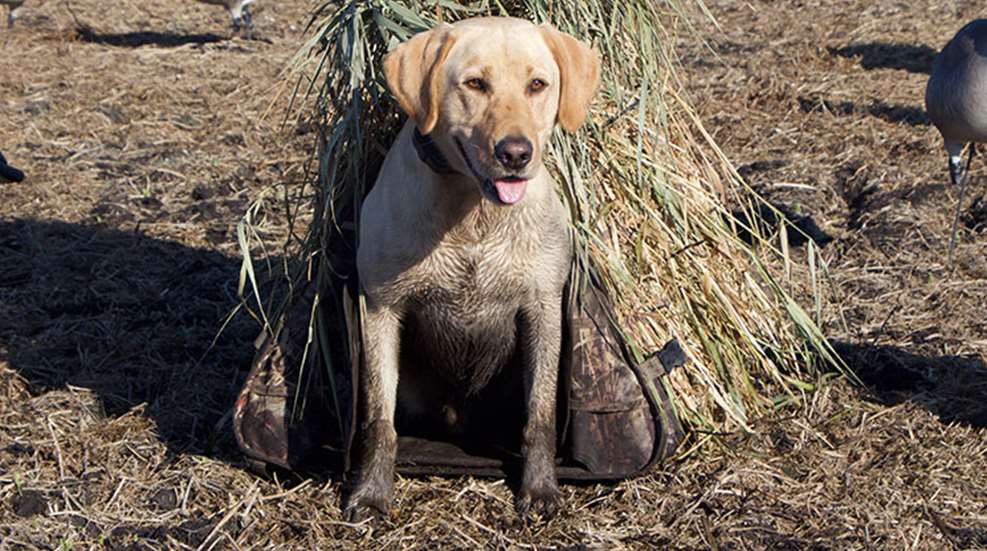
Every time I see a bird hunter or waterfowler afield without a dog, I’m puzzled. Whenever I learn those same hunters have a yapping, decorative yard dog at home, I’m dumbfounded.
Guys and gals, if you’re going to put up with the expense and inconvenience of caring for a dog, why not care for one that can return the favor? One that can earn it’s keep? Working dogs are not just useful dogs, but happy, satisfied dogs. Fulfilled dogs. Dogs with a purpose in life.
Think about it. Canines evolved to hunt. Nature made them hunters. Sure, we’ve since bred for traits like guarding, herding, tail wagging and face licking, but hunting is Dog’s default log-in. Reset any dog’s computer and it goes hunting. Every breed from chihuahuas to great Danes has been caught chasing deer.
Another behavior I can’t understand are the dog-loving, anti-hunting vegans I see in city parks, reining in lap dogs that are leaping and plunging to get at those tasty squirrels and ducks. Talk about cruelty to animals!
So let’s agree to do ourselves and dogs a big favor by making them hunting dogs. This will be easy because there are dogs bred to hunt everything from rats to elk. No matter what you hunt, you’ll find a dog that can hunt with you. It may be limited to tracking only, in the case of big game, but that’s an invaluable trait that can prevent massive waste of venison. Your dog might never hunt down anything but shed antlers, but that’s a valuable job, too. It gets you outdoors in the offseason, educates you about deer and elk, makes you a more observant woodsman, exercises your dog and yields antlers that sell for pretty good money.
If you already own a house dog, lap or yard dog, don’t despair. With proper training it can learn to sniff out antlers, track wounded deer, flush birds from thickets where larger dogs can’t go or merely chase bunnies past your gun. It’s all good. You just have to think outside the box and figure out how to direct your dog toward appreciating its more primitive instincts.
Now for the best news: If you don’t currently own a dog, or want to procure another one, you get to pick your winner. This can be as intoxicating as a search for a potential spouse. Ah, the thrill of the chase. You not only get to pick a category (flusher, pointer, retriever, scent trailer) but a specific breed within that category. And the search is only beginning. With your favorite breed selected, you start looking for the best bloodlines, and that can take you across the Internet and even the world. A bird hunting buddy of mine recently imported a Braque Francais pointing pup from the land of oo-la-la. We’ll soon see if it can handle the career of a rough-and-tumble Rocky Mountain hunting dog.
But I digress. Yours is the dog we need to find. Here’s how to narrow your search:
1. Prioritize your hunting.
Do you hunt waterfowl, upland birds, cottontails, raccoons, feral hogs or big game? Or a mix of many?
• If you only hunt waterfowl, you’re looking for a water-loving Labrador, Chesapeake Bay retriever, curly coated retriever, golden retriever or standard poodle.
• If you only hunt upland birds like quail and pheasant, you could use a pointing breed or a flushing breed.
Pure pointing dogs include English setters, Gordon setters, Irish setters, English pointers. They are perfect for covering a lot of ground and finding birds. Some retrieve fairly well, but rarely as well as a retriever or flusher.
Flushing breeds include English springer spaniels, cocker spaniels, Clumber spaniels, Boykin spaniels and American water spaniels. Many retrievers can be easily trained as flushers, too.
• If you hunt waterfowl and upland birds, a versatile breed may be perfect. These dogs have been bred to point, flush on command, trail and retrieve from land or water. Consider German shorthair and wirehair, pudelpointer, Vizsla, Brittany, Weimaraner.
• If you specialize in hunting raccoons, black bears, cottontails or bobcats, you’ll want a scenting/trailing hound. There are several breeds. Beagles are rabbit specialists.
2. Choose your size.
Most hunting dogs weigh from 20 pounds to 80, but weights vary widely within breeds, too. If, like most Americans these days, you’re living in suburbia, you may want a smaller dog. Little dogs can do just about everything large breeds can except perhaps retrieve large birds like geese.
3. Choose your sex.
If not neutered early, males will scent-mark and are more likely to fight other dogs, but they are often tougher afield than females. Un-spayed females will drive you nuts when in heat twice a year.
4. Consider house dog behavior.
Some breeds are infamous for high energy. Apartment life might not be best for them. But others adapt well to a sedentary life. Exercise is important to all hunting breeds, but the right pick won’t require a daily 20-mile run. Setters, springers and even various hounds can become regular throw rugs around the house.
5. Choose a breeder.
This may be the most important part. You’re looking for bloodlines that favor traits you want like calm, biddable, easily trained, water-loving, gentle, hard-charging, natural retrieve, excellent nose, etc. Draw up your list and query breeders. Check references, too, and observe the sire and dam if possible.
6. Finally, push the envelope.
Jack Russell terriers have been taught to hunt everything. Dachshunds can be tenacious retrievers. Don’t be afraid to experiment with any dog you have or might want. If it barks, it hunts.