Predict Your Dog's Genetic Future

by
posted on December 9, 2013
** When you buy products through the links on our site, we may earn a commission that supports NRA's mission to protect, preserve and defend the Second Amendment. **
dogs_ah2015_fs.jpg (47)

Certain dog breeds are more prone to ailments than others, but none are immune to genetic disorders. Bad hips, bad eyes, cancers—many sporting lines are effected. In decades past, little could be done aside from selectively breeding dogs that—to their owners' knowledge—didn't carry the undesirable traits. More recently genetic disorders could be screened for, one at a time (and at a heavy financial cost).

However, the full sequencing of the canine genome in 2006 has opened up a host of new preventatives. A prime example is the work being done by Paw Print Genetics (PPG). Last spring PPG researchers began offering breed-specific genetic "panels" that predict the odds a given dog will experience a variety of genetic disorders.

Why is this important? It gives breeders peace of mind in ensuring (and perhaps improving) the health of their lines. Puppy buyers can screen prior to purchase. And current dog owners are provided the percentage risk that their dogs will develop certain diseases.

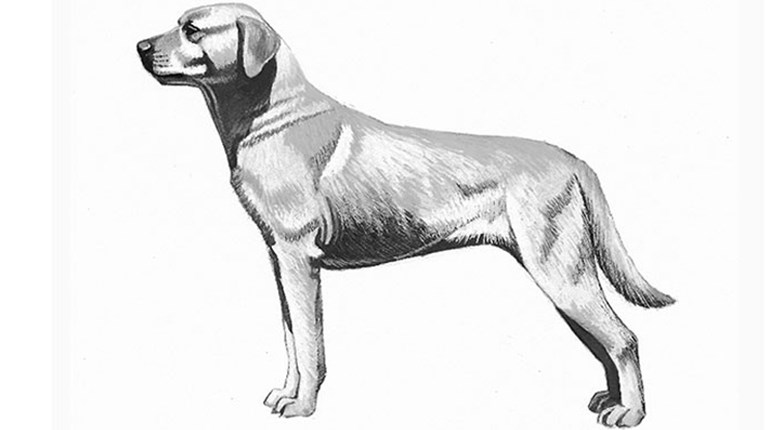
To test your dog, go to the PPG website, scroll down to "Find a Test" and select your dog's breed. A genetic panel of diseases known to affect the breed then comes up. For instance, the Labrador retriever panel contains 12 screenings, including one of particular concern to hunters: exercise-induced collapse. If you don't want to buy all the screenings, you can remove them. Total panel cost for the Labrador is $350—about what a single screening used to run.

Then just use the cotton swabs provided by PPG to collect cells from the inside of your dog's cheek and return by mail. Dogs of any age can be tested. To test a puppy before it's weaned, just wait two hours after feeding to avoid inadvertently collecting its mother's DNA.

This is an important breakthrough that I hope will positively impact the lives of our animals.

Latest

Nomad 30 Lede 2
Nomad 30 Lede 2

#SundayGunday: Dead Air Nomad 30

This week on #SundayGunday, we’re checking out the Dead Air Nomad 30, the 30-caliber hunting stalwart of Dead Air’s suppressor lineup. The stainless-steel can tips the scales at less than a pound, despite being rated for calibers up to .300 Norma Magnum, and 4400 ft.-lbs. of energy. For more on the Nomad 30, check out this exclusive video.


Eye on the Future of Hunting and Conservation

The dedication to passing on the enthusiasm and understanding of hunting’s role shows in the number of courses, seminars and special hunts already on the calendar with various state game and fish departments, and conservation organizations. Here are a few that crossed my desk just last week, but there are dozens of others—likely a few near you.

Funding Boost for Migration Corridors

On Feb. 11 Secretary of the Interior Doug Burgrum announced nearly $8 million would be added to the Western Big Game Seasonal Habitat and Migration Corridors grant program’s base funding of $2 million this year.

Winter: Prime Time for Small Game Hunting

Chasing rabbits and squirrels with friends is the perfect way to pass the cold winter days.

Kovix Suppressors Moves Headquarters to Montana

Kovix, a titanium suppressor manufacturer, has announced the company had relocated headquarters to Kalispell, Mont.

Proposed Oregon Petition Would Ban All Hunting

A petition to ban all hunting in Oregon is getting close to making this year’s ballot. Proponents of the PEACE Act (an acronym for “People for the Elimination of Animal Cruelty Exemptions Act”) are reporting they have amassed about 100,000 of the 117,173 signatures needed for the petition to make the November ballot.

Interests


Get the best of American Hunter delivered to your inbox.