PETA Kills More Animals Than NJ Bear Hunters

by
posted on February 28, 2012
** When you buy products through the links on our site, we may earn a commission that supports NRA's mission to protect, preserve and defend the Second Amendment. **
bs_2015_fs.jpg (3)

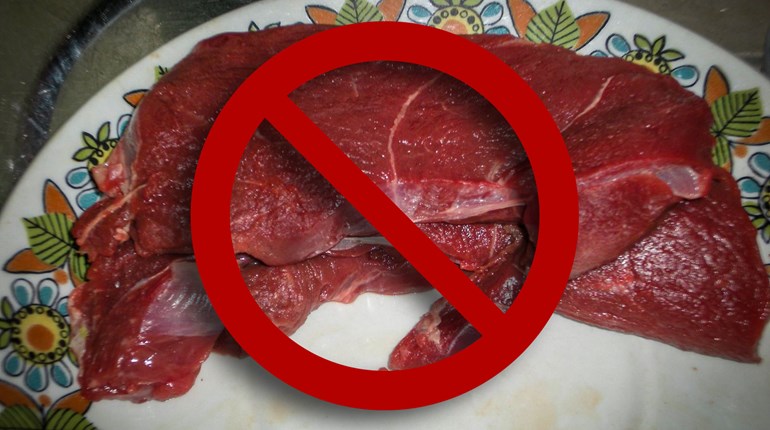
The Headline: According to the Daily Caller, the Center for Consumer Freedom published a Virginia report tallying the number of dogs and cats killed by the “animal lovers” at PETA last year. According to the report, when PETA folks weren’t getting naked in public places and throwing red paint on fur coat owners, they killed a bumper crop of animals.

The Body Count: PETA killed a reported 1,911 dogs and cats during 2011 which brings their tally to 27,000 since 1998. I have to wonder whether the number of pets killed was somehow a tribute to the 100-year anniversary of the Colt 1911 pistol, but I don’t want to get sidetracked.

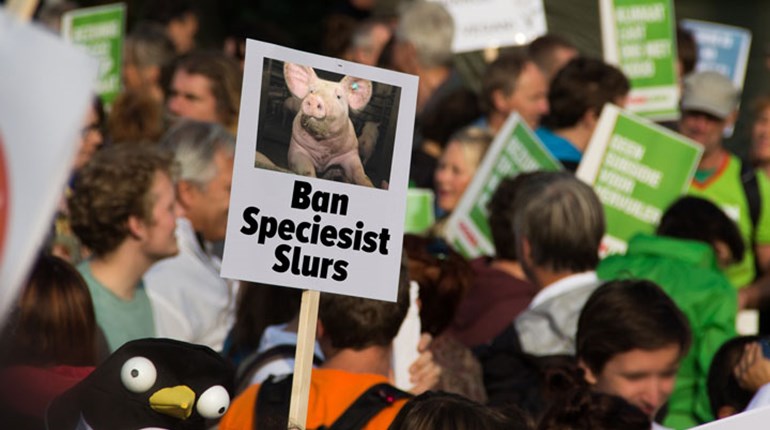
The Hypocrisy: PETA launched a campaign to stop the New Jersey bear hunt, calling it a “slaughter." It encouraged animal lovers to contact Governor Christie with promises to boycott the state if he “sanctioned the bear slaughter."

The Hard Numbers: According to the NJ Department of Environmental Protection, hunters killed 469 black bears during the 2011 season, less than half the number of animals that got the Kevorkian treatment at PETA HQ in Norfolk, VA.

The Confusing Position: According to PETA’s website, “Animal rights means that animals deserve certain kinds of consideration—consideration of what is in their best interests, regardless of whether they are "cute," useful to humans, or an endangered species…” I take that to mean that no animal is more or less deserving of life than any other, so why is killing 1,911 dogs and cats a merciful act while the sustainable fair chase hunting of 469 bears a “slaughter?"

The Elitist Ethic: The key phrase in PETA’s policy statement is “best interest." The dog-killers at PETA know that they’re acting in the animals’ “best interest” when they kill them, but we bumpkins who are slaughtering those poor bears don’t know what’s in their best interest. Apparently the biologists at the NJ DEP don’t either.

Latest

Herman Shooting SA 35 4 Inch

#SundayGunday: Springfield Armory SA-35 4"

Springfield's SA-35 4” maintains the “wood and steel” vibes of yesteryear, with a blued finish on the gun’s carbon steel, and checkered walnut grips. Curious about this updated version of a true classic? Check out this exclusive edition of #SundayGunday.

Will Grizzly Bear Management be Returned to the States?

When the grizzly bear in the Lower 48 was given Endangered Species Act (ESA) protection as a threatened species in 1975, it was supposed to be a temporary protection that would be lifted once populations met or exceeded specific goals. Now more than a half century later and with grizzly populations that have spread and met or far surpassed the goals set in 1975.

New for 2026: Leupold LCO Pro F2 Red-Dot

Leupold & Stevens, Inc. has launched its LCO Pro F2 red-dot sight, combining optical clarity, reliability and purpose-built features in a full-sized red dot.

Member's Best 2026

I am heartened by this year’s entries. In addition to fabulous photographs, almost all of you delivered exceptional narratives of your hunts. We used your very words wherever possible because it’s an honor to see you all rise to such an occasion as sharing a special moment with your fellow hunters. You now know a little bit about what drives an outdoor writer. —J. Scott Olmsted, Editor in Chief


New for 2026: Vortex Crossfire II

Available with either a red or green dot, the Vortex Crossfire II Red Dot lineup brings added function to the Crossfire series.

USFWS Proposes New Grizzly Bear Management Rule

On July 17 the U.S. Fish and Wildlife Service (USFWS) published a proposed rulemaking change on the Federal Register that, if approved, would allow western states to better manage their grizzly bear population. Despite their burgeoning population the big bruins remain on the “endangered” list under the Endangered Species Act (ESA), a fact that has paralyzed regional conservation efforts, impacted other wildlife populations and dramatically increased human/bear conflicts.

Interests


Get the best of American Hunter delivered to your inbox.