No one thinks this is sane. Nevertheless, a few find it addictive. After deer season is long over and icicles are hanging over the front door and winter is deep and cold it is time to go predator hunting in the blackest hours. This is part of the cycle of the sportsmen's seasons—I don't mean spring, summer, fall … but the seasons for turkey, dove, upland, duck, deer … . On some of these dark, cold, starry nights I leave the warm bed for the bone-aching cold woods. The wool coat never is enough and the tip of my nose already starts to sting. My truck's battery labors a moment before the engine starts. Minutes later the truck's tires crunch into a roadside snow bank. I grab my 12-gauge thinking the moonlight might be enough. If not I have a light that'll brighten any predator's eyes at 100 yards. I go into the bare and still trees. I place an electronic call 30 yards in front that'll scream the sounds of an animal in pain. All this is worth the agony because you never forget how it feels to have a predator charge through moonlight for warm meat. You know it's just a coyote, but alone at night or even with a buddy, this makes you feel heart-crashing primal, and it makes you shoot almost defensively.
Does any of this make this hunt sound a little less than insane? If so, here's how to call predators from the dark of night to the gray twilight during the coldest months.
Setups After Dark
I've called coyotes at night in Texas and Wyoming in flat, open places where the light shows their eyes from 200 yards away. Mostly I hunt in the suburban East where it is more close and personal. Still, calling predators at night works wherever there are predators; it's just that in areas near towns it's almost the only option, as coyotes, foxes and bobcats tend to be nocturnal in these populated places. They are also rarely called to in or near the suburbs.
Predators hunt at night in overgrown areas between housing developments and along edges of woodlots and farm fields. Look for good cover and safe backstops—you need to know what's downrange, as it can be hard to tell in the darkest hours. If possible, position yourself high to see them coming, but keep something behind you so you won't be silhouetted. Set up downwind of your calling area where you can see at least 20 yards and near areas that likely have rabbits or other small game. Prepare for them to circle downwind by finding setups that allow you to cut them off. It also makes sense to place a moving decoy crosswind to your setup.
Federal or state waterfowl areas make great public-land predator-calling places, but be sure to use nontoxic loads and to check the regulations to be certain you can hunt the places at night and for predators. Wherever you scout, note the wind directions that will be optimal for each potential setup. Mark these on a map or log them into your GPS.
The best mornings have light winds. Snow on the ground makes it easier to see predators coming. After a fresh snow you might even cut fresh fox or coyote tracks crossing a farm road or skirting the edges of fields.
Start a few hours before twilight. On cold winter nights you need to be stealthy as sound travels in the cold air and through the leafless trees. Late-winter setups can be short—just 10-15 minutes. You'll hardly even have time to get bone-chilling cold, but you should stay 45 minutes if you want to call in bobcats.
Night Calls
During the coyote's February and March mating season howls can be very effective in wilder areas, but in areas near people it's better to use prey-in-distress calls, as coyote howls might get all the Labradors and golden retrievers in the neighborhood barking. During the coyote's mating season, kittens in distress or coyote puppy whimpers also work. Prey-in-distress calls are usually your go-to calls. Call for 30 seconds and stop and wait a few minutes before starting again.
Gear for the Dark
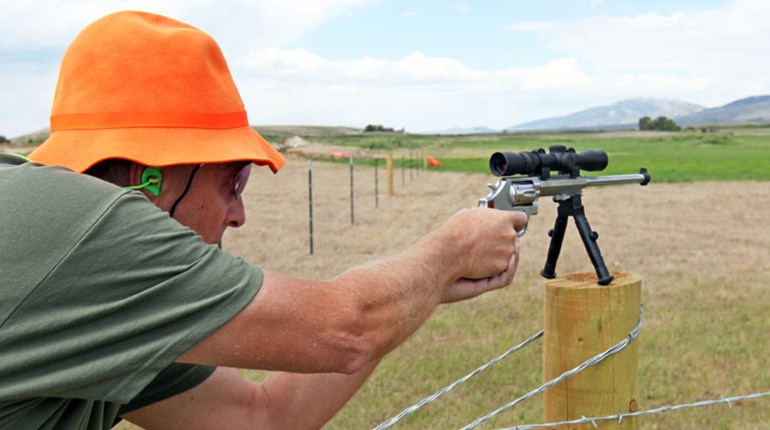
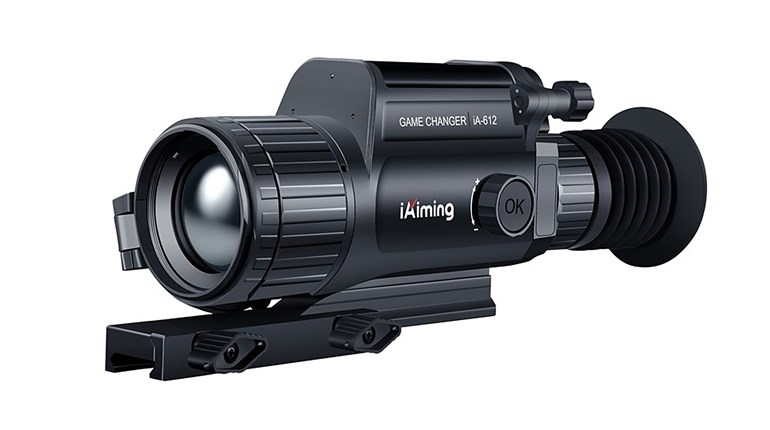
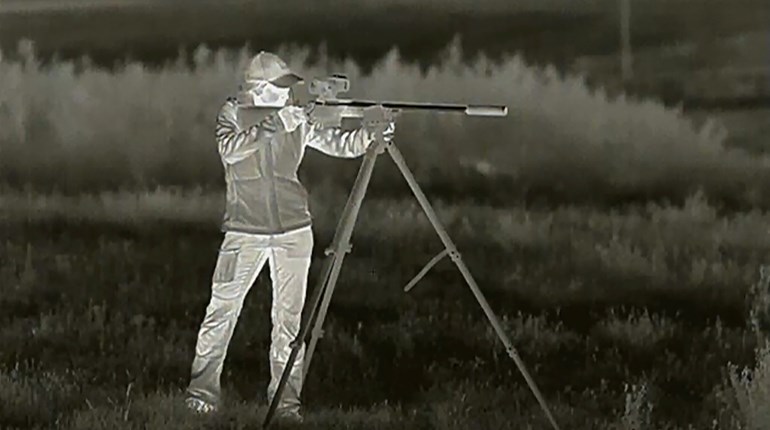
Snow camo and a ski mask are ideal when the snow is down and the moon is out. A turkey seat is needed to keep your rear out of the snow. At night you can basically wear what is comfortable, warm and quiet. You'll need a quality spotlight that can reach out to at least 100 yards. Companies like Lightforce, Cabela's and Primos sell lights for predator hunters that attach to riflescopes. Riflescopes with large objectives or laser sights are best. Some hunters even ante up for night-vision optics.
As you call, sweep the light back and forth across the area where you expect predators to appear. It's best to sweep with the edge or halo of the light instead of using the brighter middle section. Once you locate a set of approaching eyes, keep them shining. As you prepare to shoot, re-aim the main beam of light directly into its eyes. If you find a predator in range don't hesitate.
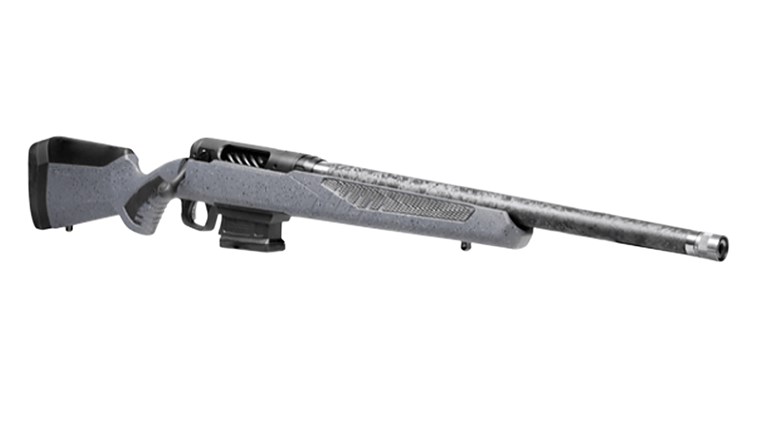
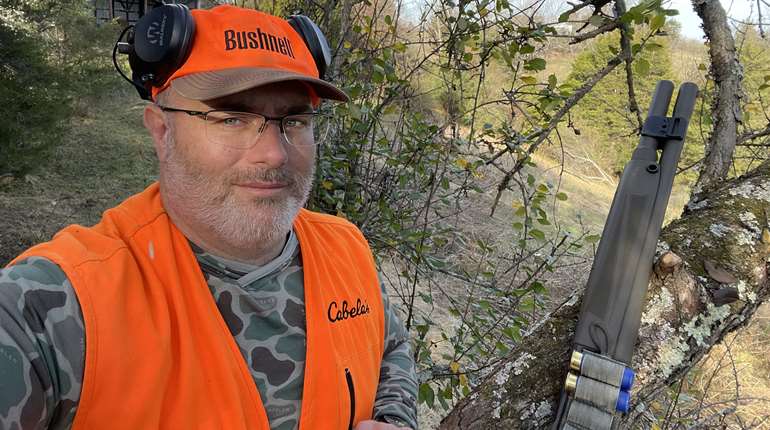
I mostly use a shotgun. The gun of choice depends on how far you can see. If you hunt with a buddy, one of you can carry a rifle and the other a shotgun. If you're new to the sport, you can wait to buy the specialized guns. Your deer rifle and turkey or waterfowl shotgun will do fine. Except at extreme short range, shotguns also don't typically damage the pelts as much as rifle bullets will. With a shotgun use No. 2 buckshot, T-shot or BBs. Hornady's Heavy Magnum Coyote shotgun loads and Hevi-Shot's Dead Coyote are two specialized options. This is like turkey hunting in that you'll use a full or a specialized choke (such as Flambeau Outdoors' MAD Dog Pounder). You will need to pattern your gun to see which brand of ammunition and shot size patterns best in your gun. Later, you might want specialized predator guns. The shooting is fast. This is why shotguns made for predator hunting typically have shorter barrels and are topped with red-dot sights.
If this sounds a little saner now, try it; it'll feel insane again before your blood turns hot. But when a coyote charges in you'll have found a reason to enjoy even the bleakest months.