When I first started bowhunting for elk, I was so worried about using the wrong call or sending the wrong message that I often found myself paralyzed with indecision. If an elk hunter ever had a worse case of performance anxiety, I sure do pity the guy.
Nowadays hearing a bugle still induces an adrenaline rush, but not that nervous cramping in the pit of my stomach. And making quick decisions on what call to use is a no-brainer, proving there’s no substitute for experience. The bottom line for elk calling is to be flexible—if what you’re doing isn’t working, try something else.
Every Bull Is Different
Every elk has a story that determines how it will react to calling. A bull that just lost its cows in a fight might answer your bugles aggressively, only to go cold when you approach within 200 yards. A bull might be sore about having his butt kicked, but he’s not going to invite another round. A herd bull concerned about keeping his harem might respond to every noise you make, but each time he’ll be farther away. A young bull fortunate to have a few cows early in the rut often won’t make a peep after hearing a nearby cow call. To him a couple cows in hand are worth far more than another in the bush that may be traveling with a bigger bull.
If a bull clams up, try approaching him from another direction. When you do, a soft cow mew or the squeal of a young bull could give him the confidence to come to you. Get within 60 yards before calling to a fleeing herd bull and he might turn around on a dime. A timid squeal should give that young bull enough confidence to leave his cows and come investigate. Figure out what kind of bull you’re dealing with and your chances of success skyrocket.
If It Ain’t Broke…
A common belief is that bulls would rather be lovers than fighters, so once hunters set up on a bull, they’ll often automatically switch to cow calls even when the bull went bonkers over bugling. A bull’s most recent reaction (or lack thereof) is the only feedback you have short of seeing him, so that’s your barometer for how you’re doing. If he’s bugling and cutting you off, keep using the same sounds. If he grows increasingly unresponsive, change.
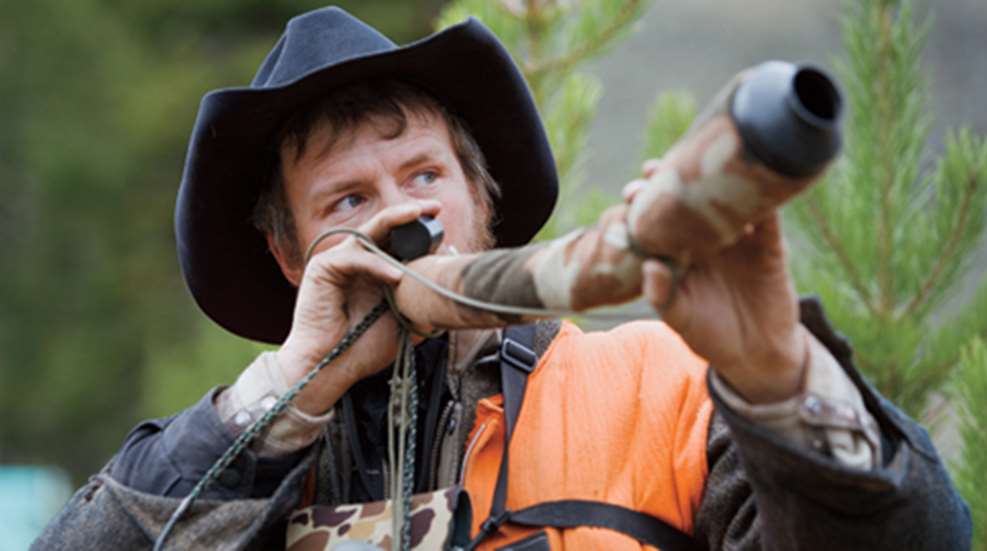
Conversely, don’t sound like a broken record. Learn how to vary your bugles and cow calls and how to operate different kinds of calls like diaphragms, latex-reed bugles and handheld plastic-reed calls. Like turkey calls, each has its own sound and could be the hot call when others fail. Practice grunting and chuckling and adding inflection, as well as the cadence of several different cows and calves talking back and forth.
Finding Bulls
To locate bulls I used to automatically reach for my bugle, but trying to force an aggressive response doesn’t always work. Unless elk are already talking, your chances of engaging a bull increase if you start off soft and easy and only get more aggressive if necessary. Eventually you might have to get aggressive to spark a response. For example, unless a cow’s in heat and a herd bull is being pestered by satellite bulls, the first hour or so of daylight is usually pretty quiet. Try sitting down and just listening. If elk are nearby, it’s better to let them alert you than to risk bumping them.
When you do call, start off with soft, intermittent cow calls. You want to imitate a relaxed cow or two communicating with each other. These mews are non-threatening and are pure music to any bull looking for stray cows. If nothing responds, call a bit louder or imitate a small herd of cows.
Still no response with cow calls? Try a soft moan through your grunt tube. It’s a non-aggressive call bulls make to simply say, “I’m here.” Bulls will often answer in kind. Just don’t start off with the typical elk-hunter bugle. Trying to sound like the biggest, baddest elk in the woods is not always a good idea. Imitate real bulls bugling and keep your initial locator bugles clear and brief (two to three seconds).
If I’m confident elk are within earshot, I won’t move on until I’ve bugled three or four times over five to eight minutes. Sometimes it takes a few calls to goad a non-aggressive bull into answering. I might add more rasp to the notes and follow the bugle with some grunts or chuckles. An increasingly frustrated bull might suddenly close the distance. If not, I’ll try calling in different directions for further realism.
Working a Bull
Let’s say you’ve set up on a responsive bull. If he bugled once or twice to a cow call, stick with it. In my experience a bull located with a cow call is far more likely to come in than one first located with a bugle. Otherwise, try the following: If you did locate him with a bugle but he’s not really excited, cow call first. Start off with a few drawn-out mews mimicking a relaxed cow looking for company, or imitate a lost calf. You can always pick up the pace or emotion, or imitate a small herd talking back and forth. Just remember that the more cows you sound like, the greater the chance he’ll hang up when he comes in and doesn’t see any.
Bugling may be what sets a bull off, but think “tempo.” When a bull bugles, don’t answer immediately. Make him stew, then call again. You want him to answer you so you can control the pace, which you’ll eventually quicken until you’re cutting him off. You’ll know you’re getting to him when he starts getting raspier and cutting you off.
Not every bugling bull wants to take on the neighborhood bully. To sound like an immature bull, cup your hands and squeal through a diaphragm instead of a grunt tube; it can give any bull the confidence to approach.
If you’re losing a bull’s interest, calling louder and more frequently isn’t necessarily the answer. Change up your calling, back out and approach him from another direction, add other elk sounds like raking a branch against tree bark, snapping twigs, moving back and forth and calling. Elk are big, noisy animals. Sometimes the most effective calls are found on the forest floor.
Don’t be afraid to stay put and shut up for a while. For all you know, the bull could be coming to check you out.
“Hyper-hot” estrous calls that became popular years ago can be extremely effective in late September and early October, but use them sparingly. And if you’re in hard-hunted public areas, the chance is high that bulls have heard them a lot.
Never set up without a diaphragm call in your mouth so you can stop a moving bull in a shooting lane when you’re at full draw.
Finally, remember that calling elk is all about getting the shot. If you can’t find a spot with adequate shooting lanes, back out and find a better setup.