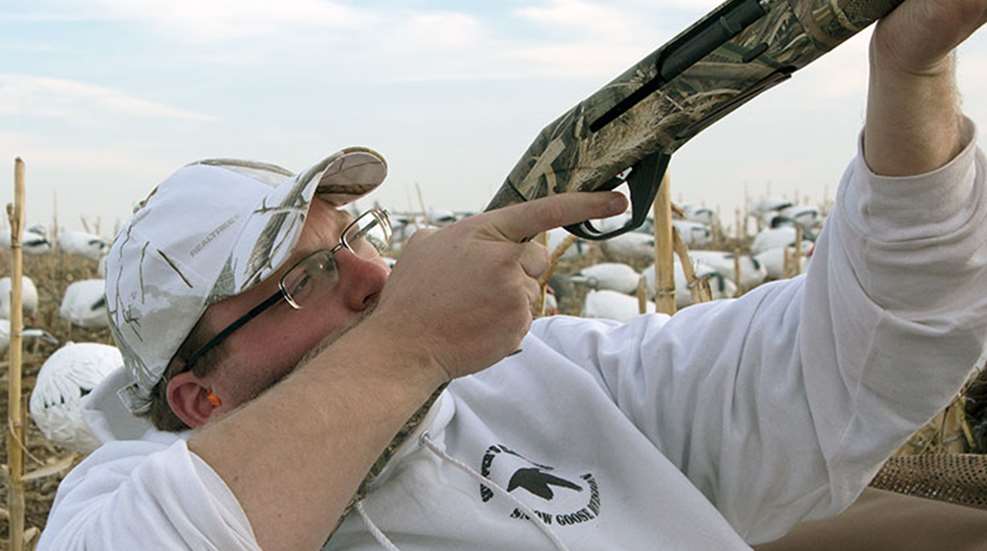
In the world of waterfowl hunting, there's very little, if anything, quite like the light goose conservation season. Each year, more and more states in flyways across the nation have been authorizing conservation orders to control the booming light goose population, therein extending every waterfowl hunter's calendar beyond the existing migratory bird hunting framework. With seasons running well into April in many participating states (whether the birds are still there, or not) and severely loosened hunting regulations (electronic callers, unplugged shotguns and liberal/non-existent bag limits), chasing snow geese during the reverse migration has become an increasingly popular springtime activity.
The new set of rules, though, begs the question: Just what kind of shotgun is really worthy of being deemed a snow goose rig? Here are a few things to keep in mind before you head out to protect the tundra.
Choosing a Gun
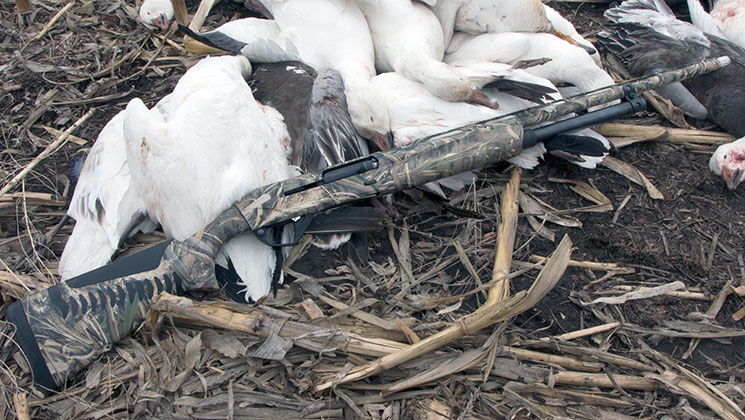
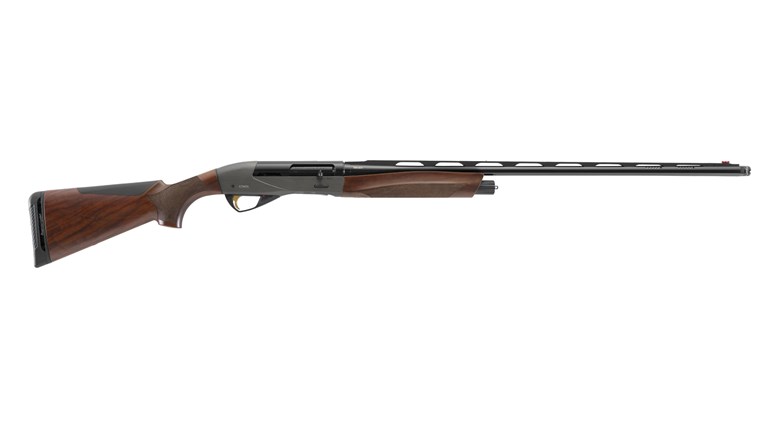
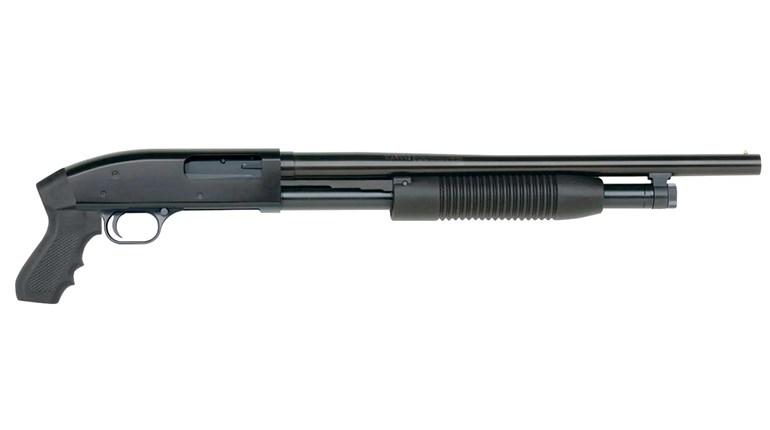
The first thing you'll have to do, naturally, is settle on a shotgun. Truth be told, this part's kind of a dealer's choice situation—whatever gun you're comfortable using on a waterfowl hunt technically suffices. Being comfortable is key. That said, let me impart some advice: Go with a 12-gauge autoloader. Conservation season snows have been shot at all year, so the adult birds tend to be awfully leery—you can count on having to try to reach out and touch birds at an extended range from time to time. Further, no matter how fast you can run a pump gun, you'll be doing your shoulder a favor if you opt for the semi-auto. For the 2017 conservation season, I opted for the Benelli Super Black Eagle 3. Beyond coming from reliable roots, I liked the idea of having an inertia-driven action. A good spring snow goose shoot can potentially end in triple digits. That's a lot of shooting—it's awfully handy to have a clean-shooting gun on hand.

Extension Tubes
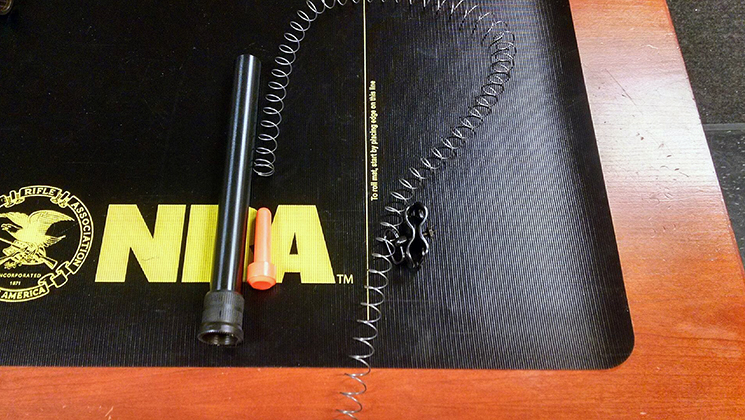
During the spring conservation seasons, light geese are treated akin to nuisance animals. There's rarely a bag limit, and Fish & Game departments are willing to significantly loosen the usual rules. The first thing to go? The plug in your shotgun. Removing the plug itself immediately grants you more room in the magazine—but it doesn't have to end there. Magazine tube extensions are readily available for most of the big name designs, and can help make your duck gun even more lethal. Extension tubes vary in length, based on your firearm of choice, and where you buy them. Carlson's Choke Tubes offers a wide selection of tubes, including the model I attached to my Super Black Eagle before venturing to South Dakota for a spring hunt. With it in tow, I was able to carry six additional 3-inch shells in my magazine tube to back up the one in the chamber. Not bad. Extension tubes require just a few minutes to install.
Choke Tubes
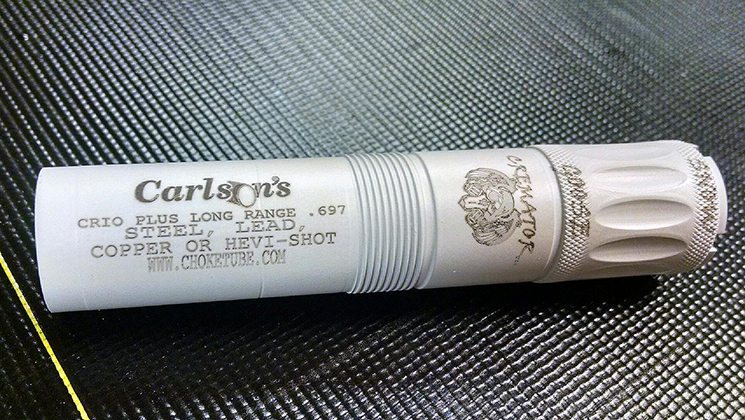
Selecting the proper choke tube for the job at hand is an ongoing battle for every scattergun owner. In this case, it's not difficult. Odds are, whatever choke you might use for geese throughout the standard waterfowl seasons will be just fine. If you're in the market for a new choke setup, though, I've got a few recommendations. It's not a bad idea to go with a paired set, like those offered by Carlson's. It allows you to keep both a mid- and long-range choke on hand. Once you get a feel for what the birds are going to do during your hunt, you can swap out your choke as needed. I opted for the Carlson's Cremator, which the company is now producing in a special-edition "Snow Goose" variant. The white coat obviously doesn't change your results, but it's snazzy looking, and it ensures your light goose choke will be easy to identify in your blind bag. For the record, Carlson’s manufactures its chokes from corrosion-resistant 17-4 PH stainless steel. That’s important to note, because most factory choke tubes are made of lesser stainless steel.
Sights
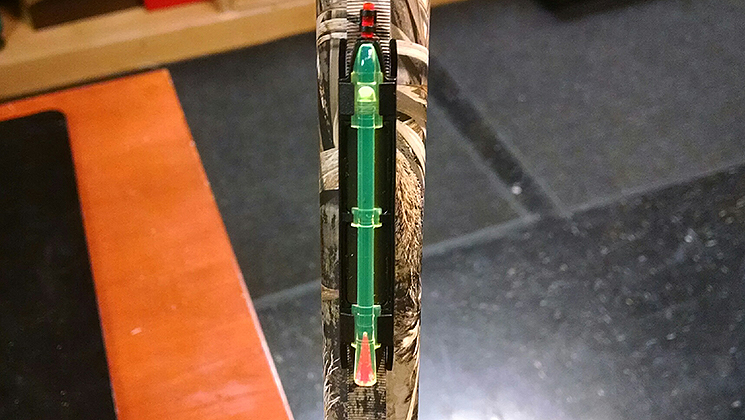
Aftermarket sights—or rather, sights in general—remain a topic of contention among those that use their scatterguns to hit an airborne target. It's true that you don't necessarily need so much as a bead to hit a duck or goose, so long as your form is correct and your hand-eye coordination is up to snuff. That said, some folks still like a sight at the end of their duck gun, and I'm one of them. If you're going looking to add an aftermarket option to your snow goose gun, a company worth looking into is HiViz Shooting Systems. HiViz offers a variety of magnetic front sights that are easy to both apply and remove from your shotgun's rib. The company also has more permanent options, such as out and out bead replacements. The fiber optic sights are very easy to see and identify upon bringing the gun to your shoulder. It's important to note, though, that HiViz products are not one-size-fits-all. Fortunately, though, the company's website makes it easy to find the product that'll fit your scattergun. I was able to use the M300 on my SBE3.
On Ammunition
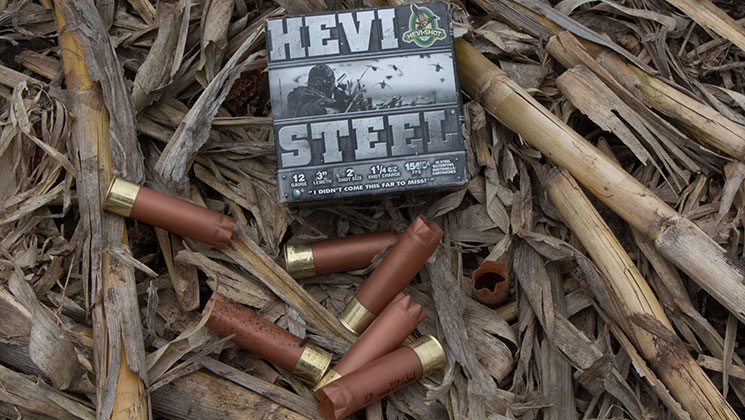
What ammunition you ultimately decide to feed your shotgun remains entirely up to you. There are, though, a few things worth keeping in mind. Like I said, shots on snow geese—especially mature birds—can come at an extended range. If you're chasing snows through prairie states like Missouri or the Dakotas, those shots might also come in rather windy conditions. It's not a bad idea to go for a faster, heavier payload. For my trip, I settled on a variety of shells from Hevi-Shot's Hevi-Steel line. I packed a case each of No. 1 shot, No. 2 shot and BB, allowing me to change my load to fit conditions upon arrival. Versatility is a good thing.
It might cost you a few extra bucks, but building an appropriate snow goose slayer is well worth the effort. Take advantage of the loosened regulations and you'll find yourself knocking down more light geese—trust me. Still, though, the key remains to be comfortable with what you're toting. Best of luck out there, friends. Let it snow.