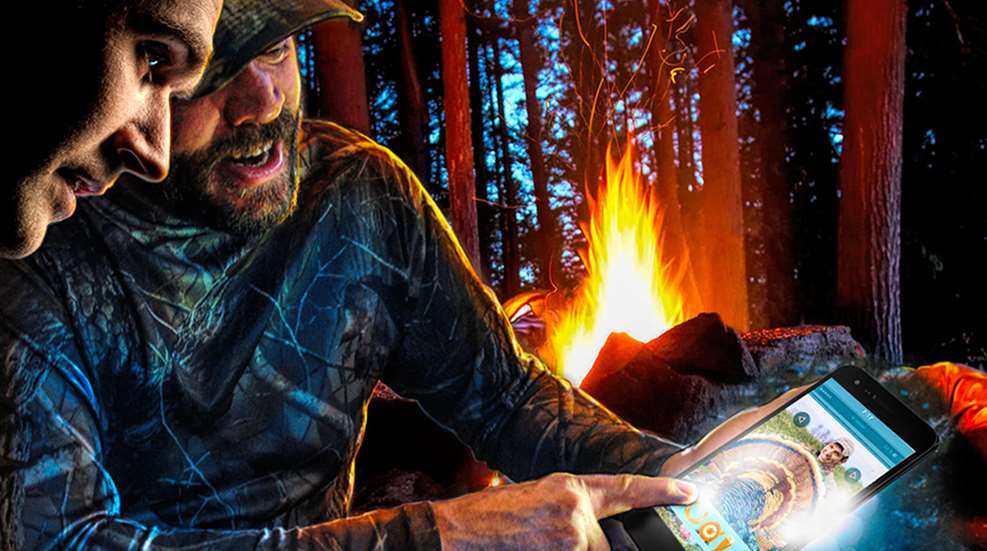
YouTube’s executives are still willing to, for the time being, mostly look the other way as they make money off hunters posting and watching videos on their online video-sharing platform. Guns and hunting are, however, unescapably linked and YouTube has banned videos that market firearms and those that show how to do many common repairs and upgrades to guns. These political restrictions have been used by YouTube’s parent company, Alphabet Inc. (which is Google), to ban or demonetize a lot of legal gun content on YouTube.
Hunting shows and channels that post content on YouTube—shows that mostly live on sponsorships from companies that make firearms and related products—now have to navigate these vague censorship rules set by Alphabet Inc. leadership, people who mostly march to the beat of the progressive left’s dogma.
YouTube’s treatment of gun companies recently made national headlines when it tossed Brownells Inc.’s channel, the gun-parts supply company known for its excellent videos on how to maintain, operate and repair firearms, off its site. YouTube did quickly reinstate Brownells’ channel, but only after pushback from Brownells’ many fans lit up social media and began to appear in national media outlets.
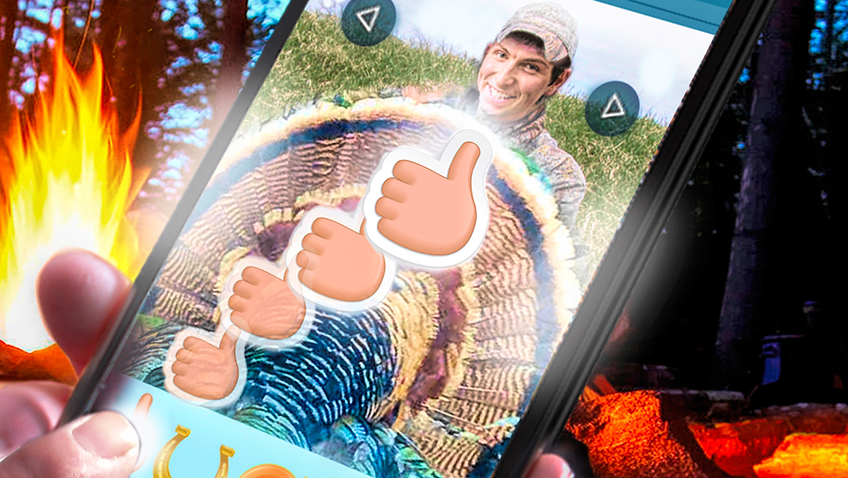
This temporary snub from YouTube wouldn’t have been all that newsworthy for national news outlets if it wasn’t part of a trend. YouTube and its parent company Alphabet Inc. have marginalized, demonetized and outright banned pro-gun and politically conservative content. Syndicated radio host Dennis Prager is even suing Google after some of his “PragerU” videos were put on a restricted list by YouTube. Prager says Google is “transparently ideological” and that “there is no question” they censor conservative content.
This ideological pressure has worried a lot of hunting companies and people with hunting-themed YouTube channels.
“We get massive viewership across all our platforms,” says Bill Winke, owner of midwestwhitetails.com and a writer you know from these pages. “YouTube is our largest source of viewership, but we are also using several other platforms—all the other platforms we own and control. In the end, you can’t leave your business future (or your voice) up to the policy changes of a platform you don’t control. For the most part we can advertise our YouTube videos using Google AdWords as long as we don’t use certain words in the title or description. ‘Gun,’ ‘shoot’ and ‘kill’ are obviously not going to make it through the AdWords algorithms. Sometimes we get denied based on animal cruelty and then we resubmit the same video and it gets accepted. I have heard the same experience from other big hunting/shooting video distributors who use YouTube. We don’t show videos on Facebook, but I believe Facebook would be even more restrictive.”
Many people are also asking when or if sites like YouTube will be treated not as platforms but as publishers.
Facebook, Instagram (owned by Facebook) and Twitter have also banned a lot of hunters from their platforms after online anti-hunting mobs have submitted complaints about some hunter’s legal behavior. Online petitions on Facebook have even demanded that Facebook ban all hunting images. Facebook hasn’t gone that far yet, but it has removed hunting photos; for example, Facebook removed photos posted by Kendall Jones, a former Texas Tech student and hunter, who posted photos of herself with game she killed in Zimbabwe.
When asked why they removed Jones’ photos, Facebook told Mashable: “We remove reported content that promotes poaching of endangered species, the sale of animals for organized fight or content that includes extreme acts of animal abuse. Certain content, which some may find offensive, can be used to spread awareness, and we welcome dialogue about animal abuse, hunting, and other animal-rights issues.”
Jones, of course, had legally killed the game animals she hunted in Zimbabwe. They weren’t poached. She pointed out that hunting is an important conservation tool in North America and in Africa.
New Freedom-Loving Platforms
The anti-gun-rights and anti-hunting stances reverberating from these large social-media companies is understandably making those in the gun and hunting industry look for alternatives. After some channels were banned from YouTube for posting gunsmithing content, a few actually started posting their content on a porn site that said it was all about freedom of expression.
Many in the gun and hunting industry shook their heads and said there must be another alternative. When I wrote an article for the NRA’s America’s 1st Freedom arguing that gun owners need their own YouTube, responses poured in. Many said they were working to create alternatives. A few said they were using block-chain technology to create new platforms free of ideological filters. Others had already developed new video-sharing platforms and sites, such as ugetube.com, that do allow gun-related videos. Existing sites like veoh.com, vimeo.com, imeo.com and others also post hunting content. The NRA has a lot of video content, such as American Hunter’s SundayGunday web series and American Rifleman TV. Hunting industry sites such as realtree.com and outdoorchannel.com have also built deep wells of hunting content.
“As an alternative to YouTube,” says Bill Dunn, managing director, marketing and communications for the National Shooting Sports Foundation, “we developed letsgoshooting.org and letsgohunting.org, which house all of our great shooting and hunting videos. We’ll also be working with industry companies to add their videos to these libraries to improve it even more. We’ll also be launching an app, so people will be able to watch these videos on their smart TVs and so they can download an app for their mobile devices.”
Due to the substantial data-storage costs a video-sharing site requires, there are big-dollar roadblocks for niche startups to overcome. Still, many smell an opportunity and a need, which are catalysts for change in any free marketplace.
Many people are also asking when or if sites like YouTube will be treated not as platforms but as publishers. After all, if they are willing to discriminate, as is their right to do, then they are not behaving as open networks, such as phone companies, but are acting like publishing companies that are then responsible, as in civilly liable, for the content posted on their sites. These social-media Goliaths spend a lot of lobbying money in Washington, D.C., to keep having it both ways, but times are changing; even Facebook’s CEO Mark Zuckerberg has said new federal regulations of their powerful platforms are “inevitable.”
Markets do evolve. Not long ago few could have foreseen the power and the market share companies like Google and Facebook now enjoy. As their politics alienate more people, such as gun owners and hunters—if history is any judge—the marketplace they mostly control will continue to fracture as new competitors emerge. That’s a good thing for freedom.
Most Popular