Many hunters go to great lengths shooting groups from the bench at the range. But how well can you place an ethical shot on your quarry in the field when a bench isn’t available? The answer is simple to find.
First, determine the size of the heart/lung area of the animal to be hunted. For instance, the heart/lung area on a mature whitetail buck is very close to 8 inches. In some parts of the country where the deer are smaller, 6 inches may be more realistic.
In either case, pick up some paper plates of the appropriate size at the local grocery store and head for the range. Hang several plates at a distance you anticipate to take a shot at game while hunting. For example, if your stand is 60 yards from a well-used deer trail, hang the plates at that distance. If you expect to shoot across a draw to a ridge 170 yards away, make that the range to the plates.
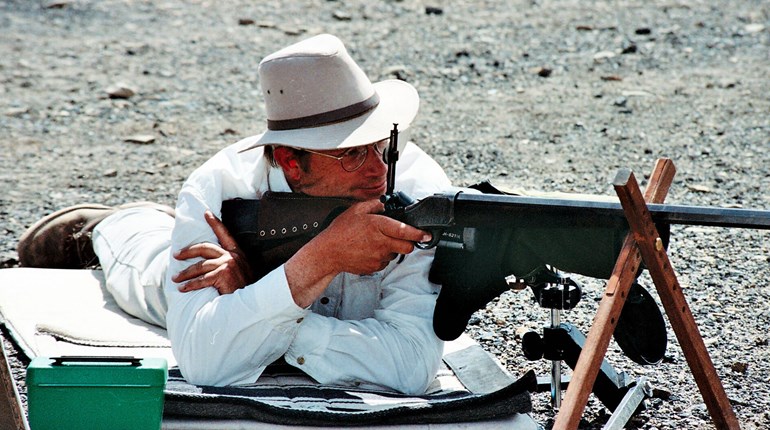
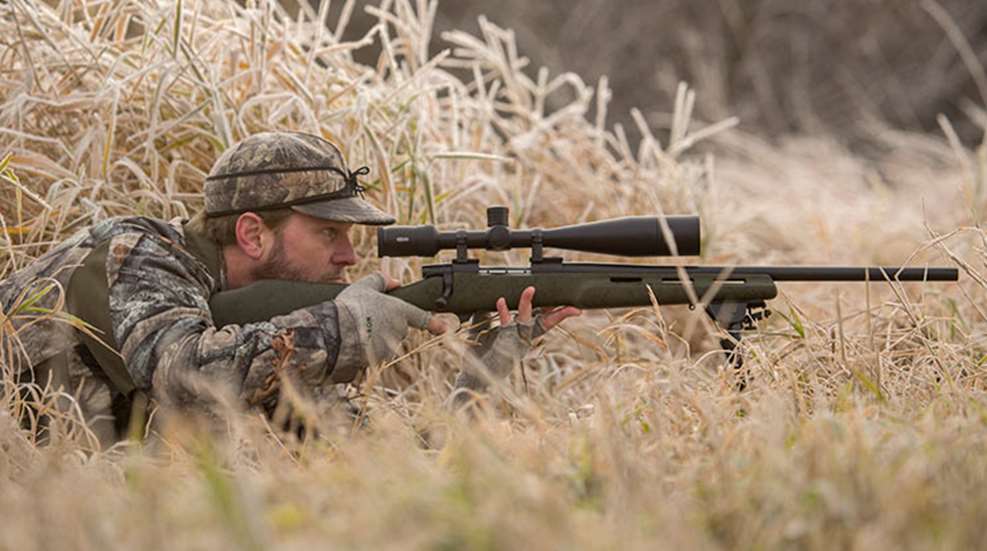
Next, decide what position you are likely to be in when taking a shot in the field. If you’re going to hunt from a treestand or blind, you’ll most likely be seated. Still-hunters will probably shoot from standing or perhaps kneeling when the moment of truth arrives. A Western spot-and-stalk hunt may afford you a shot from prone. Settle into the appropriate position and fire five shots at a plate.
All five shots need to be within the diameter of the plate in order to validate the distance, position, equipment and your ability to ethically take that shot. If all five aren’t in the plate you will either have to find a way to get closer, change positions or practice to improve your marksmanship ability until you can consistently put five shots in a row on the target.
Try multiple positions with the same goal of five consecutive shots (no misses) on the plate. Incorporate shooting sticks or other improvised rests like a pack if they will be available in the field when hunting. With each position start at a distance that ensures success (hopefully the range to game you first anticipated) and move back from the target in 10-yard increments. When you miss, you have exceeded your ethical shooting distance with that particular firearm in that position. You have determined your limit for taking game cleanly.