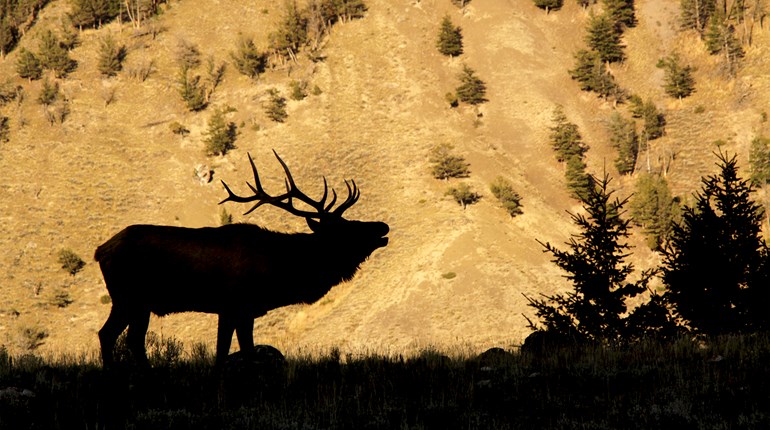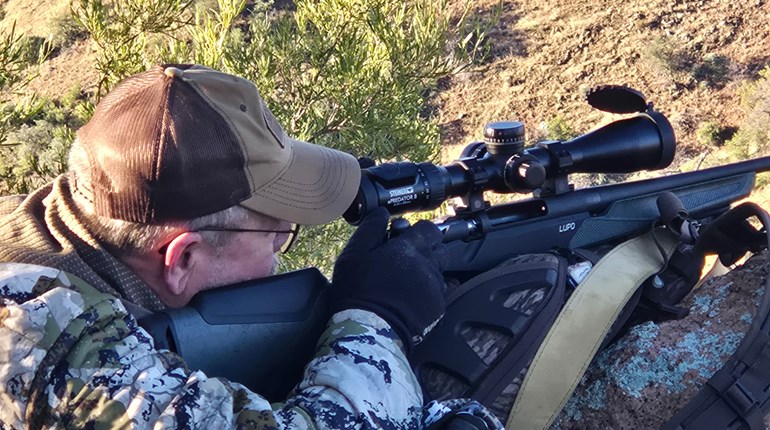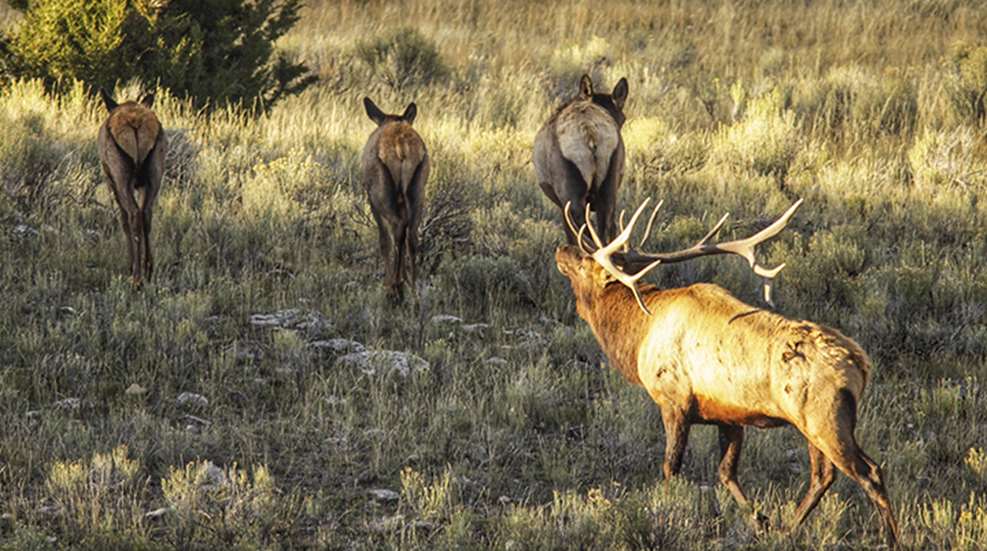
Elk hunting differs from a traditional whitetail hunt in many ways. Elevation, rugged terrain and extraction adversities separate the two, just to name a handful of complicating distinctions. Another difference is the fact elk keep a schedule that offers hunting opportunities throughout the day, whereas whitetails may shut down. Focus on meeting locations that vary by the hour to engage your leggy quarry instead of napping under an old pine tree.
6 a.m. to 10 a.m.
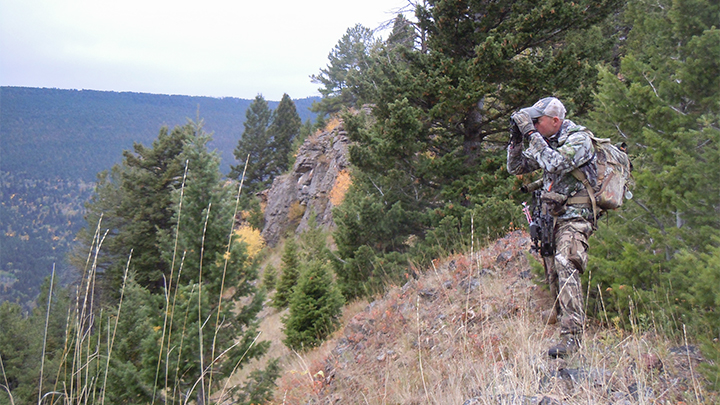
If I had to rate one period as the Holy Grail, it would be dawn through midmorning. Elk seem to be anxious, agitated and goal-oriented. That equals noise, and noisy elk are easy to track. The "anxious" issue arises from elk being exposed at sunrise to potential hunting pressure. They are anxious to move to private digs most hunters will be pressed to reach. Herd bulls are anxious to keep the harem together while moving through a barrage of tag-along satellite bulls. What is the goal? By midmorning elk want to be high on a north face, across a major canyon and buried in thick pines or junipers. The mad dash ensures sanctuary and relief from any day's sporting searing sunshine.
Although your targeted herd may be easy to track via vocalizations, starting with elk at a lower level could be a regrettable mistake. Elk are cruisers; the name implies long-legged, built for rapid and sustained escape. In brief, they can cover real estate faster than you. You may be able to keep up in some topography, but in true mountain settings, elk use elevation gain to their advantage, and that leaves you gasping in the thin air.
A solid plan includes scouting for potential elk hangouts. Instead of starting with elk at ground zero, stage yourself on north slopes and densely covered highlands where you expect elk to park for daytime sanctuary. Use their calls to maneuver into position, keeping in mind thermals typically carry your scent downward. Negotiate in close for ambush or calling opportunities. Now is a good time to sound like a lost cow or an irritating satellite.
10 a.m. to 2 p.m.
From midmorning through midafternoon, elk could be engaged in a variety of activities. As ruminants, elk need a timeout to digest their food through regurgitation and repeated chewing. This act and the need for rest equates to nap time during this period. As elk decide where to bed with herd mentality, expect restlessness, prodding by the herd bull and satellites hellbent on grabbing some action before nap time commences. This forest disarray provides you yet another opportunity to edge close for a shot as elk eyes divert to pre-bedding commotion.
Bulls busy prodding satellites out of the herd may give you the exact opening to release a shrill scream in defiance. Get ready. A bull could bulldozer past you in seconds looking for the irritant.
At some point and quite suddenly, the woods will go quiet as elk settle for a few hours. You may want to join their napping habit, but do so in a strategic location. A top pick is right there on the edge of the herd. If the wind allows and you can see or sense you are within a short hike of the herd, hold your position. As cows come into estrus, an unsettled herd bull could prod a cow from her bed any time during this period for a brief chase. Have an arrow safely nocked on your bow beside you as you recharge. A strategically placed decoy could make a bull pause during the shuffle, giving you the window to shoot.
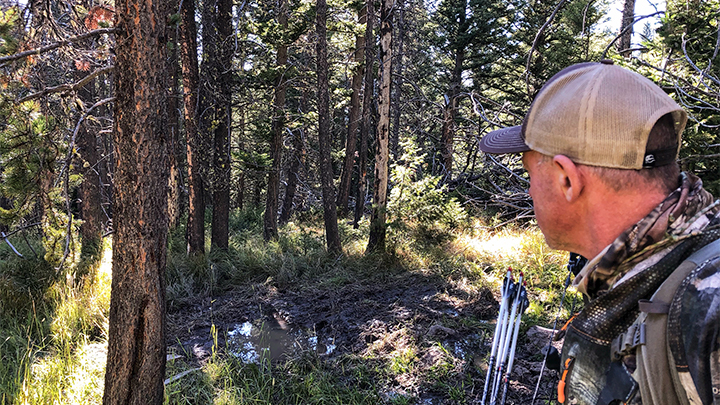
Another high-ranking option is to retreat slightly to any nearby water, especially one with signs of recent wallowing. It is not uncommon for a herd bull or satellite to slip away from the ladies to rehydrate and reapply a layer of urine-soaked mud for afternoon cologne. Build a homemade hide downwind and catch a wink while waiting.
3 p.m. to 6 p.m.
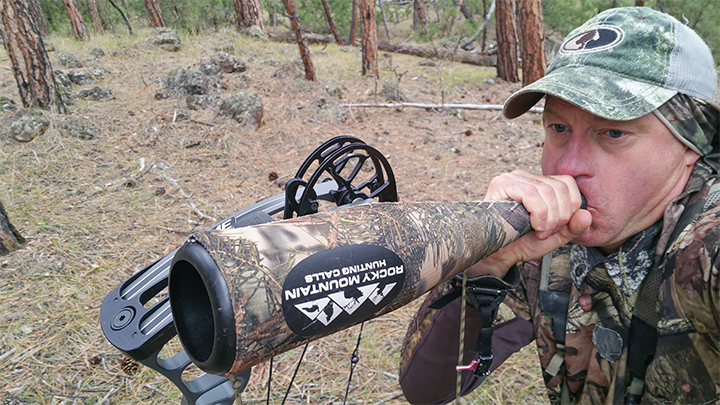
The day is slipping away, but primetime could just be around the corner. Elk tend to rise and shine from their afternoon rest earlier than their whitetail cousins. Elk may live a Dracula lifestyle, but normally they kick off their evening entertainment early. Even on highly pressured public lands in general units, I hear the first impatient bugles from waking bulls from 3 p.m. to 4 p.m. during the September rut.
Bulls characteristically bugle when they rise and their travel begins. If you have positioned close to the herd, you will hear the wakeup call. Stay alert, as some early-evening tail chasing could put a bull within shooting range.
Unlike the morning setup, the late afternoon is not a time to gamble on meeting elk at their evening feeding destination unless you have solid intel. Elk often utilize small openings on their way to primary feeding areas, such as mesas or major parks, and arrive after shooting light.
On their way to these grazing restaurants, elk prefer to water. Their morning travels likely included a water stop, but a long afternoon of resting and cud chewing, plus possible tepid September temps, nudges them to drink again. Creek crossings, reservoirs, ponds and other springy areas could be another ambush waypoint depending on the climate and water availability. Your hunting app is invaluable for locating water and possible travel routes.
Between stop-and-go grazing and a water visit, the sluggish schedule of the herd could give you chances for interaction. Follow or parallel the herd on the downwind side while trying to anticipate their final evening destination. Calls or ambush plans should be ready for immediate execution.
6 p.m. to Dusk
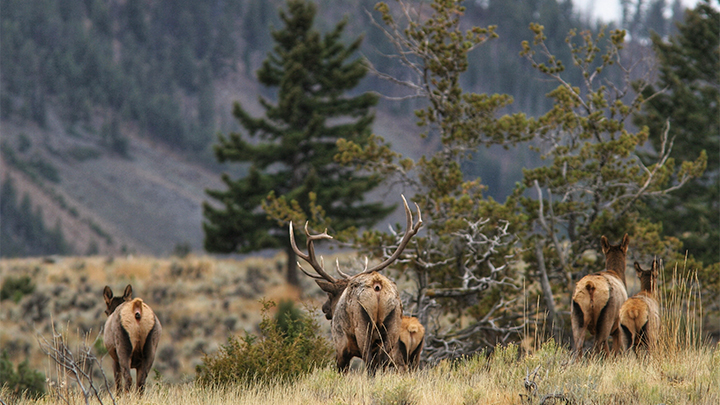
You may get lucky with a herd that chats continually until dusk. Your luck may run out with elk using a backdoor exit to dodge you. In the case of the former, attempt to get in front of the lively bunch for a calling or ambush interception. Knowing where they are likely headed is a bonus in positioning. In the case of the latter, I typically work towards camp using the occasional locator call to spark any conversations along the way. I figure if nobody wants to play, I may as well get an extra hour of sleep, because elk hunting requires you to sleep fast for the next day’s jam-packed schedule.