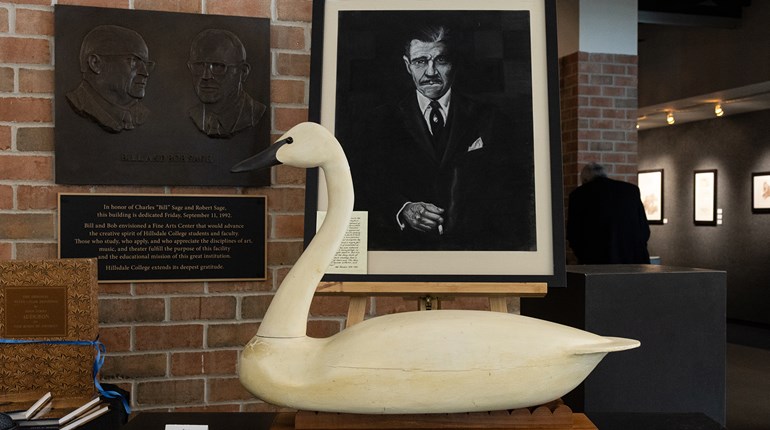
Given that the giant subspecies of Canada geese is now found in every U.S. state—often in nuisance-level numbers—it's easily forgotten that the world's largest geese nearly went extinct. In fact, according to a fascinating report by Ducks Unlimited, they were assumed to have done so until Harold C. Hanson of the Illinois Natural History Survey found a small flock near Rochester, Minnesota, in the early 1960s.
Fifty years later, the population estimate is a whopping 4 million giant Canada geese—3 million of which reside as resident populations in the United States. Biologists believe this equates to the largest total number of Canada geese that North America has ever known.
Many falsely believe that booming resident goose populations are a result of geese that have lost their migratory instincts. In actuality, giants never migrated to begin with—a variable in their near-destruction, as it afforded year-round, unregulated shooting. By the time the damage was realized, it was too late.
Or so it seemed. Reintroduction efforts across the country expanded the giant's range, and it quickly proved highly suited to the modern environment. One might consider them the whitetail deer of waterfowl: They are grazers, feeding on grass and sedges, so suburban golf courses and other landscapes greatly suit them; and they've also benefited from agriculture crops and waste grains.
Additionally they are reproductive powerhouses. Giant Canada geese have a greater lifespan than other subspecies; they reach sexual maturity at a younger age; and, given that some exceed twenty pounds, they have the size required to fend off numerous predators.
How fast was the population turnaround? Just two decades ago reintroduction efforts were still underway—suffice it to say no municipalities want any extra Canadas today. Now the focus is on controlling the growth of resident populations, affording many sportsmen an unprecedented opportunity: Nearly six semi-continuous months of goose hunting.
It's strange, when people discuss America's great conservation success stories, geese tend to play second fiddle to whitetails and wild turkeys. Is their story not equally compelling?
For more info check out the DU report "Understanding Waterfowl: Story of the Giants". It's well worth the full read.