Bird Group Sues Feds Over Wind Turbine Deaths

by
posted on July 1, 2014
** When you buy products through the links on our site, we may earn a commission that supports NRA's mission to protect, preserve and defend the Second Amendment. **
dogs_ah2015_fs.jpg (42)

By 2030, the U.S. government wants 20-percent of the country's energy demands to be met by wind energy. The rush to meet this goal—which we're a heck of a long way from achieving—has exposed much hypocrisy.

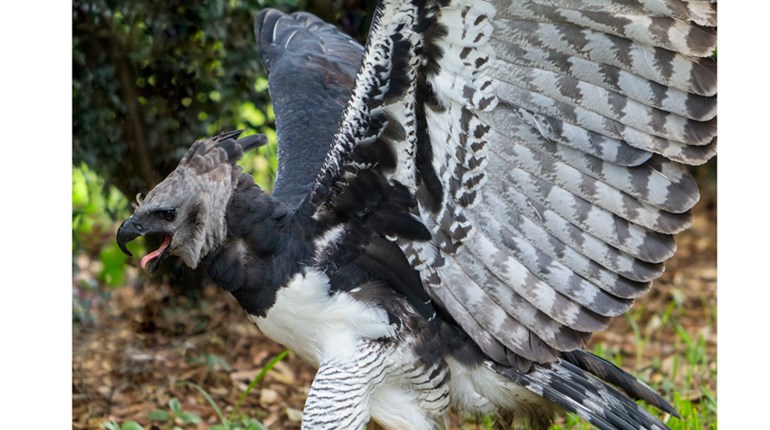
Here's the biggest contradiction: While the U.S. Fish and Wildlife Service (USFWS) recently suggested that lead ammo is affecting eagle populations (see the NSSF's rebuttal here), the government apparently has no problem killing eagles in the name of wind power. On December 9, 2013, the Department of the Interior (DOI) approved a regulation to provide wind companies with 30-year permits to kill eagles, including bald eagles, without prosecution by the federal government.

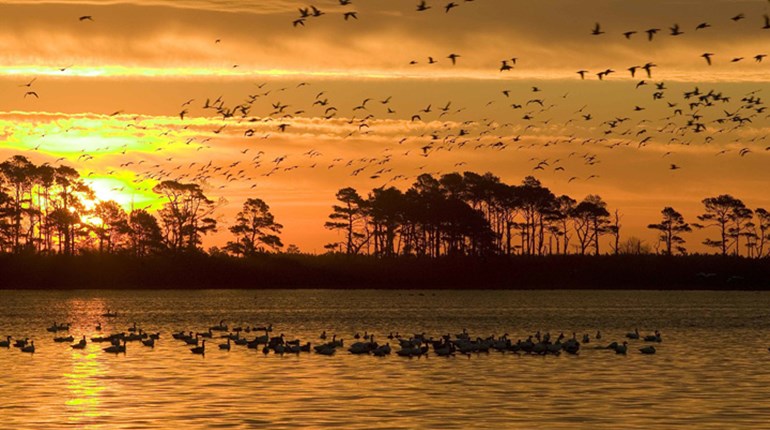
According to the USFWS' own data, wind turbines kill an estimated 67 golden eagles at one San Francisco wind facility alone. Nobody denies that wind turbines kill birds of prey (they also likely impact upland birds and waterfowl); but the fact the government would actually sanction killing eagles defies logic.

So, in April the American Bird Conservancy filed a lawsuit.

“Eagles are among our nation’s most iconic and cherished birds. They do not have to be sacrificed for the next 30 years for the sake of unconstrained wind energy,” said Dr. Michael Hutchins, National Coordinator of ABC’s Bird Smart Wind Energy Program. "Giving wind companies a 30-year pass to kill Bald and Golden Eagles without knowing how it might affect their populations is a reckless and irresponsible gamble that millions of Americans are unwilling to take."

I couldn't agree more. The original proposal was for five-year permits—far more reasonable given we don't know what the full impact of the turbines will be.

In response to the initial proposal, the USFWS's statement to the Federal Register read: "[a permit of any longer than five years] would be incompatible with the preservation of the Bald or Golden Eagle."

The government has left no doubt that wind energy is coming. One day it may even prove a good renewable energy source. But are we comfortable allowing its rapid implementation to outpace our knowledge of its full impact?

Latest

Norma American Professional Hunter 308 Norma Magnum 180Gr Oryx Rifle Ammo 20 Rounds 1439756 1

Behind the Bullet: The .308 Norma Magnum

Norma’s ballistician Nils Kvale saw the wisdom of having the velocity and horsepower of the .300 H&H Magnum, but in a shorter, more affordable receiver, and used the H&H case to develop his .358 Norma Magnum in 1959 as well as the .308 Norma Magnum one year later. The .308 Norma Magnum closely resembles the wildcat .30-338 cartridge, though the shoulder of the former is located a bit more toward the base than that of the .308 Norma Magnum. Intrigued? Read on about this often unfairly overlooked hunting classic.

New for 2026: Browning Trail Cameras Defender Pro Scout Max HD-DV

The Defender Pro Scout Max HD-DV, from Browning Trail Cameras, promises direct video transmission and streamlined setup without adding complexity.

Is Wildcatting Right for You?

Dennis Bradley explores the potential benefits of going with a wildcat cartridge, using the .375 Raptor as a case study.

New for 2026: The Chiappa M1-22 Bushranger

Chiappa Firearms expands its rimfire lineup with the introduction of the Bushranger M1-22 Semi-Auto, a .22 LR rifle built to bridge familiar sporting ergonomics with modern accessory capability. The Bushranger is intended for recreational shooting, skill development and range use, but could also excel in the hands of any small game or varmint hunter.

Savage Updates 212 and 220 Slug Guns

Savage Arms has upgraded its 212/220 Harvester and Harvester Woodland slug guns. These models now feature the AccuFit V2 stock system, providing shooters with all sorts of customizable options.

Science Behind Mountain Lion Management and Hunting

Across North America, agencies responsible for the conservation and management of native mammals, including large carnivores, employ science-based tools to manage wildlife populations. It’s a delicate balance too often compromised by emotion at the ballot box.

Interests


Get the best of American Hunter delivered to your inbox.