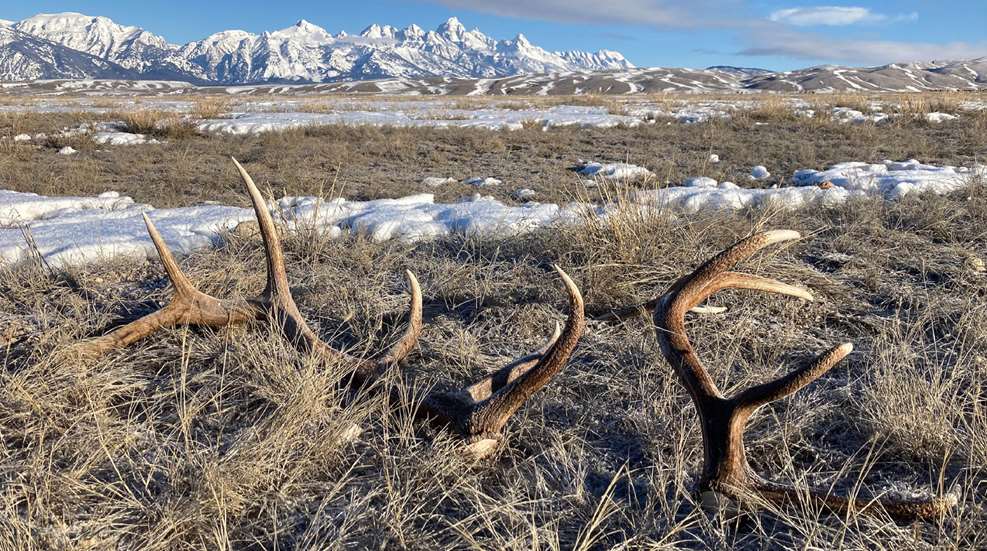
The Wyoming Game and Fish Department (WGFD) and the U.S. Fish and Wildlife Service (FWS) announced on May 11 that for the first time chronic wasting disease (CWD) has been documented in Wyoming Elk Hunt Area 77, located on FWS-managed National Elk Refuge. The cow elk showing symptoms was euthanized and the tissue samples sent to WGFD’s Wildlife Health Laboratory were confirmed as positive for CWD.
To address the situation National Elk Refuge staff will increase monitoring and surveillance of herds for CWD. Some existing programs will be re-evaluated and additional bio-security protocols implemented when doing so will enhance the safety of visitors to the refuge and wildlife. More details can be found in the National Elk Refuge Chronic Wasting Disease Response Strategy available online at fws.gov.
It is also the first confirmed case of CWD in the Wyoming elk hunt area. Nearly all of it is on the National Elk Refuge. Its hunting seasons typically run October to November and are tailored to address the chronic overpopulation at the popular wildlife-watching destination.
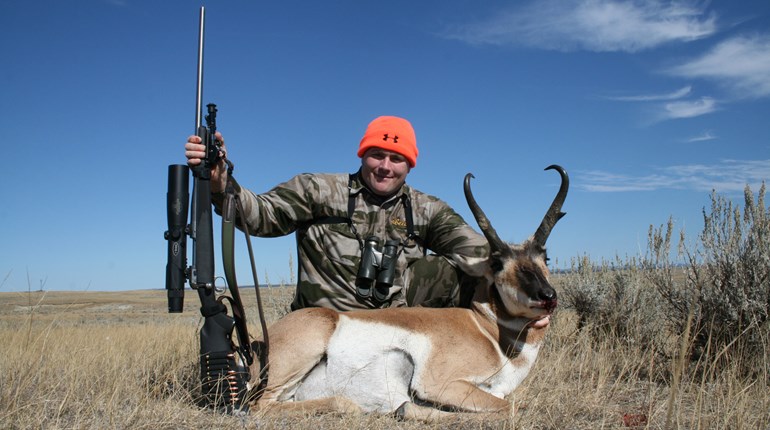
Hunting as a management tool is relatively new at the National Elk Refuge, despite a concentration of big-game animals—with many migrating to other areas annually—that can speed CWD’s spread. Limited elk and bison hunting began in 2007. Seasons for whitetail deer and antelope opened in 2022.
CWD is a fatal neurological disease that affects deer, elk and moose. WGFD partners with FWS to manage wildlife on federal lands in the state. Both departments will continue monitoring over time to further understand the potential impacts of the disease in the area and evaluate future management actions.
The National Elk Refuge was established in 1912 to protect elk habit. Geographically it’s located entirely in Wyoming, just outside the city of Jackson Hole.
Estimates for the number of elk spending the warm months on the refuge run as high as 8,000 some years. In December, however, biologists counted roughly 6,540.