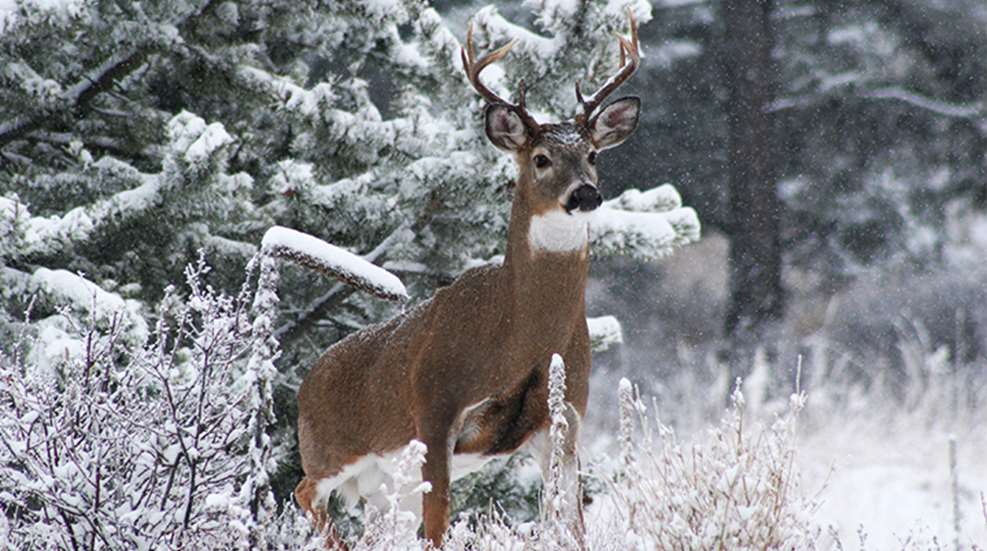
When it comes to deer hunting, the rut gets all of the accolades and press. Everyone is either too cold, tired or tagged out to care about the late season. But in my opinion, it’s one of the best times to kill a whitetail—even a big one.
That said, there are certain things deer hunters should (and shouldn’t) do when trying to finish before the clock quits ticking. Want to come away with a buzzer-beater buck? Here are five things to not do, and alternative choices to go with instead.
1. Areas Lacking Solar Cover
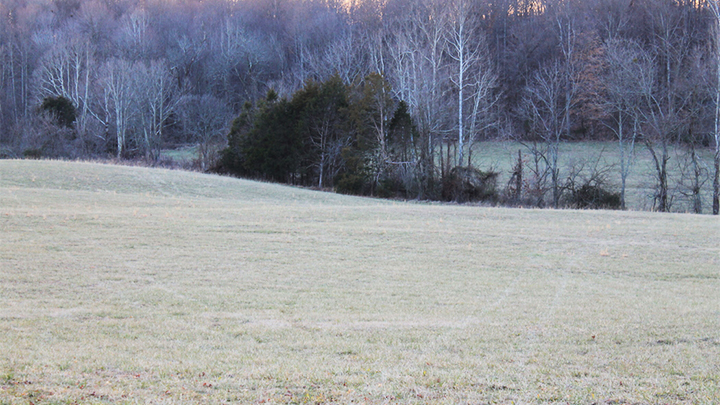
One of the worst things late-season deer hunters can do is hunt in areas that don’t offer solar cover. Deer need to bed in locations that check certain boxes. And once it gets cold, those that don’t do that are generally void of deer.
Do This Instead: In the northern two-thirds of the country, deer generally face significantly cold temperatures. While winterkill isn’t very common outside of far-north destinations, it still takes certain behavioral practices to beat the cold.
One way whitetails accomplish this is by bedding in areas that offer solar cover. This comes in the form of south-facing slopes. Hillsides that face this direction receive more sunlight, as the sun rises in the southeast and sets in the southwest. Deer bedded up on southern slopes get more direct heat than on hillsides facing other directions. Therefore, focusing on areas and properties that offer this is a surefire way to put yourself in the hunt during cold, winter outings.
2. Areas Lacking Thermal Cover
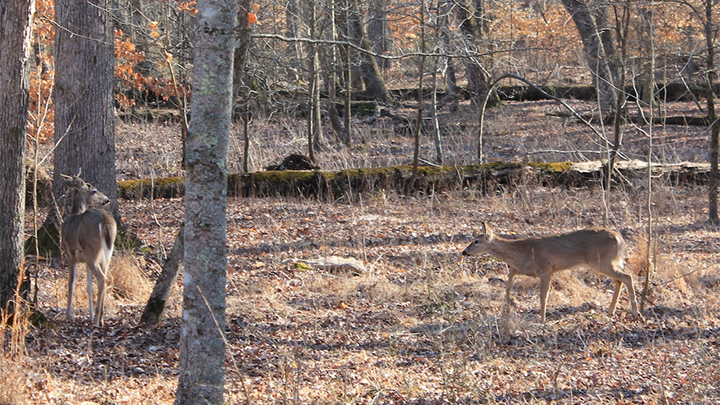
Similar to solar bedding, thermal cover is important, too. This is another one of those boxes that needs to be checked for deer to consistently sleep there. And as we all know, if you aren’t close to the bedroom, you’re usually not seeing these deer during legal shooting hours. And areas that lack thermal cover—such as mature timber and open hardwoods—see less action during daylight.
Do This Instead: In colder climates, deer need every survival advantage they can get. Locations that have thermal cover provide that. The best examples of this are cedar trees and other coniferous species. These hold more heat closer to ground level. Oftentimes, it can be several degrees warmer here, as compared to nearby timber that might be more open and less conducive to heat retention.
To maximize your odds, focus hunting time on areas that offer both solar and thermal cover in the same location. South-facing slopes that also have cedars and other coniferous trees are dynamite locations. And if they have nearby food and low hunting pressure, there’s sure to be plenty of deer frequenting the area.
3. Locations That Already Received Heavy Hunting Pressure
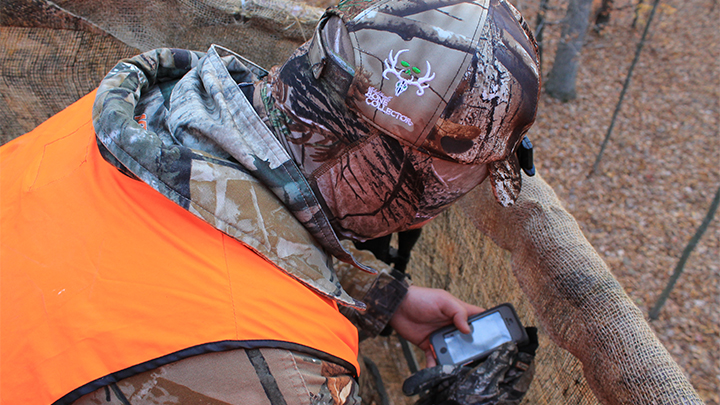
One of the worst things a hunter can do is continue to pound areas that were hunted heavily throughout the early season, pre-rut and rut. Generally, whitetails will all but vacate these spots in search of places that provide better late-season habitat, food and especially security from deer hunters.
Do This Instead: Those who own, lease or otherwise control larger acreages of private land should think about spots that haven’t been hunted since opening day. Come the late season, deer retreat to these spots, and are sure to find such pockets of pressureless land to inhabit. After all, deer are masters of survival. That includes locating areas where hunters never (or rarely) go.
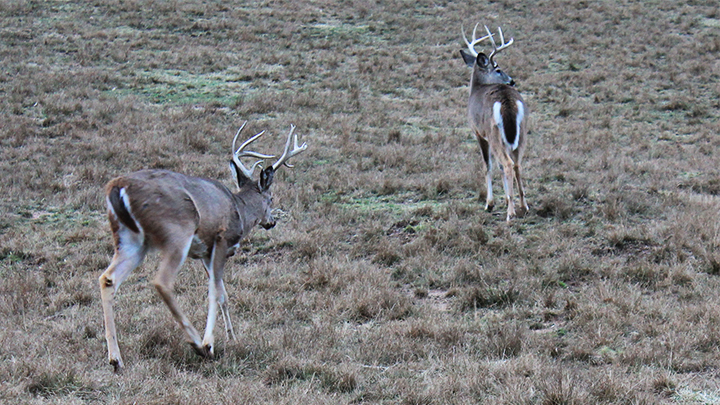
As previously mentioned, if these areas also provide solar and/or thermal bedding cover, it’s even better. When possible, hunters might even go as far as to purposely leave such spots alone and unhunted until the late season. Then, if you still haven’t filled a tag by this phase, there are fresh opportunities to focus on. Trust me, if you make it this far into deer season without punching a tag, you’ll thank yourself for leaving a portion of your hunting grounds untouched.
In southern states where climates are warmer and less severe, rank unpressured areas far above spots that provide solar and thermal bedding areas. However, food is king, no matter your destination.
4. Locations That Don’t Offer Quality Food Sources
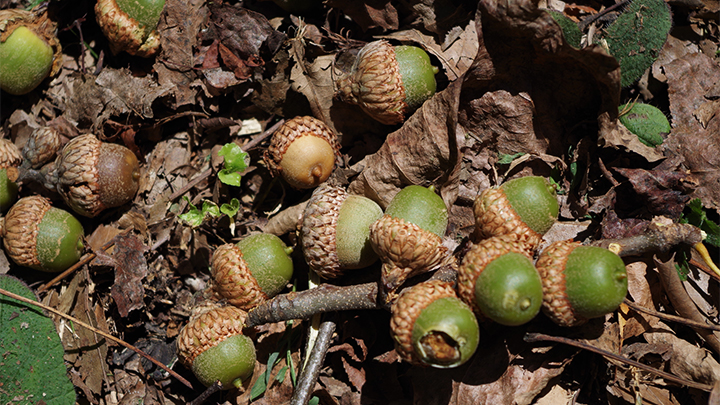
While deer need quality bedding cover to overcome wintertime challenges, they also need good food sources. Hunting in spots that don’t offer good grub is a surefire way to see fewer deer and fill less tags.
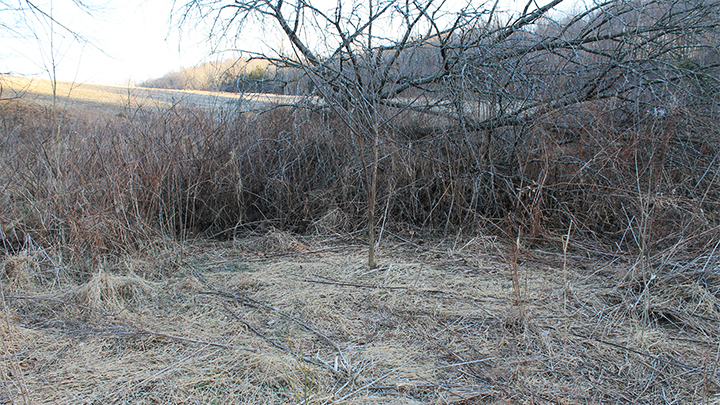
Do This Instead: Deer hunting is as much about scouting as actual hunting. Spend time searching for good late-season food sources; these are the places deer will spend theirs. Much of the deer activity here will be done under cover of darkness, but knowing where the food is located is crucial. Then, you can set up on travel routes between these spots and late-season bedding areas.
When it comes to food, though, there are certain things deer prefer. Shelled cornfields, standing cornfields, standing soybeans, ag fields with other waste grains, wheat, oats, turnips, radishes, other brassicas, beets, hard mast (i.e., acorns), forbs and especially popular browse choices are solid bets. Deer depend on these things—especially the latter—to live off of during the late season.
5. Anywhere Trail Cameras and Glassing from Afar Aren’t Producing
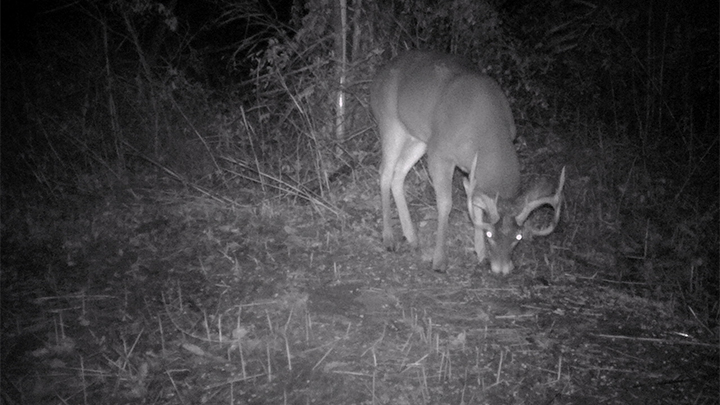
Regardless of other factors, if you aren’t seeing deer on trail cameras, and especially when hunting or glassing from afar, there’s a decent chance the area isn’t seeing much activity. Sure, you won’t catch every deer on camera, or see every deer in person, but if both are void of deer movement, here’s your sign.
Do This Instead: Focus all scouting efforts on areas that we’ve previously discussed as good options. Whether hunting for a deer that’s for both the freezer and the wall, or just the former, keep searching until you’ve located a deer that makes you happy.
Don’t waste hours, days and weeks in a spot that likely won’t produce. This time of year, deer are creatures of habit. Wherever they are now, is where they’ll likely be until spring green-up.
Bonus: Other Spots Late-Season Whitetails Love
In addition to the factors mentioned above, there are other places to keep in mind. Deer are dynamic critters, and complicated would be their middle name, if they had them.
Water sources is an often-overlooked option. When it’s really cold, stagnant and slow-moving sources lock up. Once it freezes, deer seek out open sources of H2O, and location depending, these can be in short supply.
That aside, consider other high-odds spots for the late season, such as ridge points, leeward (downwind-side) ridges, oxbows, marshes, flooded timber islands, CRP, standing crop fields, clear cuts, cutover timber and other places that offer security cover and/or food. The late season is here, and deer are seeking reprieve from the cold. Find these places, and you just might fill the freezer with a buzzer-beater this year.