Despite what some hunters think when birds seem call-shy, ducks haven’t changed much since humans first began hunting them. But we sure have. Technology and tactics have evolved tremendously, and if you’re one of those modern hunters who embraces change, here’s how you can use it to your advantage this fall.
Duck’s-Eye-View Scouting
Scouting, or finding the places ducks like to naturally stop to feed and rest, has never been easier thanks to modern technology. These days all of us can use tech such as the internet and even trail cameras to scout locations without even actually being there.
First, go to ducks.org and check out the updated migration map from Ducks Unlimited, and then deltawaterfowl.com to look at its migration report, courtesy of Delta Waterfowl. These real-time tools rely on networks of duck spotters to accurately track the mass migration of birds; they can be a great indicator of when you should be hunting and where. While there is no substitute for actual boots on the ground to see if there are ducks at your hunting location, up-to-date migration reports are handy if you live a good distance from where you hunt.
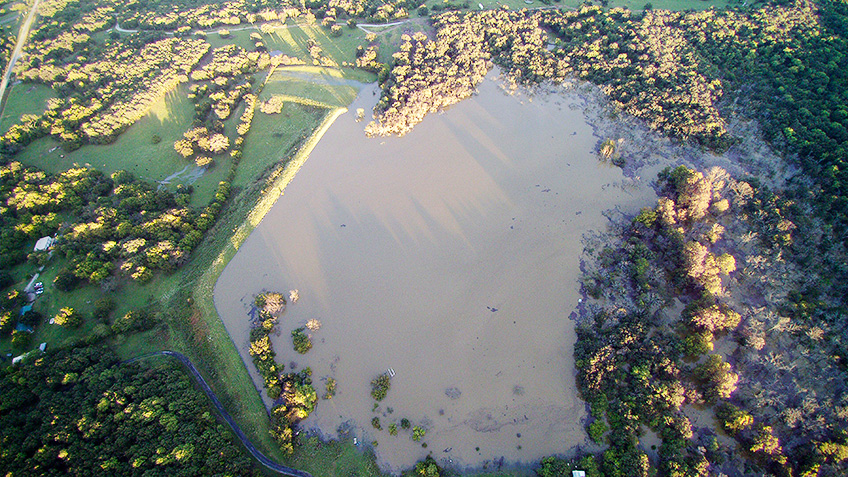
Secondly, use satellite imagery tools such as Google Earth and OnX Hunt to find bodies of water and crop fields that you otherwise may not have known existed. After all, if you don’t know potential duck-harboring spots exist, you can’t ask permission to hunt them. Plenty of times I’ve found new hunting spots by locating public lakes on Google Earth and then scouting them.
Third, if you hunt private land, set decoys on a body of water you intend to hunt and place a trail cam over them. Set the camera to only take pictures every 30 minutes or so—or use the field scanning function (otherwise on windy days the motion of the decoys will trigger the camera constantly). You should capture ducks if they land in or near the decoys, and this can tell you if the area is worth hunting, even as you hunt a different location. Essentially, you can be in more than one place at once during the season. And if you have a trail cam such as Bushnell’s new Impulse that is cellular based, even better. You can check your duck locations without leaving your house or workplace. One word of caution on trail cams, however: Realize that even if you don’t get images of ducks, it doesn’t mean ducks were not there or will not be there. So don’t rule out a spot based on trail-cam photos alone.
Motion Dekes
Battery-powered motion decoys aren’t new, but they’re still high-tech. Where legal, they absolutely work like duck magnets. While I don’t have a Ph.D. in duck psychology, I believe they're attractive to ducks because the movement they produce catches the eyes of traveling ducks from far away better than still decoys. Once incoming birds see the motion, they tend to fly closer to take a look, then become convinced the motion on the water is the natural movement of dabbling ducks. Because ducks are gregarious animals, they often congregate where other ducks have already found food and safe haven. So, if it’s in your budget, adding a spinning-wing decoy or two like those from Mojo can do wonders for your success. Ripple-producing devices like "ice eaters" are also effective, as they can add movement to the whole spread.
If you can’t afford these high-tech gadgets, don’t fret. Simply rig a jerk cord system by attaching a couple of decoys to a string to manually make them move and splash as birds fly over—just as hunters have done for eons.
Drones
If you or someone you know has a drone, use it (where legal) to check the overhead camouflage quality of your blind as well as the look of your decoy setup.
First, get set up exactly how you plan to hunt, then send up the drone and ask the following questions as you study your blind and your set from the drone’s camera: Do the decoys look natural? Can you see any movement in the decoys? Does your blind effectively camouflage you? Is there anything such as a glinting gun barrel or a tall buddy’s silly black beanie hat that glares like a beacon and flares ducks? If so, correct and apply camouflage, or reposition the blind as necessary while keeping the sun and wind in mind. Often the duck’s-eye view is extremely ... eye opening.
High-Tech Safety Tip
These days most hunters are diligent in protecting their hearing while on the gun range. Some even wear hearing protection while deer hunting. But studies reveal 86 percent of waterfowl hunters do not wear hearing protection in the duck blind—the place where they need it most due to the high volume of shots fired and close proximity to the muzzles of 12-gauges.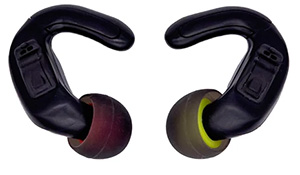 However, it’s tough to hunt ducks if you can’t hear them or communicate with your partners. That’s why electronic, in-the-ear hearing protection like that from Tetra Hearing makes so much sense. The Tetra Waterfowl plugs are barely noticeable in your ear and do not interfere with your shotgun mount like muffs can. Tetra’s Specialized Target Optimization technology makes harmless sounds like the whistling wings of ducks and your buddies’ bad jokes clear while preventing damaging noises like the bangs of shotguns from ever reaching your eardrums. While seemingly pricey, they may be the most important investment you ever make—unless, of course, you like saying, “Huh?” a lot. MSRP: $699; tetrahearing.com.