(Photo by USFWS)
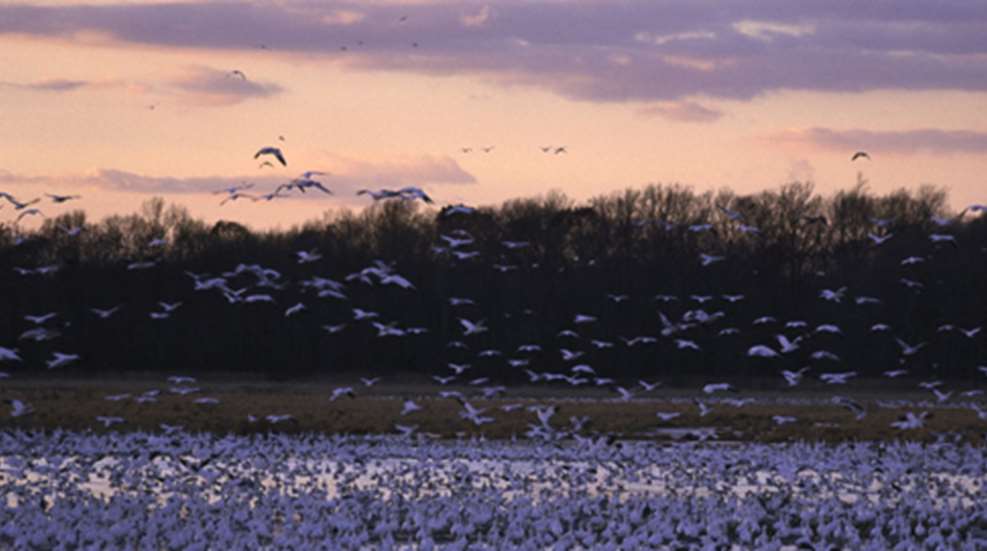
Beautiful and destructive, snow geese have put themselves squarely in the shot string of the U.S. Fish and Wildlife Service. White geese have become so prolific and educated that they’re literally eating themselves, and the rest of the ecosystem, out of house and home.
To save the arctic breeding grounds, a special spring conservation season has been implemented —and the government’s gloves are off. Hunters are free to unplug shotguns and use electronic calls that play actual recordings of live birds, and if you get into a mess of geese, don’t worry about keeping a tally in your head—no limits exist.
But that doesn’t mean it’s an easy hunt. Exactly the opposite is true. Snow geese are smart, and with upwards of tens of thousands of birds in a single flock, there are a lot of eyes inspecting potential landing zones and looking for anything suspicious.
To make the most of a spring snow goose hunt, keep these tips—a mixture of common sense basics and clever advanced tactics—in mind when planning to do your conservatory duty.
Hide Yourself
When it comes to any waterfowl hunting, blending in with your surroundings is paramount. When you have 10,000 pairs of eyes in a single flock inspecting your setup, there’s no room for missteps—not an inch.
“The biggest problem is hiding in the decoys. It’s probably the most overlooked, yet basic thing,” said Jeff Wasley of Four Flyways Outfitters, who guides hunters to snow geese in South Dakota during the spring conservation season.
To look as natural as possible, Wasley suggests lowering the profile of layout blinds by digging holes for them, if possible, as well as placing them close together, and filling in space between blinds with surrounding vegetation to eliminate shadows as much as possible. Likewise, use the mesh flaps on your layout to conceal your face as snows circle overhead; a shiny white face will flare them almost as fast as blaring obnoxious pop music over your sound system.
Sound Off
And speaking of sound systems, while you don’t want some pop star’s voice cracking over your speakers, you just might need the skills of his sound man. Wasley works spring snows with a two-player, four-speaker system that creates the realistic chaos of a feeding flock and gives him the flexibility to call to the situation.
While one player puts out sounds at a constant, lower volume, creating a base of background sounds, Wasley can increase the volume of the other player to hail flocks at long distances and then decrease it as they approach. If the flock slides off at any point he’ll increase the volume again to bring the birds back around.
“I have an MP3 player in my hand and just keep clicking the volume down so I don’t blow them out as they get closer,” he said. “It’s just like calling a mallard. Use a loud attention-getter and then get softer as they begin to work, and if they decide to leave then you give a loud comeback call.”
Numerous companies sell snow goose CDs for you to choose from, just make sure the quality is clear and realistic-sounding.
Don’t Hunt the Main Flock
Hunger to get into the thick of the action might lead you astray when it comes to spring snow goose hunting. Wasley concentrates his efforts south of the greatest numbers of birds, and picks off the smaller flocks that follow behind.
“Hunting in the Dakotas you usually want to be anywhere from 25 to 150 miles south of the main wad of birds. You don’t want to get into the area where they’re stacked up at the snowline,” he said. “That leading edge can have 30,000 to 50,000 birds. You can’t compete with or even come close to representing those numbers. Unless you’re in the absolute perfect spot, you’ll just watch flock after flock get sucked into where tens of thousands of live birds have landed.”
By hunting the flocks straggling south of the main wad, a typical hunter’s spread of 1,000 to 1,500 windsocks and decoys can give you a decent shot at representing the active flocks in the area.
Proficiency with Your Equipment Pays
It’s as basic as it comes, yet it might also be the most overlooked step to success: Know how your equipment performs.
Layout blinds present odd shooting angles for any hunter. For the uninitiated, an entire day can be blown just getting familiar with the perspective. At the very least, practice sitting up and shouldering a gun in a layout blind; if possible practice shooting from a sitting position on the ground and even off your back.
You should have the same familiarity with your firearm, too. “Pattern your gun with goose loads and different chokes. Know what it can do,” said Wasley. “You’ll be shooting big birds at long range and to do that consistently well, you need to be able to get the best out of your firearm.”
Have Realistic Expectations
The promise of piles of geese at the end of the day leads many hunters to believe the spring conservation season is a shooting spree for everyone who bothers to show up. It’s not.
“These birds are hunted nine months of the year. They’re overpopulated for a reason; they’re smart, tough birds,” said Wasley. “You’re not going to kill 100 birds every day, you’re just not. Nobody gets it every day.”
While guides, outfitters and hunting magazines and websites love to show mounds of birds at the conclusion of the day, the truth is those days aren’t the norm. Have realistic expectations and enjoy the fact that you’re waterfowl hunting at a time of year when the only other hunting alternative is preparing for turkey season.
“There are days when everything comes together just right—you’re in the right spot, your spread looks great, the birds cooperate and, perhaps most importantly, the shooters capitalize on their opportunities and make the shots—but it’s not like that every day,” said Wasley.