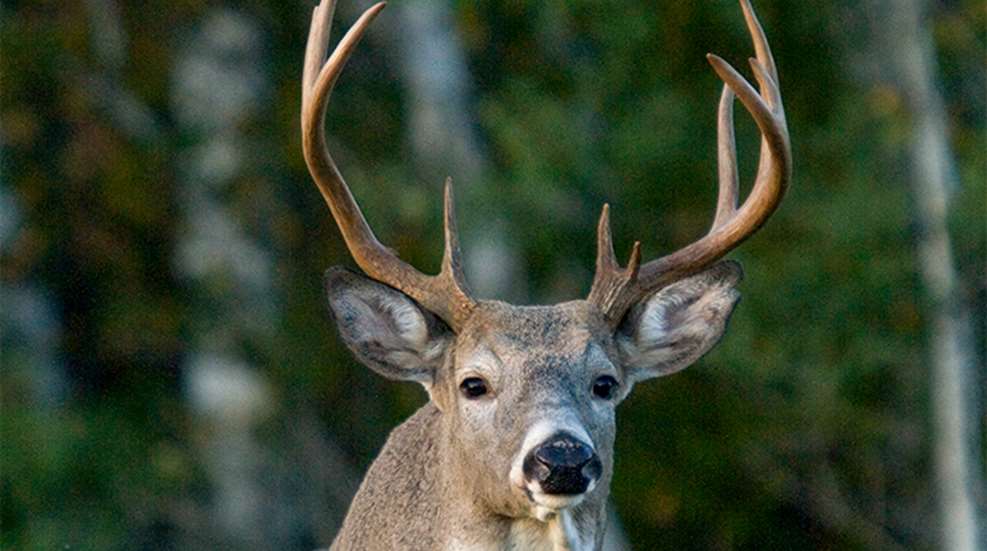
The whitetail opener can be a tale of two vastly different types of deer: Those bucks that can be relatively easy to kill if they haven’t yet split from their summertime bachelor patterns, and those that are difficult to kill if they have. Here are early-season strategies for both.
Hot Summer Nights
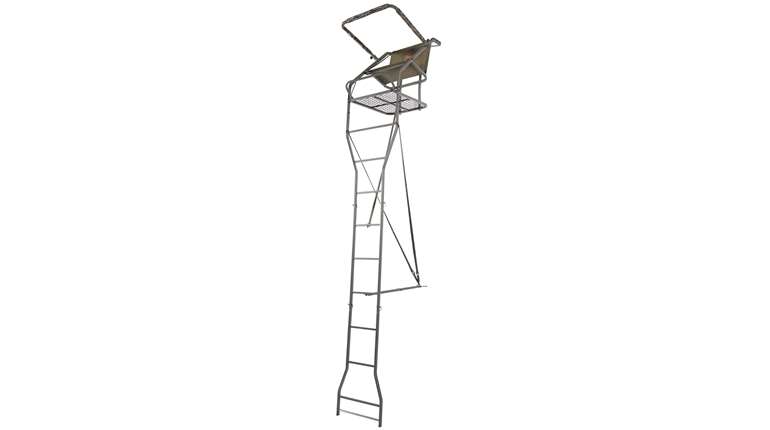
The patterns of many bucks in summer aren’t much of a secret. To find a buck, simply venture out at night and shine your headlights over a crop or CRP field. Deer in August and September in most places are still eating green forbs and only leaving the shady woods at night when the temperatures wane. Problem is, we can’t hunt deer at night! So take your nighttime intel for what it’s worth: That is, you’ve discovered a few bucks. If you haven’t already, place trail cams to see if you can find where these deer are spending the bulk of their days and/or how they are getting there. If you can find this place, you’ll know where to place a stand between it and the food source, then hope a buck traverses through your location during shooting hours—likely in the first moments of dawn or the last minutes of light.
While many hunters believe summer-pattern bucks should only be hunted in the evening to avoid spooking them in the morning while they are slipping from fields back to their sanctuaries, this is a bit of a myth; actually, it all depends on how far the bucks have to travel to and from the food source—and at what times.
A study conducted by Auburn graduate student Clint McCoy used radio collars to track the movements of 37 bucks in South Carolina from Aug. 24 to Sept. 22. One 2½-year-old buck traveled more than 4 miles round trip every evening to feed in the soybeans all night long, only to head back to his woody lair at 5:30 a.m. and hole up there until 8:30 p.m. the next evening. This pattern, of course, would make this buck extremely difficult to kill during the early season because it rarely moved during shooting hours. Others, whether genetically predisposed or due to their position relative to food and cover, are not so untouchable.
Study after study suggests that deer are individuals: home range and their movement within it varies. Some travel more for exotic food while others stay closer to home. Some come to corn feeders like salivating dogs while others are scared of it. Your job is to scout for sign, look for deer and check your trail cams. If you see a buck or a bachelor group feeding in a field during daylight hours, killing the stud of the bunch can be easy if you can find where they are entering the field. More typically, however, the best play is to set up in the woods on a trail leading to the early-season food source. But you better hurry, for it can all change in a flash as the rut gets closer, food sources change, testosterone levels rise and bucks begin carving out their new ranges.
One of the most significant conclusions of McCoy’s study was that most of the bucks had entirely different home ranges in the summer until something flipped like a light switch, causing the bucks to shift their home areas with the transition to fall. What caused this switch? The soybeans dried up while the acorns in the woods ripened. This would explain why bucks often “disappear” when hunting season starts. It’s not that deer pull out their calendars and take cover when bow season starts; rather, it’s because they begin feeding mostly in the woods and therefore aren’t spotted as often.
Early-Season, Solitary Buck Tactics
Amid most of the U.S., bucks begin breaking from their bachelor groups and transitioning to mast—non-forb—food sources in late September and early October. By this time you should have identified a buck you’d like to harvest, but if you haven’t, don’t worry. Plenty of great bucks are taken each year by hunting known food sources and travel routes, rather than specific deer.
Obviously, if you can find the same buck you identified in summer by placing multiple trail cams in surrounding areas of cover, great. Now just learn the area’s predominant winds so you can hang a stand on the downwind side of his core area, hopefully in a pinch point. If you don’t kill him in a week, consider tweaking the stand location if you gain new intel via your time on stand and trail-cam monitoring.
For most hunters who don’t have the time or resources necessary for copious scouting and food-plot construction, the best early-season bet is to find the food sources the deer are using. In most places in early October, this is soft mast such as still-ripe pears, apples or persimmons, and, mainly, hard mast like white oak acorns. So if you’re looking blindly for a place to hunt, begin by scouting oak thickets. Look and listen for ripe, green acorns raining down, but also look for deer themselves. Carry a stand on your back as you scout. Despite what people like me have preached for years, more evidence suggests that deer, even mature bucks, do not “go nocturnal” or leave the area altogether just from being spooked once or twice by a human. Most times, deer will resume eating those acorns mere hours later. If you find a hot oak tree or repeatedly see deer in a certain spot in the woods, set up a stand immediately and hunt it in the days that follow. You might just tag a brute before its pattern changes again in November.
Covert Scouting
Perhaps the one piece of gear that has revolutionized deer hunting the most—and yes, made it easier for average hunters—is the cell-phone based trail cam. I’ve tried most of them, and I think Covert’s Blackhawk 20 LTE is likely the best due to its user-friendliness, great photos, suburb battery life and reasonably priced cell-provider packages.
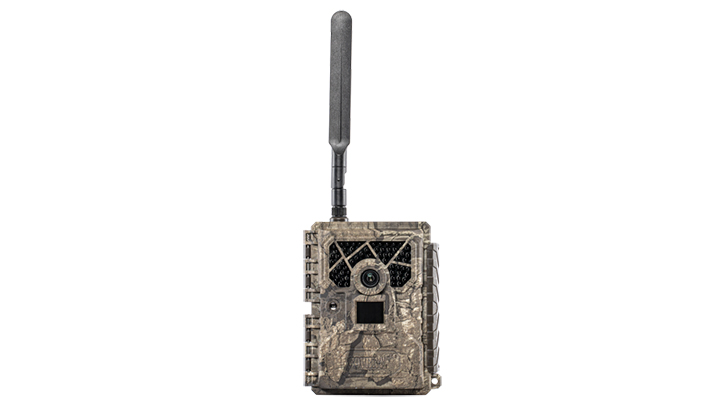
Choose Verizon or AT&T, insert a micro-SD memory card, eight AA batteries and the provided SIM card, then go to Covert’s website and choose a package. Packages start as cheaply as $4.99 per month. I was up and running in minutes then viewing images of deer from my cell phone later that same evening. For early-season scouting, there’s nothing better. MSRP: $399; covertscoutingcameras.com.