Just before the dawn of the 20th century, a pioneer and outdoorsman moved from Nebraska to Seattle, Washington. The Gold Rush was on, and hordes of fortune hunters were funneling through Seattle. Realizing a niche needed to be filled, this entrepreneur began manufacturing clothing and blankets to outfit rugged men headed into rugged country. The Gold Rush eventually ended, but the need for rugged wear did not, so this entrepreneur began building clothes for timbermen and hunters. More than a century later, the company he started still bears his name—C.C. Filson.
Of course, the modern outdoorsman has become infatuated with trendy camo patterns and modern synthetic materials. This is partly because they look cool, and partly because they’re less expensive and lighter than their wool and waxed-canvas counterparts. However, most modern outdoorsmen don’t realize natural fibers can protect them just as well, if not better, than the chemically created fabrics so in vogue today.
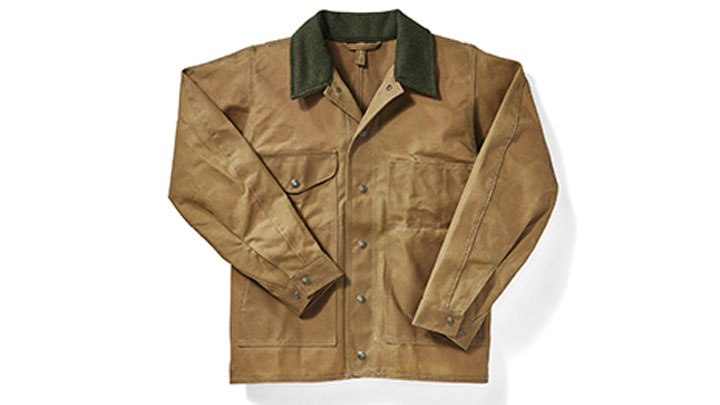
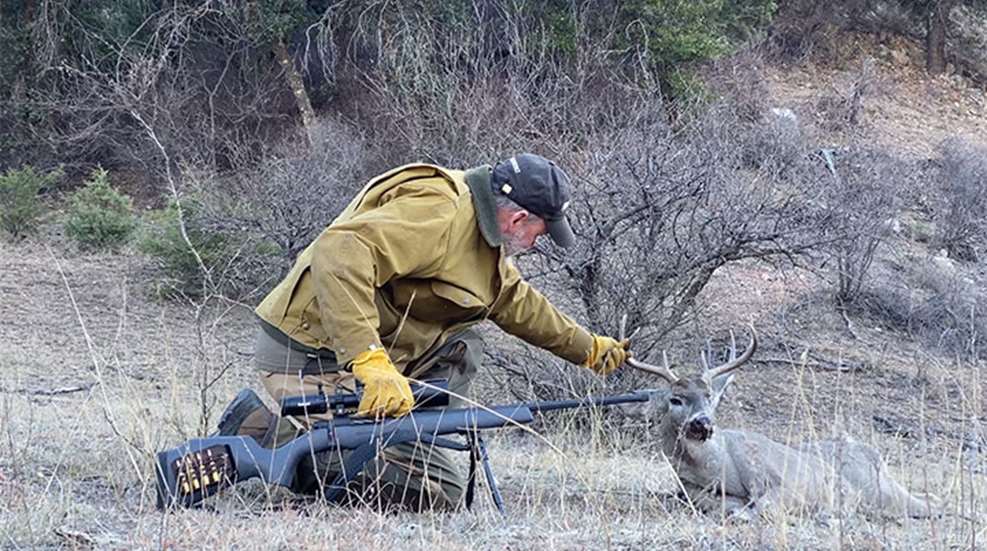
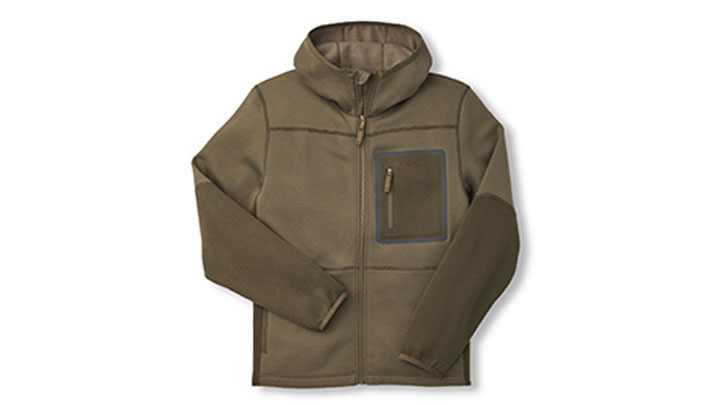
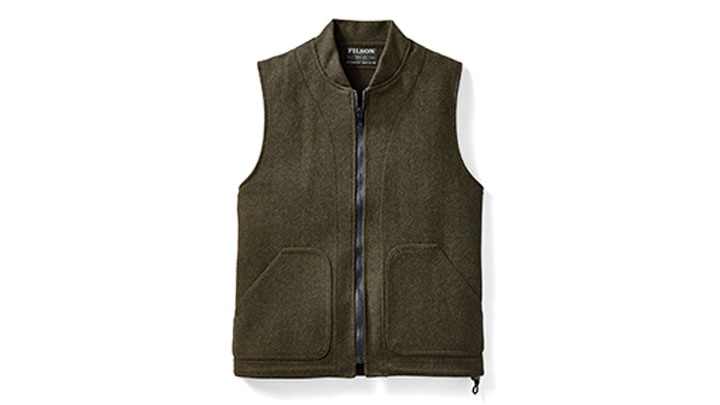
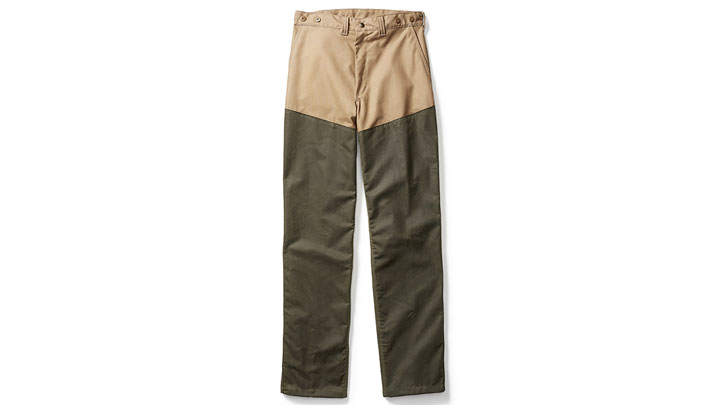
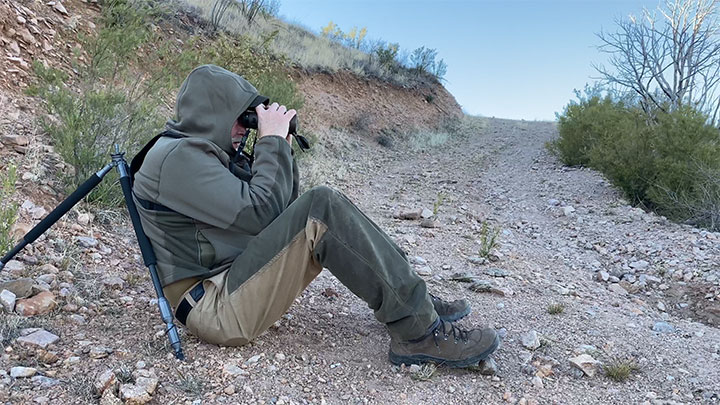
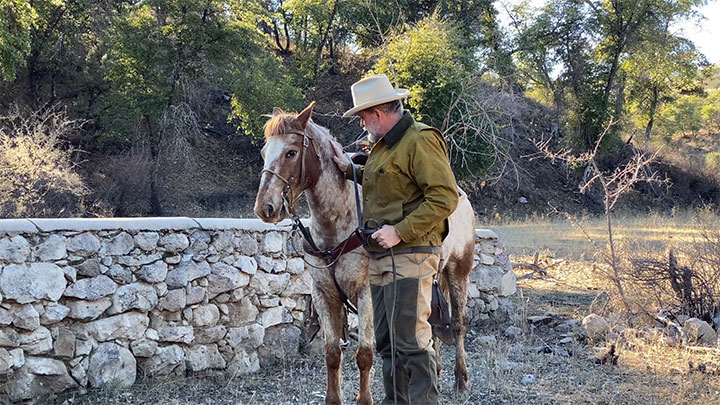
In early January I was hunting Coues deer in Sonora, Mexico. You wouldn’t expect weather below the border at that time of the year to be brutal, and I didn’t. Despite my optimistic expectations, however, our first morning dawned at 21 degrees. I was dressed head to toe in natural fibers with a Filson tag attached to them. My wardrobe, which began with a merino-wool base layer, was topped off with Shelter Brush Pants made of cotton and waxed canvas; Filson’s new merino wool/polyester Shucksan Hooded Jacket; and a Tin Cloth Jacket with a 24-ounce Mackinaw Wool Vest Liner. Sitting on a high ridge, with most everyone else begging for the sun to hurry and shine on them, I was comfortable.
By noon, the temperature reached the 30s, but the wind had picked up to a steady 20 mph with gusts to 35 mph. I spent hours glassing for the miniature deer, and while I’ll not try to convince you I was in the arms of luxury, I was astounded at how well the natural fibers kept me in the field as opposed to warming my bones in the truck. You’re probably wondering how exactly this is possible. Well, nature is a magical thing!
Wool
Wool has some unique properties. For starters, because every wool fiber contains moisture, it is fire resistant. It’s also incredibly flexible—a wool fiber can be bent more than 20,000 times before it breaks, and can be stretched as much as 50 percent of its original length when wet, or about 30 percent when dry. According to the American Sheep Industry Association, wool is comparatively stronger than steel.
Wool is also a great insulator, with the ability to keep you warm or cool. The secret is the tiny pockets of air within wool fibers that provide both insulation and breathability. Wool is also resistant to mold and mildew, and can soak up as much 30 percent of its own weight in moisture without feeling wet. This is why it can keep you warm even in the rain—the fibers naturally wick moisture away from the body. Are you starting to realize why sheep farming has been a part of worldwide human culture for so long?
Canvas/Cotton
Canvas is a very durable fabric commonly used for sails, tents and backpacks. It’s typically made of cotton, but is different than denim because it is a plain as opposed to a twill weave. There are two basic types of canvas; plain and duck, all classified by ounce per square yard and by grade. Of the two, duck canvas is the more tightly woven. In all, cotton is one of the easiest fabrics to wash—it’s soft, breathable, hypoallergenic and extremely durable.
Waxed canvas was invented by British sailors who, after observing wet canvas sails caught the wind more effectively, soaked their sails in linseed oil. This essentially made their sails windproof, and the cut-offs (extra pieces of fabric) were then sensibly used to make wind and waterproof clothing. Today, waxed canvas is produced by impregnating canvas fibers with wax.

Waxed canvas is one of the most durable and rugged fabrics available today. Due to its tight weave and wax-sealed fibers, it will protect you from thorns, briars and sharp rocks; it’s extremely tear-resistant. While not completely waterproof, waxed canvas sheds moisture very well. You’d have to spend a long time in a downpour to get wet while wearing a well-waxed canvas outer garment.
Clothiers
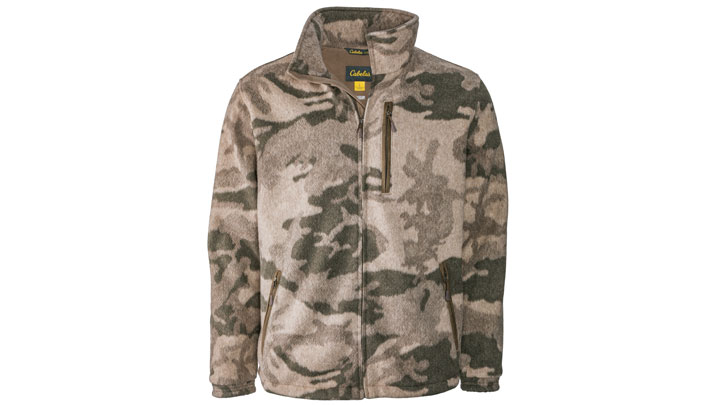
The company started by that pioneering Nebraska native, C.C. Filson, is the most comprehensive source for clothes made from wool and waxed canvas for the outdoorsman or hunter. But Filson is not the only source. First Lite, Cabela’s, King of the Mountain and Sleeping Indian all offer exceptionally fine-crafted wool clothing, some of which comes in camouflage patterns and some of which are combined with more modern materials.
For waxed-canvas outdoor apparel, there are fewer options. Orvis and L.L. Bean offer contemporary field coats. KUHL’s Above the Law pants are exceptional for all things outdoors. Alps & Meters has its fantastic Alpine Anorak, which was inspired by the Army’s 10th Mountain Division’s outerwear during WWII. But, as with wool, Filson is the best source for waxed-canvas hunting/outdoor apparel you will find.
We’ve been to the moon, drive electric cars and carry around a hand-held device allowing us to control almost any aspect of our life. However, when it comes to clothing, natural fibers like wool and cotton are just as good as—and in some cases better than—anything we can invent. Maybe that should come as no surprise. After all, when was the last time you heard a sheep say it was just too damn cold or wet to go outside?