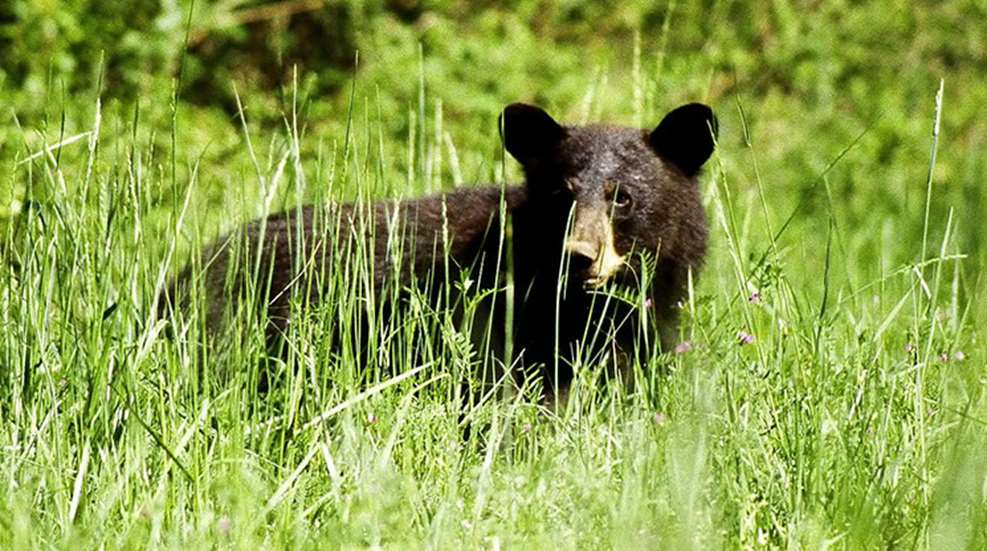
We have yet one more news report spotlighting the dangers of allowing predator populations to go unchecked. Yesterday, a 5-year-old girl was mauled by a black bear in Grand Junction, Colo., an hour from my home. According to a news report from KDVR-TV (Fox 31) in Denver, the girl’s mother awoke to the sound of screaming in the yard. When she ran outside to investigate, she saw a large black bear dragging her 5-year-old daughter. She began yelling and the bear dropped the girl, who is now recovering from serious injuries in the local hospital. The suspected bear was killed this morning.
The truth is that human-bear conflicts are on the rise statewide. As a lifelong Colorado resident I’ve personally seen as many as three adult bears on my ranch on any given day. In fact, a report from KDVR-TV last July estimated the state’s thriving bear population at 20,000. Anyone who ever paid attention in biology class knows that black bears, like any wildlife species, must be kept in check with area carrying capacity. Therein lies the problem.
In 1992, Colorado lost its spring black-bear hunting season (and the ability to hunt bears with dogs or over bait). Anti-hunting groups succeeded in putting the issue on the ballot supported by a media campaign and lies. Antis said lactating sows were being killed during the spring season so their cubs died of starvation when, in fact, only one lactating sow accidentally had been taken by a hunter the previous spring. The fact: Far more lactating sows were killed on the highway that year. The ballot measure passed despite that state wildlife biologists explained hunting was a sound bear management tool. The move stripped wildlife-management authority away from state biologists who were the ones who knew what was really happening in the field.
Last fall local landowners told me there were more than 50 bears trapped and killed by CPW in the cornfields near Olathe, Colo., alone last summer. The expanding bear population combined with the fact that dry conditions had wiped out much of the available feed in the high country kept wildlife conservation officers on the move.
Now instead of having hunters help to manage bear populations while their dollars boost the local economy during a spring bear hunting season, Colorado pays government trappers and its own CPW staff to eradicate problem bears. The irony, of course, is that bears are still being killed—just not by hunters—and the state is paying the bill.
A few years ago, a Colorado woman was killed and partially eaten by a black bear in her backyard. It amazes me that we are now paying people to trap and destroy problem bears. Before the spring bear season was banned, we could bait and run bears with hounds during the spring season. The state made money while the bears were controlled by outdoorsmen who were happy to pay for the opportunity. I think it is long past time for CPW to reexamine the possibility of a spring black bear season and get the bear population under control while benefitting from the hunters’ license fees that help to pay for wildlife and conservation initiatives.
Of course, while hunting is a common-sense wildlife management tool, it only can help to keep wildlife populations in check where it is permitted.