Most of us have done it: We wake up and head into the turkey woods before daylight, not knowing where, when, or even if there is a turkey within 10 miles, much less a turkey within an acceptable range to make a move. And, yes, sometimes you can make it work. But if you want to better your odds, a few extra preseason hours spent in the woods can make a huge difference.
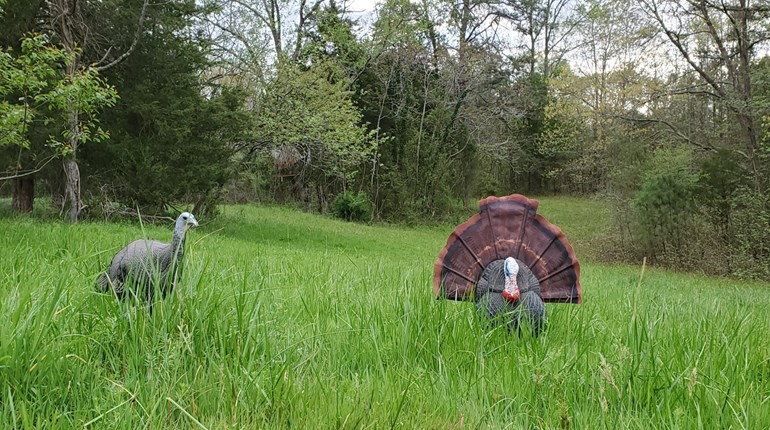
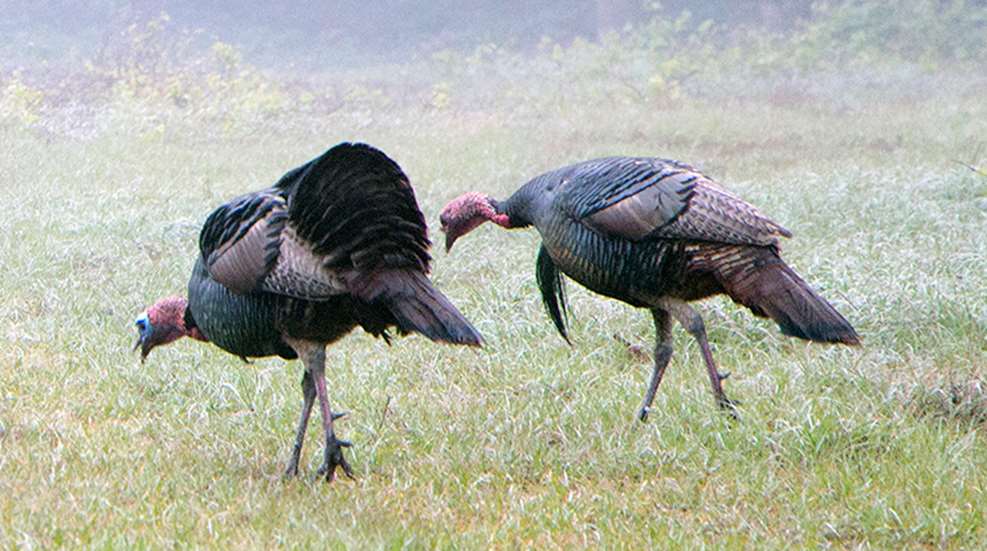
1. The only real way to get your mind wrapped around what a turkey is doing throughout the day is to spend time watching them. A great set of binoculars is key to scouting pre-season birds. I use an Athlon Optics 8x40 Ares. The 8x magnification is perfect for glassing birds at a distance and as with any high-quality glass, it is less likely to fog up in the warm spring weather. Watch them move in and out of food sources and pay attention to traveling routes. This makes setting-up ground blinds on mid-day strut zones and feeding areas much easier and also helps in determining how to set decoys within food sources to maximize visibility to approaching turkeys. Good, clear, high-quality optics help me identify individual birds that I may want to focus on.
2. Once I’ve located birds and potential ambush spots in core areas I place ground blinds, making sure to brush them in well and good. I use a layering system. I use big limbs right against the blind and, working my way out, use smaller grasses and cedar twigs to break up the outline and give added depth. Also keep in mind the direction of the sun in relation to where you will be looking. Nothing is worse than sitting in a ground blind and staring into the sun for hours on end.
3. After I have identified core areas and have a few mid-day blinds set up, I like to focus in on roosting areas. Most of the time turkeys will roost in the same general area—as long as a coyote or a lonesome hen doesn't change their pattern, of course. And, yes, spring birds do have a pattern—to an extent. They use the same fields, roosting areas and travel routes on a day-to-day basis. That being said, no matter how much homework you’ve done, a hen is a game changer in any scenario. A hot hen can take a habitual tom and lead him away on a leash. Success, in those cases, is all about versatility. It pays to have a plan if you need to make moves to cut him off.
4. Open your ears in the turkey woods and you’ll soon realize that vocalization is key to success when chasing spring gobblers. Practicing with your calls is one of the most crucial things we can do as turkey hunters. I spend weeks prior to every season with a diaphragm call in my mouth clucking, purring and yelping till I feel like I am right on pitch with that old boss hen I am trying to imitate. It helps to make sure that I can produce the calls and sounds I need to convince that old long beard that I'm in the mood for love.
5. Conditioning box calls and pot calls is a necessity and makes a huge difference in the quality and consistency of the sounds your call produces. I keep a good supply of box-call chalk and sand paper on hand before and during the season. For me, it's a night-before-the-hunt tradition to get all my calls out and get everything in pristine condition for the next day. It gets me in the right mindset and also helps me get out all the call-jitters so I feel comfortable calling when the real time comes.
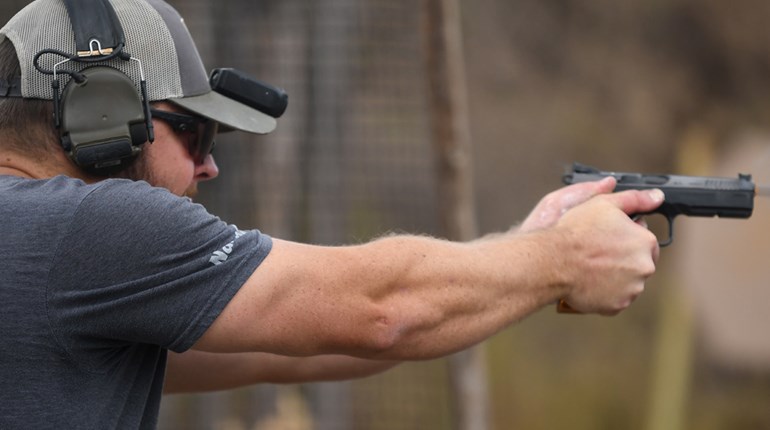
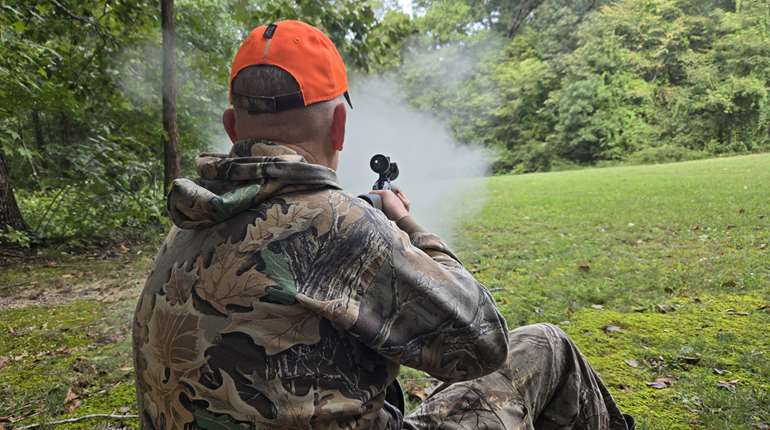
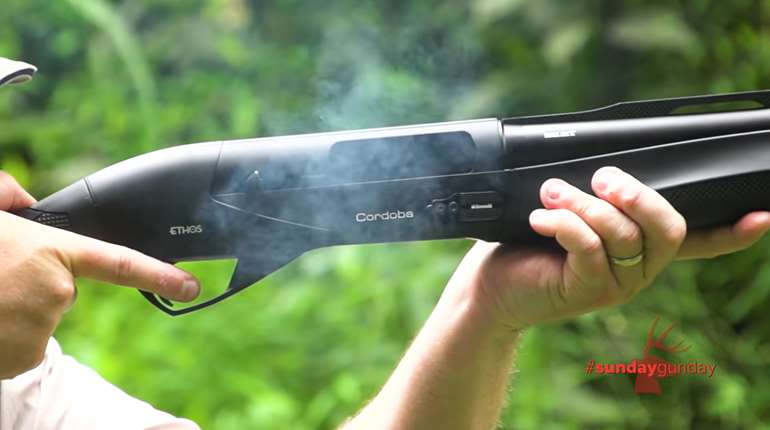
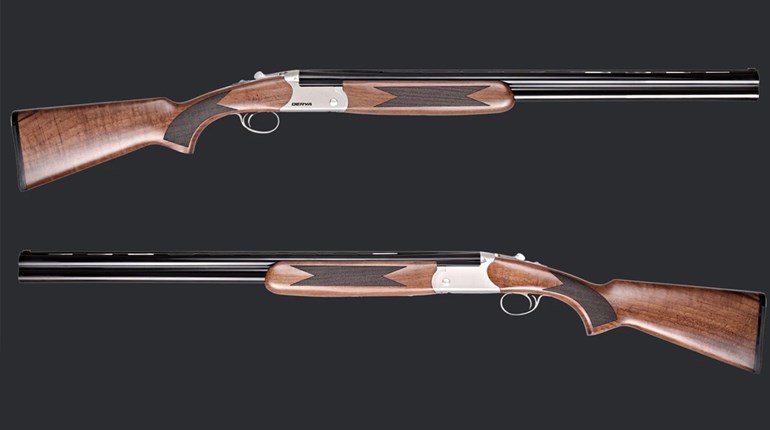
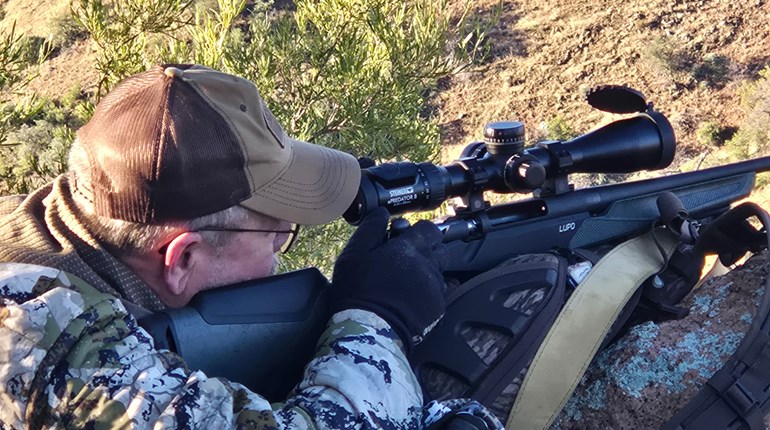
6. Last but not least: Make sure your firearm is in working order. You’d be surprised at how many times turkey hunters have hit the woods only to experience the dreaded “click” of a busted gun. Let’s be honest: Nothing else matters if you can't close the deal. A working gun is first and foremost, but to further ensure a successful, ethical harvest, it pays to pattern your shotgun and make sure your using a good combination of gun, choke and shells to get the maximum lethality from your thunderstick. I like to pattern my gun at 30 yards. But I recommend also checking it at 40, 50 and even 60 yards to see what your maximum effective range is. This can be a not-so-pleasant experience with the punishing blow of a 3½-inch turkey load. I advise any hunter to pattern their shotgun from a rest or a gun sled. This reduces recoil and in turn provides a more accurate assessment of the pattern.
In the end we can do everything right and still not bring home a bird. However, I have learned that if you spend the time in the woods and do your homework it not only increases your chance of success, but makes for a much more rewarding hunt. Anyone can get lucky and happen across a bird now and then. Knowing you did your part, knowing the skill involved in taking that trophy tom—that’s what bragging rights are all about.