The guns were oiled and put away, and the clock struck an hour when the discussion in duck camp turned to good-natured rabble rousing.
“Why is Maryland the greatest state in America?” Joe piped up, raising his glass as the rest of camp shook their collective heads. “We practically invented decoys. We serve fresh crabs with every meal. And our state dog—one we invented, mind you—is the toughest, most talented duck dog known to man, the Chesapeake Bay son-of-a-gunnin’ retriever!”
It was now up to the rest of us to deflate his spirits.
“The Chessie has nothing on my state dog,” said Norm, a proud South Carolinian. “The Boykin spaniel hunts ducks, upland birds and even turkeys. Top that.”
As you might imagine, thus ensued a debate that lasted much of the evening. Clearly one’s state dog can inspire a great deal of pride. For hunters, this is especially true—not surprisingly—if it’s a hunting breed. Interestingly, of the 11 commonwealths with state dogs, most are gundogs or have hunting origins of some kind. Here are some interesting facts on America’s state breeds with ties to hunting.
Maryland
State Dog: Chesapeake Bay Retriever
Year Recognized: 1964
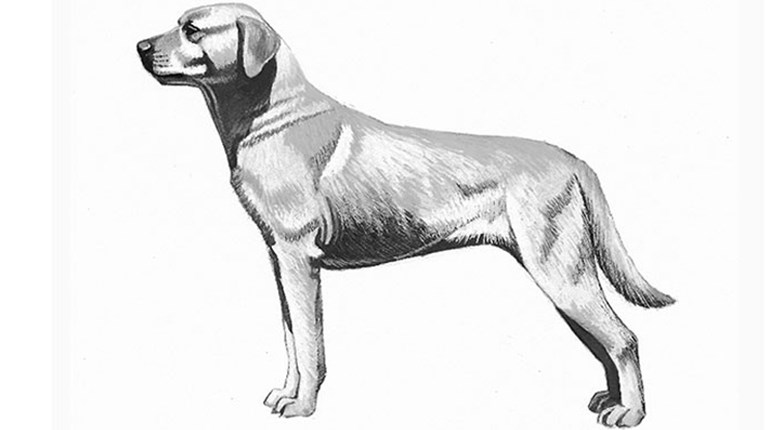
History: If there’s one state dog most hunters can name, it’s the “Chessie.” Its mysterious origins can be traced to 1807, when two Newfoundlands were rescued from an English fishing vessel sinking off the coast of Maryland. The dogs, named Sailor and Canton, were never bred to one another. In fact they were essentially sent to opposite ends of the Eastern Shore, but they formed the foundation of the Cheseapeake Bay ducking dog, as the breed was originally known. Market hunters put forth an aggressive, if not informal, breeding program that likely involved curly coated retrievers, St. John’s water dogs, water spaniels and even coonhounds. By the mid-1800s, it’s said that nearly every family in Maryland’s bay counties owned one or more Chessies.
South Carolina
State Dog: Boykin Spaniel
Year Recognized: 1985
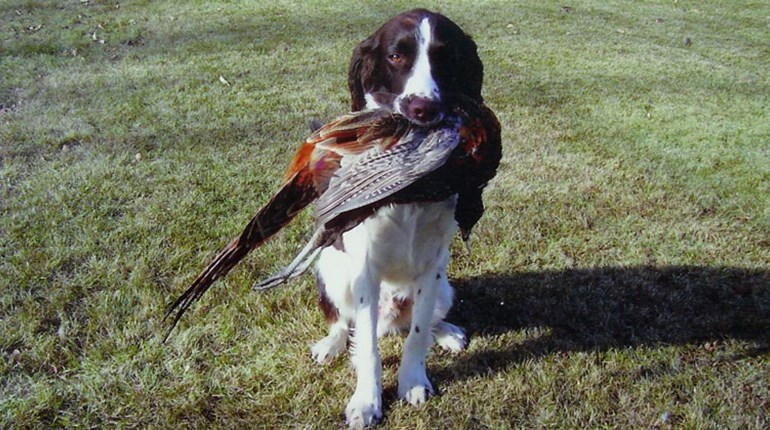
History: According to legend, during the early 20th century, a stray spaniel (the exact breed is unknown) began following a banker in Spartanburg, S.C., as he walked to church. The banker kept the dog, and soon recognized its retrieving ability. So, he gave the dog to his longtime hunting buddy, Whit Boykin, for training. Under Boykin’s tutelage, the stray became a talented duck/turkey dog and was crossed with several breeds, possibly including the Chesapeake Bay retriever, springer spaniel, cocker spaniel and American water spaniel. The resulting Boykin spaniel is a superb duck/turkey dog with an ideal stature (25 to 35 pounds) for hunting the swamps of South Carolina.
Pennsylvania
State Dog: Great Dane
Year Recognized: 1965
History: A gentle giant, the great dane isn’t hunted with very much these days, but was originally bred to chase deer and wild hogs. According to the American Kennel Club, Egyptian monuments dating as early as 3,000 B.C. appear to depict the great dane. The breed likely originated in Germany, possibly as the result of a cross between the English mastiff and Irish wolfhound. The name “great dane” first appears in literature in the early 1700s.
North Carolina
State Dog: Plott Hound
Year Recognized: 1989
History: The Plott hound’s ancestry can be traced to European boar hounds. In 1750, a German named Jonathan Plott moved to North Carolina and brought some of these hounds in tow. Outcrosses have supposedly occurred, but the breed is essentially a complete result of Plott’s family of dogs. Plott used his hounds primarily to hunt bears, which the breed is still known for today, in addition to running other big game. The Plott hound is also an accomplished coon dog.
Louisiana
State Dog: Catahoula Leopard Dog
Year Recognized: 1979
History: Records of the Catahoula leopard dog’s origins are spotty at best, but some aficionados claim it was the first breed developed in North America. The largest member of the cur family, it’s tenacious on big game, wild boar and even feral cattle. As you might expect, given the state with which it’s most closely associated, it’s also an excellent squirrel and raccoon dog.
Texas
State Dog: Lacy Dog
Year Recognized: 2005
History: It doesn’t get much more Texan than this. Herding cattle, running trap lines, blood trailing and running down feral pigs are all in a day’s work for the Lacy dog. The foundation of the breed began in 1858 when the Lacy brothers—Frank, George, Ewin and Harry—moved from Kentucky to Burnet County, Texas. According to family lore, they needed a dog with herding instincts to manage their free-roaming hogs. So, they developed a breed from English shepherds, greyhounds and—legend has it—possibly coyotes and wolves.
Virginia
State Dog: American Foxhound
Year Recognized: 1966
History: This breed with ties to President George Washington has a complicated history, but its genetic stew is mostly a mix of English and French lines. The breed was developed by wealthy citizens of Virginia and Maryland during the 18th century for—surprise, surprise—the gentlemen’s sport of fox hunting. Today American foxhounds can still be found participating in horseback pack hunts, just like those enjoyed by America’s first commander in chief.
Wisconsin
State Dog: American Water Spaniel
Year Recognized: 1985
History: First known as the American brown spaniel, this excellent all-around dog was developed in Wisconsin’s Wolf and Fox River valleys during the early 1800s. Its developers wanted a waterfowl and upland game dog with a thick, curly coat to withstand the region’s cold winters. A wide assortment of breeds are likely found in its DNA, said to include the English and Irish water spaniel, curly coated retriever, Sussex spaniel, poodle and Native American breeds.
Other State Dogs
Alaska: Alaska Malamute
Massachusetts: Boston Terrier
New Hampshire: Chinook
If you could pick a dog to represent your state, what would it be? Keep in mind, it isn’t too late. Proposals are on the table in at least three states to name an official dog, including Georgia, which may one day claim the golden retriever.