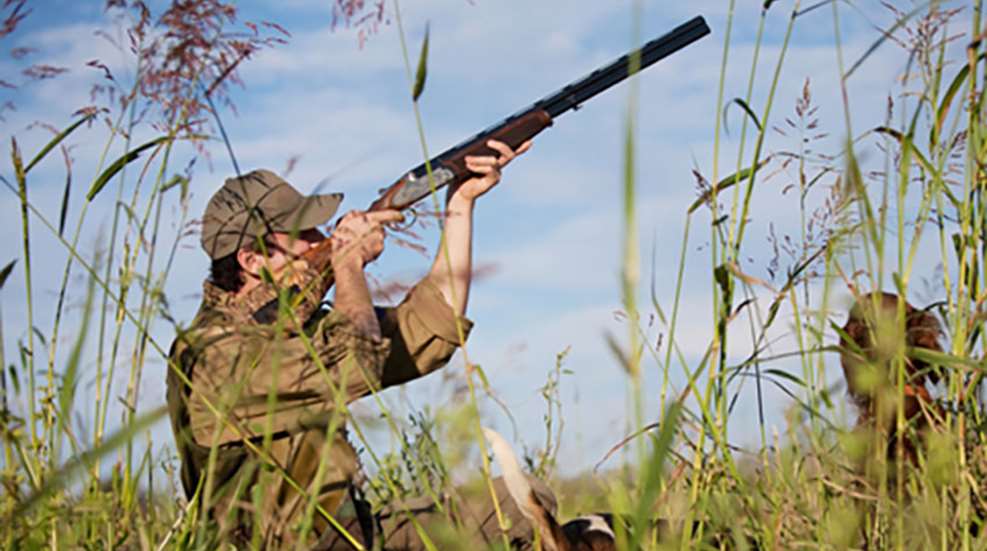
Nobody even had time to grab a duck call as the drake mallard cupped its wings and veered toward my end of the blind. It slowed its descent and exposed its chestnut breast in complete committal to the blocks. The shot was a gimme. I flipped my safety, stood to shoot and emptied my gun. The duck flew away unscathed.
We all miss, and the occasional spectacular whiff actually adds to the enjoyment of wingshooting. However, frequent misses can be downright frustrating, especially if they’re of the so-called “unexplained” variety. So, think back to the shots you missed last season that continue to haunt you. I’ll bet you made one (or maybe even a few) of these common mistakes.
You Looked at the Barrel
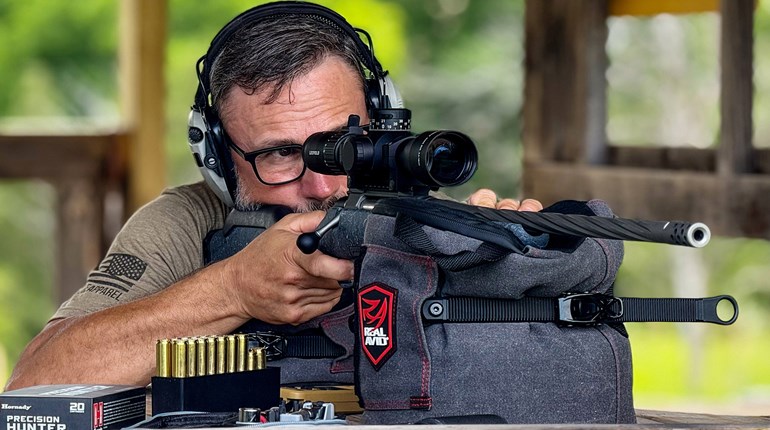
Wingshooting is an instinctive art. You focus on the bird, smoothly mount the gun and let your brain do the rest. There’s no aiming. That big noggin of yours has a built-in calculator with the amazing ability to spot an object (i.e. a pheasant or duck), judge its speed, path and distance and predict where it will be in the near future. If you let the calculator do its job, it will help you unite bird and shot at a precise moment. However, if you look at your barrel while swinging your gun in an effort to actively determine lead, you interrupt the message your brain is receiving about the speed of and distance to the bird—and you miss. This mistake is common to folks who learned to shoot a rifle long before they picked up a shotgun. They’re accustomed to focusing on a front sight or scope reticle rather than the target, and therefore the idea of instinctive shotgunning feels awkward to them. So, resist the temptation toward “barrel awareness.” You can do a lot of things wrong, but as long as you intently focus on the bird as you mount your gun, you’ll still shoot better than most.
You Pulled Your Head off the Stock
If you shoot a shotgun correctly, your shot pattern is directed to wherever your eyes are focused. What’s a great way to ensure things go awry? Pull your head off the stock as you pull the trigger in a reflexive effort to watch the clay break or bird crumple. Some shotgunners fight this temptation throughout their lives, believing it to be just a bad habit, but for many it’s probably a symptom of “barrel awareness”. Think about it: If your eyes are focused on the bird rather than your shotgun barrel, why would you need to lift your head to see it drop?
You Didn’t Move Your Feet Properly
How many times have you witnessed a beginner practically corkscrew himself into the ground trying to swing on a swift-flying bird that zoomed by at a sharp angle? All he had to do was turn with an unmounted gun, plant his feet and take an easy going-away shot, but his feet were moving (and in turn so were his eyes) throughout the entire awkward swing. This is an extreme example, but all shotgunners can use the reminder to move their feet and set them prior to the shot. As the bird flushes, take a small step with your left foot (for a right-handed shooter) toward the spot where you intend to shoot the bird, not to the spot where the bird flushed. Your swing, especially on a right-crossing bird for a right-handed shooter, will feel remarkably smoother and more agile, and you’ll never experience the horrid sensation of running out of room to swing.
You Rushed It
Some of the best advice I was ever given came from Gil Ash of the OSP Shooting School, who told me to “slow down and enjoy the shot.” So often we feel that we must hurry to shoot before the bird escapes. Birds do fly quickly after all. But we can only move so fast before things start to go haywire. Your form breaks down, your eyes are drawn from the bird to your swiftly moving barrel and all you end up doing more quickly is missing the shot. This error may explain why so many hunters seem to be deadly on their second shot yet hardly ever connect on their first. Slow down, take your time and, as Ash first demonstrated to me on a clays course, the bird itself will seem to slow down. It seems counterintuitive, but if you mount your gun more slowly, it will seem as if you have more time to shoot. When you try to shoot quickly, your senses perceive that everything around you is moving faster as well. So slow down and enjoy the shot.
Your Gun Mount Was Sloppy
Look at the bird. Mount the gun. Pull the trigger. Instinctive shotgunning is really that simple, but a sloppy gun mount renders the technique impossible. Mounting the shotgun needs to become second-nature to you, for if it is a conscious effort, your brain will focus on mounting the gun rather than focusing on the target. Get to know your shotgun during the off-season. You’ll be amazed how much your form will improve if you spend just 5 to 10 minutes a day a few times per week practicing the “flashlight drill,” which was popularized by Ash and others. Get yourself a little Maglite flashlight, tighten the beam and insert it into the barrel of an unloaded 12-gauge shotgun. Direct the unmounted shotgun’s flashlight beam at the corner of a ceiling within your home. Next, smoothly mount the gun toward the corner, carefully keeping the flashlight beam as steady as possible on the corner. If the beam waves all about, you know your mount is sloppy, but don’t fret: Practicing this drill will steady it right up.
You’re a Duck Hog
Okay, maybe that’s a little harsh, but I’ll bet when you’re hunting with other waterfowlers and someone calls the shot, you shoot faster than you would if you were hunting alone. It’s human nature to be a little competitive, even if it’s not a conscious decision. This leads to rushed shots and distracted senses as you fire amid your buddies’ salvos. So, here’s another Gil Ash trick: Never be the first in the blind to shoot. “How many times does everyone shoot and nobody hits a duck until their second shot?” Ash said. “As your buddies rush to shoot, you slowly, smoothly mount your gun.” Have you ever noticed how the ducks momentarily hang in the air after the first shot volley? That’s a great time to take your first shot.
You Closed an Eye
When I’m shooting well, I couldn’t tell you all the specifics of my technique. Things just seem to fall into place without conscious effort. But when I’m shooting poorly—really poorly—I start to panic, close an eye and aim. At that point all I do is miss even more.
You may have the same problem. This is yet another symptom that often results from America’s love affair with the rifle. From the time you owned your first BB gun, you took careful aim with a closed eye. So naturally you began doing so with a shotgun. Unfortunately, while it’s possible to hit a few birds in this manner, you’ll never reach your full potential. Keep your eyes open—force yourself if you have to—and your brain will naturally judge depth perception and other spatial factors regarding your target that will help you connect with it.
You Fell For a Marketing Ploy
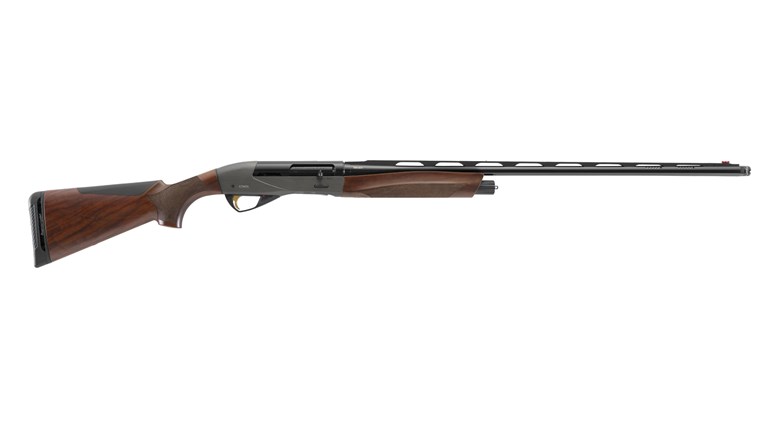
Think that fiber-optic bead will help you hit your target? That’s a marketing ploy, because in wingshooting you shouldn’t focus on anything but the bird or clay. If anything, a big, shiny bead will actually impair your shooting, because it distracts the eyes and brain from the target. And, while some shooters believe they can simply perceive the bead in their periphery, in reality your eyes cannot focus on two objects at once. Stick to a subtler white or brass bead, or try covering your bead with a piece of black electrical tape so it blends in with the barrel. The importance of focusing on the target and allowing your brain to put the barrel where it needs to go cannot be stressed enough.