It takes a certain kind of dedication to sit in a chair from dark to dark for five days straight. My blind was so small that I could not stand up straight, so even stretching my legs was not an option. Instead I sat, bundled against the cold, and waited.
If you want to tag a big Saskatchewan whitetail, this is what you do. If you’re lucky, you shoot your buck early. If not, you wait until the bitter end, which is what I did.
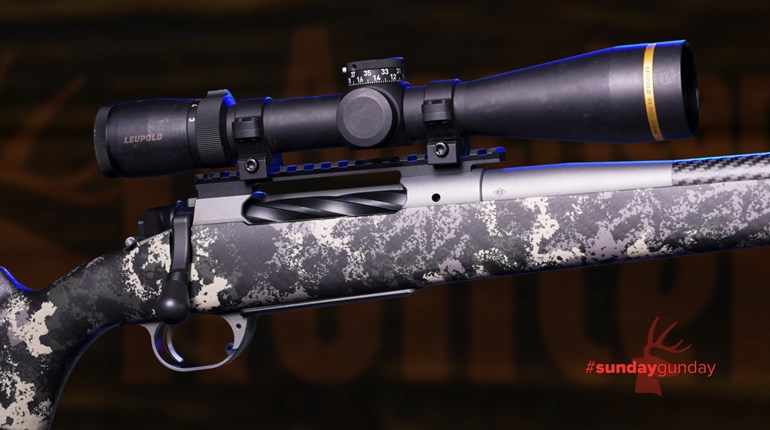
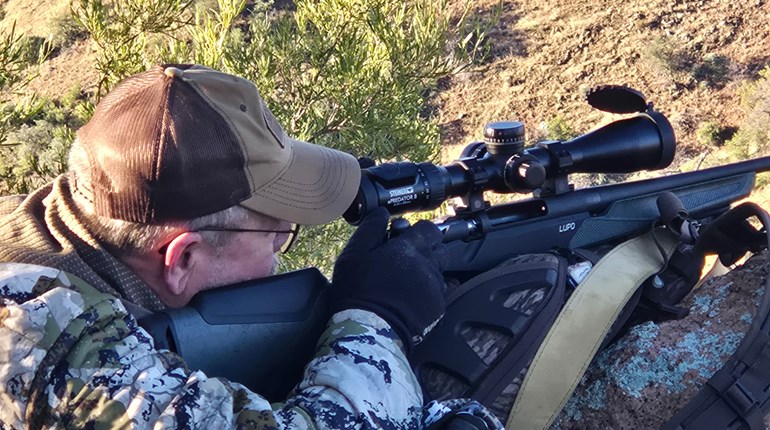
It happened fast at mid-afternoon on the last day. If I had not been paying attention, the buck would have come and gone without my noticing. He came in, took a look and left. I had a couple of seconds to get my rifle lined up, and when he passed through an opening in the trees, I shot. I knew I hit him a little high and that worried me. But when I went to where he was when I shot, there was a blood trail that Ray Charles could have followed. It was short, and it ended with a big 9-point whitetail awaiting my arrival.
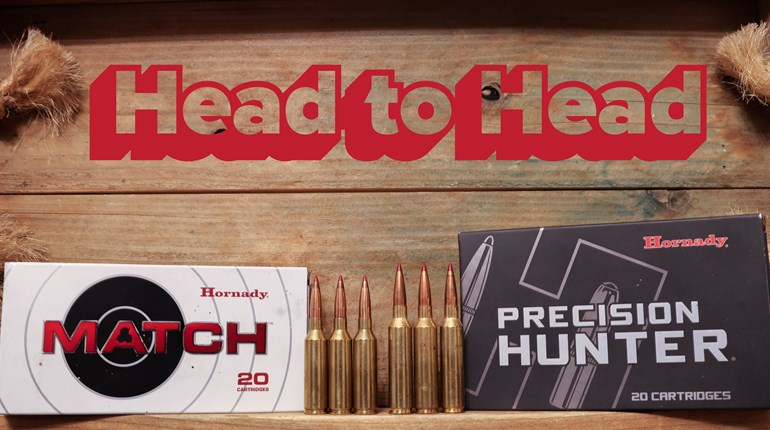
This was my intro to a new bullet designed specifically for whitetail hunting: the Power Max Bonded.
According to Glen Weeks, Winchester’s guru of new ammo products, the goal was to find the ideal bullet for deer hunting and sell it at a low price point. “We already had Power Point, which has been successful for years, at the entry-level price. We have XP3, Accubond, E-Tip and several other bullets at the premium price. We wanted to provide a high level of performance that is priced in between, but closer to the entry-level pricing. We did that with this bullet.”
For the record, Cabela’s sells a 20-round box of Power Point .30-06 for $20.99. Power Max Bonded is $21.99. E-Tip is $38.99.
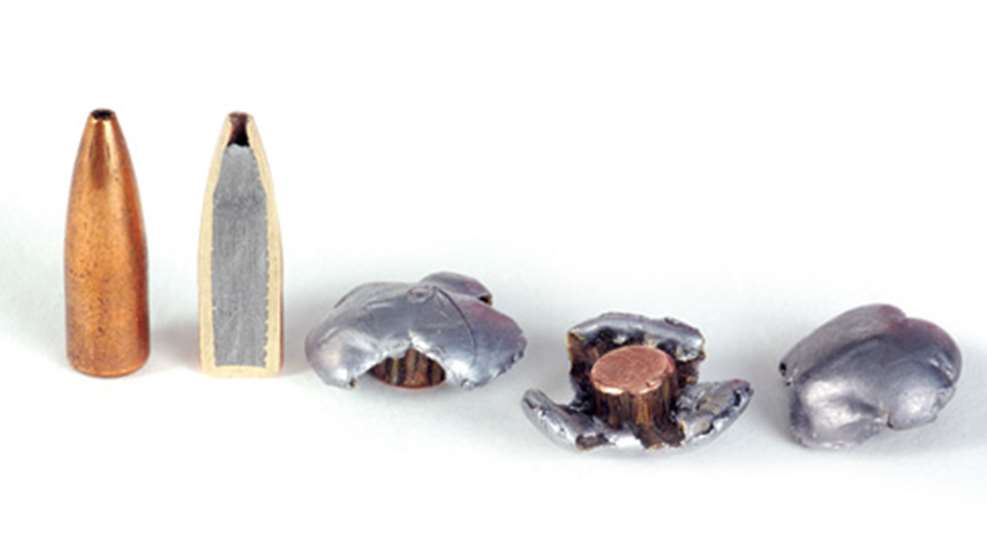
The Power Max Bonded uses a gilding metal jacket (95 percent copper, 5 percent zinc). The core is a soft lead alloy with 1.25 percent antimony. The jacket and core are bonded together the same way you solder pipes. That is, they are cleaned, fluxed and then heated. Once the bonding is complete the bullet is fully formed by using a series of dies. The result is what Winchester calls a “protected hollow-point” bullet.
That had me concerned at first because hollow-points are usually used as target bullets. I asked Glen about it and he told me that it’s difficult to consistently form an exposed lead tip in the bullet after bonding. Other bullets use this same hollow-point design, but they insert a plastic tip. That looks sexy, but also drives up manufacturing cost. Weeks and his team designed this bullet to perform the same way as a polymer tipped bullet, but without the extra expense of installing the tip. This bullet is designed to expand to a very large diameter, very quickly. The idea is that deer, in the grand scheme of things, are not all that big, so why not punch a really big hole. Even if penetration is not deep, it’s deep enough to go through a deer.
I tested this concept by shooting a 150-grain bullet from a .308 Win. into Perma-Gel at point-blank range. With a muzzle velocity of 2850 fps, this is the same impact velocity that a .300 Win. Mag. has at 150 yards. I shot three bullets, which penetrated an average of 16 inches. This is about half the penetration that you would expect from an expanding solid bullet like the Winchester/Nosler E-Tip. The reason penetration is less is because the expanded diameter is a lot bigger. The average diameter of the three recovered bullets was .769 inch, which is 2.5-times expansion. This huge frontal area disrupts a lot of tissue and creates a big hole and an even bigger temporary wound cavity. If you are a hunter who worships at the altar of hydrostatic shock, this is the bullet for you.
Retained weight averaged 134.5 grains, which is 90 percent. This only varied one-tenth of a grain either way. This is outstanding consistency and very good weight retention for such a large-expanding bullet. That is probably why I had complete penetration through the chest of my big Saskatchewan buck with the 180-grain bullet fired from a Blaser R93 rifle in .300 Win. Mag. I like two bullet holes in my game, one in and one out. I also like a lot of damage between them. This bullet did that very well. I like it for that and for letting me finally get out of that chair and stretch my aching bones!