

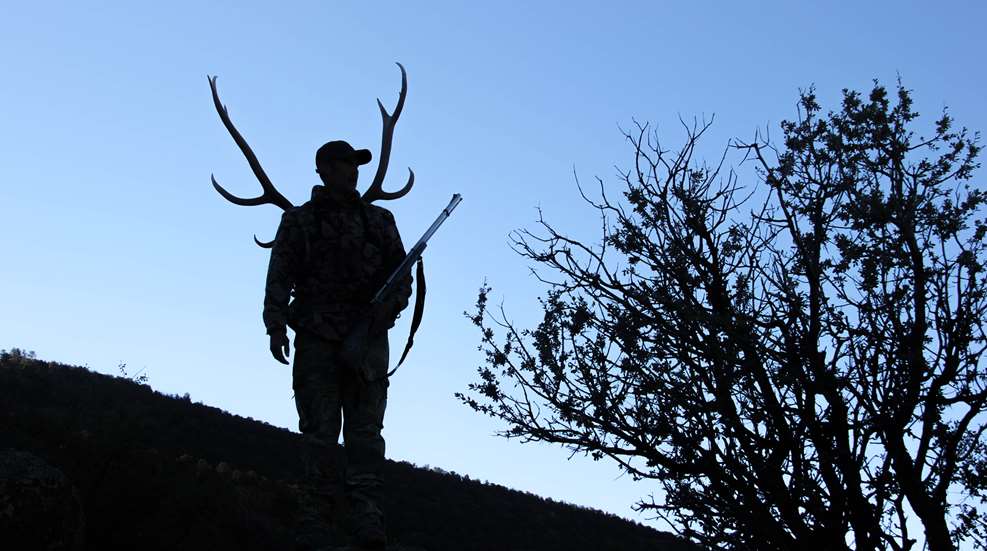
5 Things I Wish Someone Had Told Me Before My First Elk Hunt
I grew up hunting whitetails in the Midwest, and while I thought I was in “elk shape” on my first western hunt, I quickly learned that chasing elk at high elevation requires an entirely different level of fitness. You’ll likely hike for hours, oftentimes at high elevation, and many of trails you’ll follow are filled with deadfall and uneven rocks. If you’re fortunate enough to fill your tag, the real work starts.
Hunting October Whitetails
Curious how to hunt whitetails in every phase of October and November? Check out Frank Miniter's tips and tricks for bagging a big one.


Tips for the Deer Season Opener
Curious about how to hunt early season? Mike Roux shares some hard-learned tips for how to tackle it no matter your neck of the woods.


Hunting Small Game: An Overview
Curious how to get started in small game hunting? Red on as Tim Hovey reflects on how small-game hunting shaped his development as a hunter, taught him patience, stalking, shooting and fieldcraft. He describes hunting rabbits, squirrels, hares, and marmots in Idaho, highlighting the challenges unique to both rimfire and shotgun. He also recounts introducing his daughters to hunting, and encourages experienced hunters to revisit their small-game roots.

Planning a DIY Antelope Hunt
The tag is drawn. Now what? Here’s how to prepare for your first self-guided antelope hunt.

Bagging Birds: How to Hit More Doves
No one wants to be the butt of jokes from friends on the dove field. Read our tips to be the hot shooter on the field this season.


Don’t Glance At Elk Wallows … Study Them
Curious about how to read an elk wallow? Follow along as Scott Haugen translates this important signpost for you.


How To: So You Want to Shoot a Moose!
Looking to DIY a moose hunt? It's a rewarding experience, but there are quite a few things you should know before you go. Here is a primer from someone who's been there.


Shooting Close: How to Play the Short Game
The trend these days is to “go long” but the truth is, if you’re doing it right, most shots taken by hunters are anything but long range. You’re better off practicing your short game.


Know How: Find Your Long-Range Limit
Curious where your ethical limit is in the field? Mark Kayser shows you exactly how to find it.


Interests


IN THE SPOTLIGHT


EXPLORE MORE NRA PUBLICATIONS












