

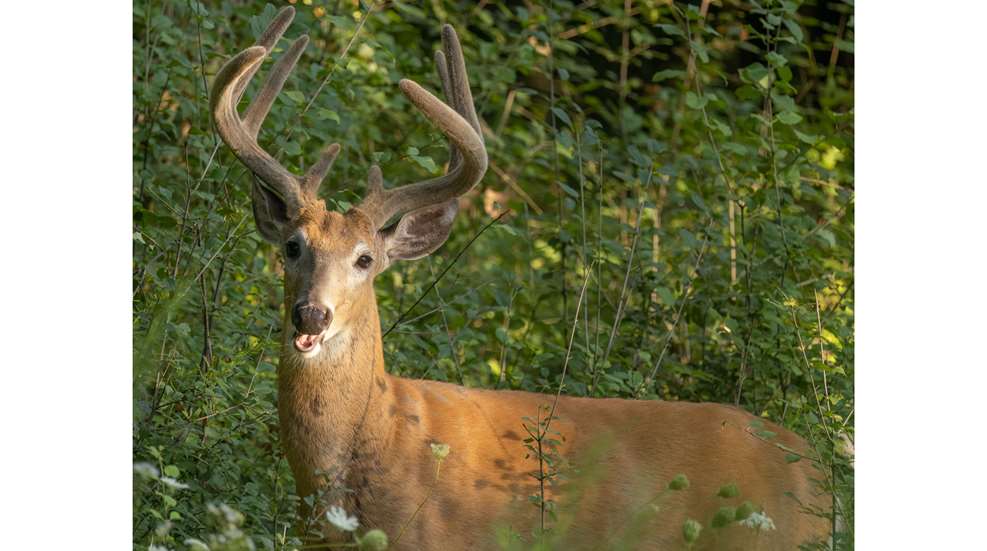
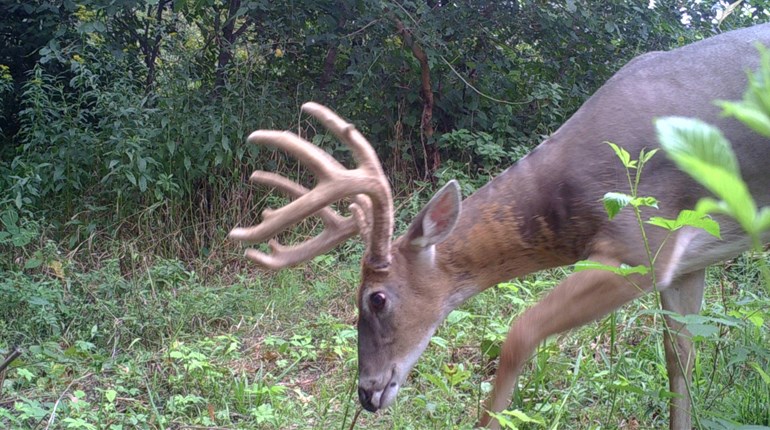
What Summer Buck Sightings Tell Us
Dreaming of fall? Here are some things to look for during your summertime scouting.
Turkey Tactics: Scout Now for Spring Gobblers
Want to find success this spring? Get on the ground now and start scouting for those springtime Toms.


Pre-Season Spring Gobbler Scouting Tips
The investment made in the weeks leading up to spring gobbler season can make the season fruitful and result in a punched tag. Get afield now, scratch that itch to hunt and get ready to bag a gobbler!


The Value of Post Season Scouting in the Snow
Although for most of the country deer season is over, there are some important aspects of deer hunting to be understood, particularly when it snows during the winter months. In my part of the country, we don’t often get a good blanket of snow until the deer season closes. However, when it does snow, I make a point to get outdoors and visit each of my hunting areas to learn when the learning is best.

Three Whitetail Traps to Set for Close Shots
Your whitetail hunting location may be as expansive as a national forest or as small as an uncle’s 40-acre woodlot. In either scenario, whitetails have a knack for slipping by just out of shooting range. Whether using a firearm or archery equipment, you do have options to lure whitetails closer. Consider setting a trap this season for your best opportunity at an ethical, in-your-face shot.


Moultrie Introduces A.I. Scouting
Moultrie has integrated its new A.I. into the Edge 3 and Edge 3 Pro cellular trail cameras.


Run-n-Gun Ducks: Tips for Scouting and Understanding Bird Movement
The best early-season waterfowl hunting depends on scouting and understanding bird movement as the birds’ preferred food sources shift, and employing the right equipment to hunt the range of situations in which you find birds.

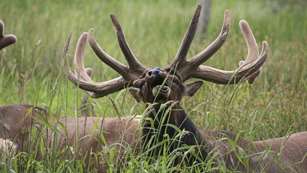
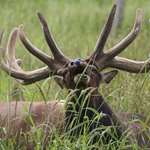
Tips & Tricks: Scout Early for Bucks and Bulls
Curious about summertime scouting? Read on for why this is the perfect time to find bucks and bulls where they live.
Know-How: Hunt Like a Military Marksman
Most hunters will never attend the U.S. Army Sniper School in Ft. Benning, Ga., or similar courses conducted by other branches of our military, but the basic elements of this type of training should be recognized as worthy techniques for any hunter to take to the field. Here are a few elements from their playbooks we can pocket for future success.


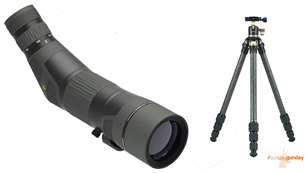
#SundayGunday: Leupold SX-4 Pro Guide Spotting Scope and Alpine Tripod
Get a closer look at the Leupold SX-4 Pro Guide Spotting Scope and Alpine Tripod, the latest addition to our #SundayGunday series.
Interests


IN THE SPOTLIGHT


EXPLORE MORE NRA PUBLICATIONS












