Before we get into the “meat” of this article, let me quickly tell you what prompted the interview I am going to share with you. In 1943 my Great Uncle Buster (Harlan Hanson) came home from the War in the Pacific. For years prior to his deployment, deer hunting in Missouri was closed due to a terribly low deer population. The season reopened in the fall of 1944.
Uncle Buster did not have a rifle, but he was able to borrow an old .35-caliber Remington from a neighbor. His friend gave him the gun and the only three rounds of ammunition that he owned. The rifle had no front sight. It had broken off.
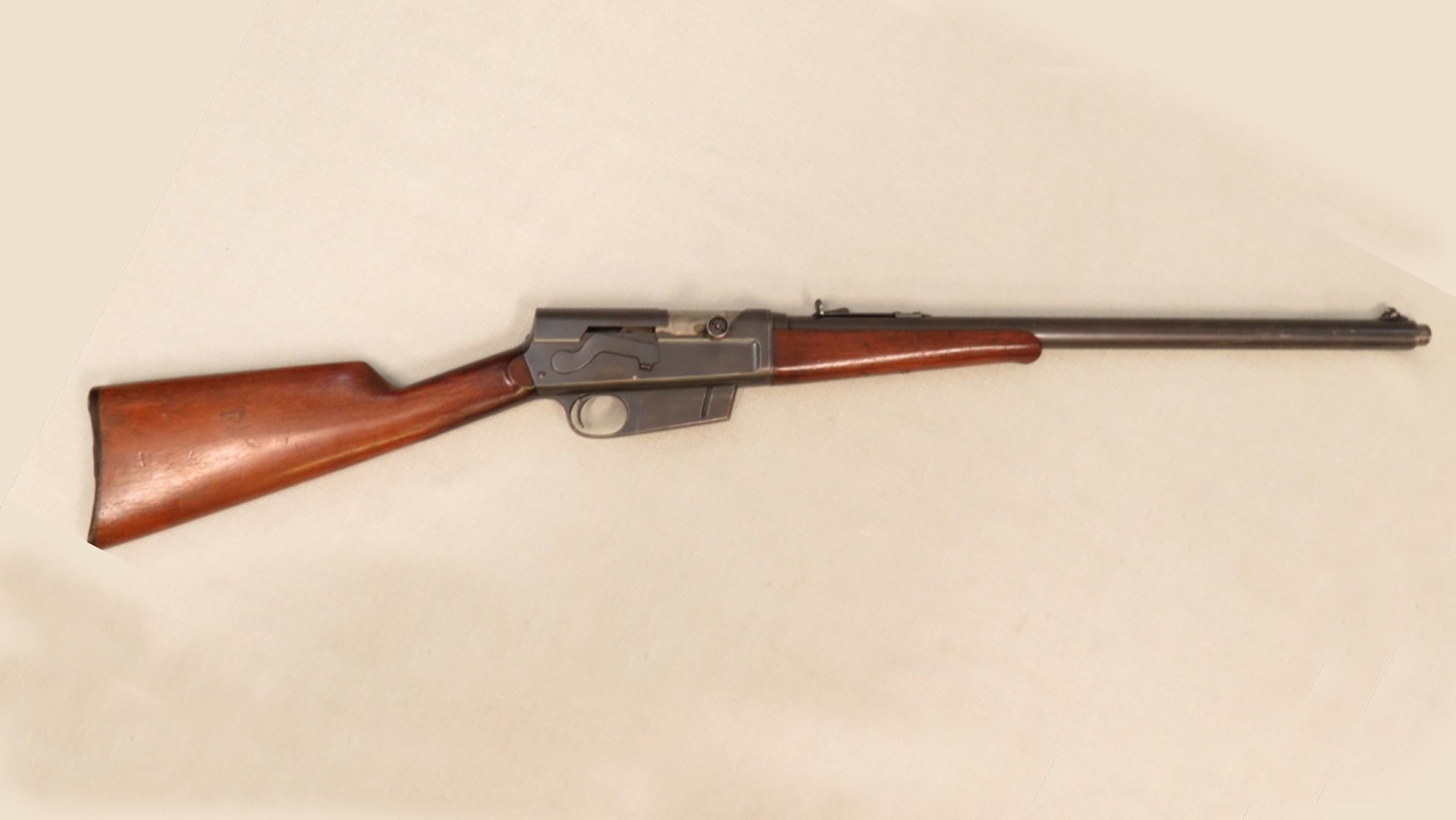 The .35 Remington
My uncle put a nickel in a vice and took a hacksaw and cut the coin in half. He then welded half of it onto the top of the rifle’s barrel, for a front sight. He fired a single round to sight-in the old gun.
The next morning my uncle shot an 8-point buck and was the very first hunter to check a deer at the Washington County, Missouri check-in station. Uncle Buster returned the old Remington, one shell and half a deer to his neighbor.
My dad and Uncle Buster taught me to hunt deer in the mid-60’s. Back then, the whitetail rut in the Midwest was 7-10 days in the first part of November and 9-out-of-10 fawns were on the ground by Memorial Day.
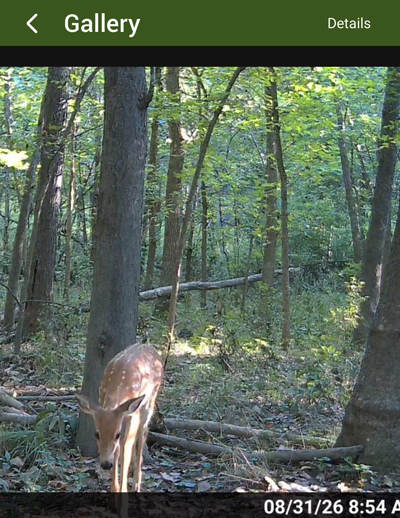
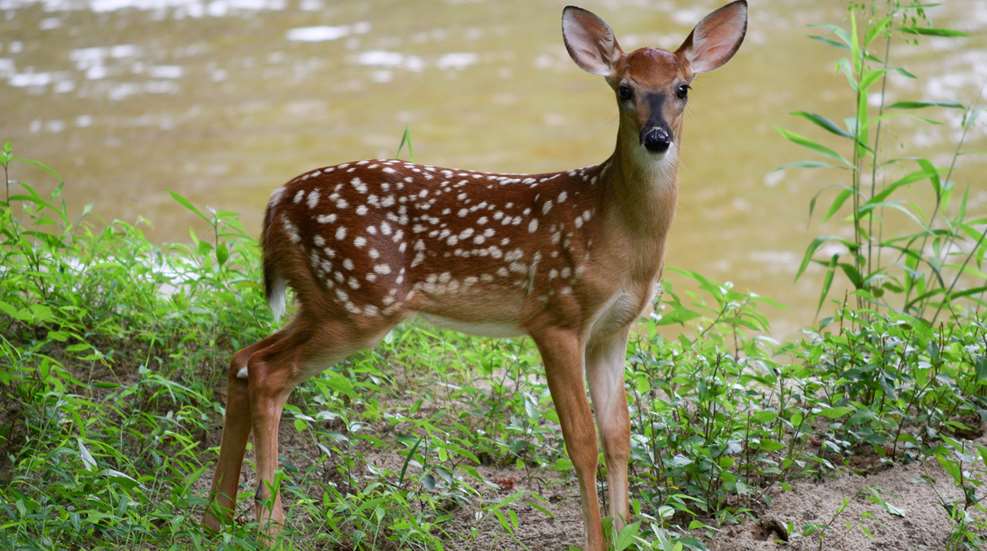
All of this leads to the question that triggered an interview to answer my whitetail question of the year. That question is: Why are we seeing so many new fawns in August and September? I took this question to a true authority on whitetail deer.
Jason Isabelle is a Whitetail Deer Biologist with the Misouri Department of Conservation. I met Isabelle in his office in Columbia, Mo., and he allowed me to pick his brain and tap into his knowledge and experience with the Midwest Whitetail.
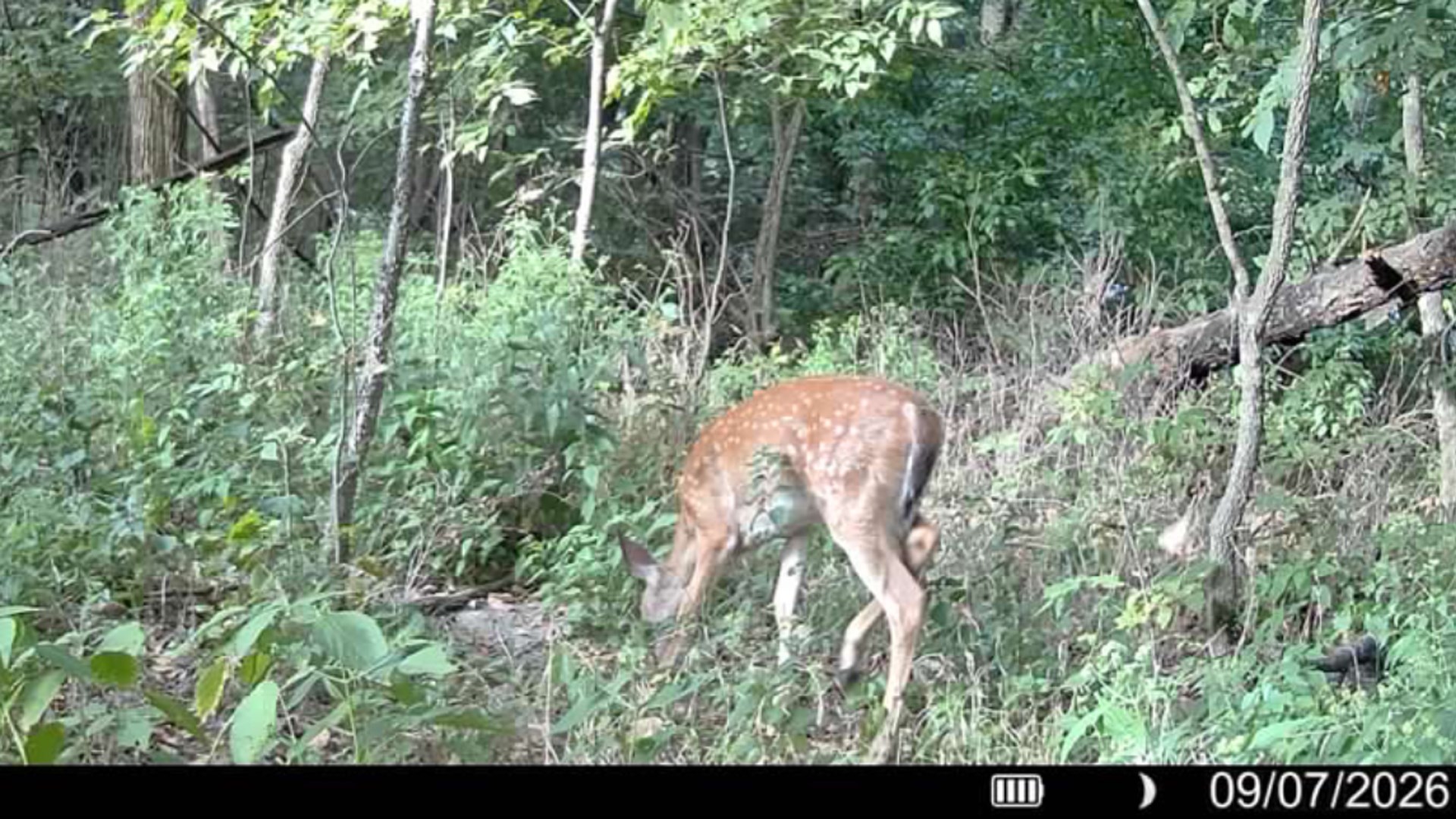
To my first question about the late fawns, his answer knocked me off my feet. “Why,” I asked Isabelle, “am I and others in my hunting network, seeing so many really late fawns?” He immediately asked when and how I was seeing these fawns? I told him from trail camera photos.
He said, “Nothing at all has changed in the timing of fawn births in decades.” He continued, “Your trail cameras are not giving you NEW information, they are giving you MORE information.” He said, “The heat index today is close to 100-degees. How many of your guys do you think are in the field scouting today? None, right? But you are still getting pics from your trail cameras.”
What I heard made me feel a bit foolish for asking. But it makes perfect sense. I then asked Isabelle how many times a doe will cycle through estrous? “For several months.” was his response. “However,” he added. “The longer she goes without being bred, the lower her chances of conception get.”
He then explained the buck’s role in the late breeding cycle. He told me when a buck drops his antlers in January or February or March, his testosterone levels bottom out. Even if a doe does hit an estrous cycle in February or March, there may not be a buck around that is still able to service her. So much information!!
As we talked about whitetail deer I asked him about a heard management philosophy of mine to see if it’s accurate. I told Jason that for several decades I have been working with landowners and outfitters in many states to both improve their deer numbers AND to grow bigger bucks. I asked him if my instruction to “Shoot Does!” is appropriate?
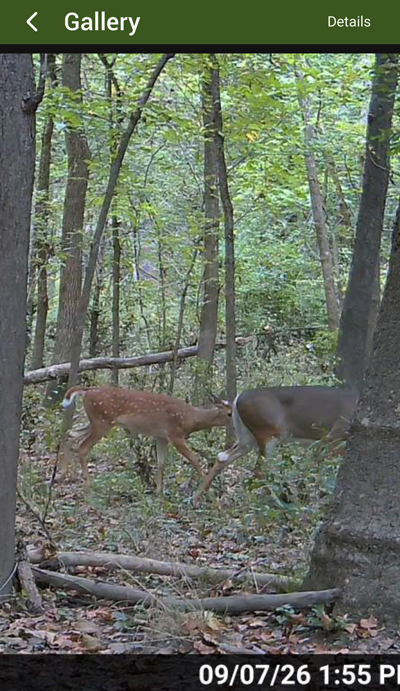
My practice is to encourage everyone to harvest a doe with fawns before the rut. My experience shows that as a mature doe begins to come into estrous, she will physically abuse her fawns to run them off before aggressive bucks arrive to breed with her. It is her maternal instinct to want to protect her offspring from harm.
If she has twin fawns, one buck and one doe, the little doe fawn will go over the ridge and wait for mom to come find her. Not so for the buck fawn. He is wired differently. When mom runs him off, he will likely leave the farm. Or leave the area. Or even leave the county. The very best way for to have both of those fawns grow up on your property is to harvest mom in the early archery or early antlerless firearms season before the rut starts.
Isabelle agreed wholeheartedly. “Shooting female deer early in the season with fawns is a great management tool,” he said. Then he made another interesting point; “But remember,” he said. “The buck fawns that mom runs off as estrous approaches leaves your property. Other does from all over the country are doing the same thing, and some of their buck fawns may well end up on your property. It is a matter of give and take.” Point well-made and well taken.
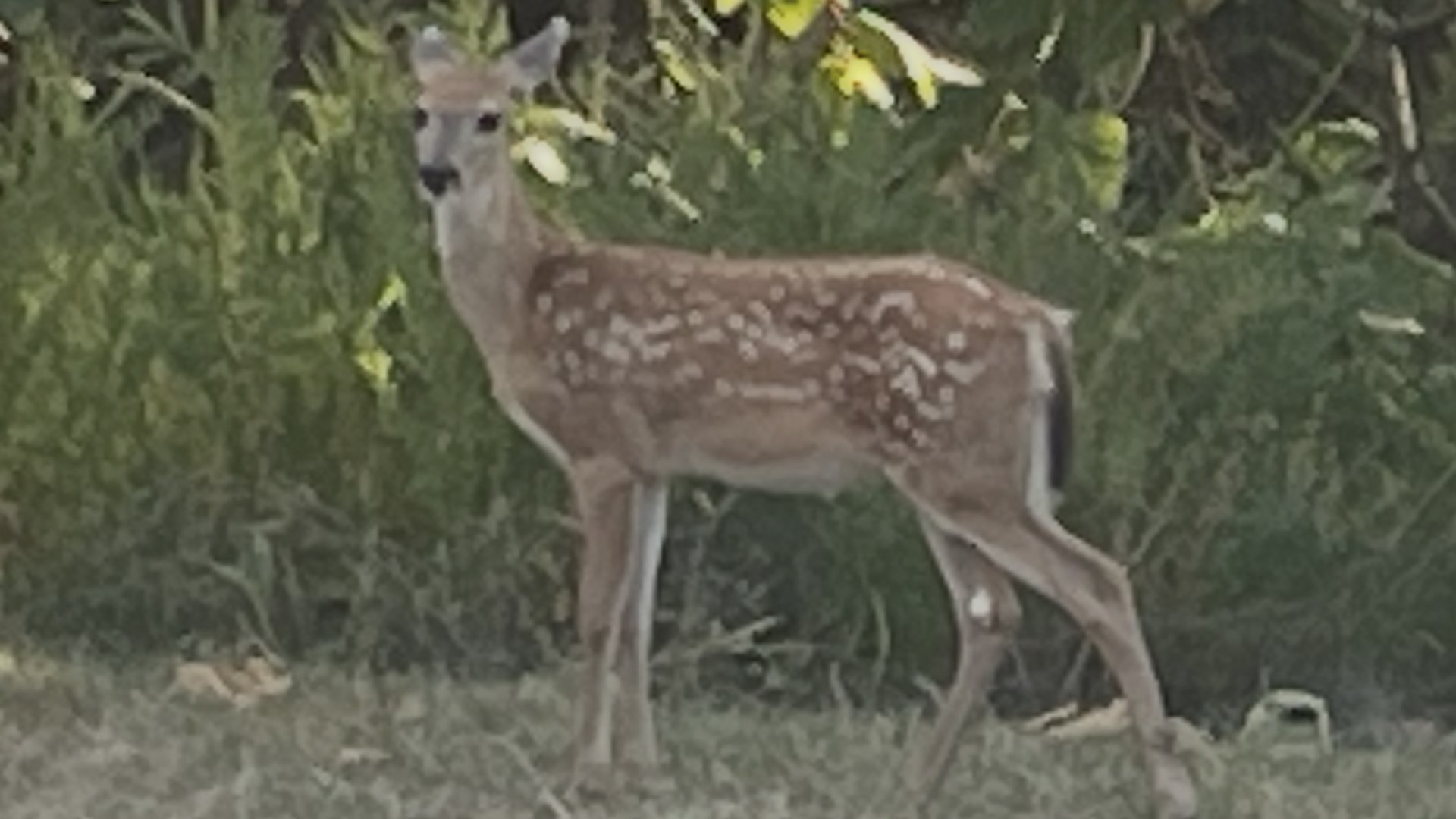
There was no possible way I was going to leave a conversation with a deer expert without asking about CWD. There are just so many varying opinions on this topic. Isabelle said the CWD is of great concern, depending on where in the Midwest you live. Some counties, in some states, are literally fighting to save their deer population from being exterminated by CWD. Others, like Missouri, are battling to keep the disease from ever getting that bad.
“That’s why we have specific regulations that differ from county-to-county,” he said. “We treat every county as its own region, and we adjust the regulations based upon that county’s specific needs.” The effort of Missouri’s intent to prevent the spread of CWD and never see it hit epidemic levels is commendable.
The final topic we discussed is near and dear to both of our hearts. We talked about how to get today’s youth as excited about deer hunting as we both were as kids. The sad truth is all too often a lack of mentorship. Loss of private hunting land and loss of older family members to take kids hunting is very unfortunate. That is why many states have instituted Youth Deer Seasons and Mentored Youth Hunts.
It is vital to the preservation of this sport to encourage our youth to get outdoors and experience the grandeur of what God has given us. “Keeping the tradition alive” is the moto of our YouTube channel, Mid-Mo Reapers. I highly recommend that you check us out and subscribe.
Most Popular