Henry Repeating Arms is synonymous with a diverse selection of high quality, American-made firearms including lever-action rifles, shotguns, break-action single shots and, as of 2023, double-action revolvers. The very first model out the door was the H17 Big Boy chambered in .357 Magnum, followed by the Golden Boy chambered in .22 LR in the fall of 2024.
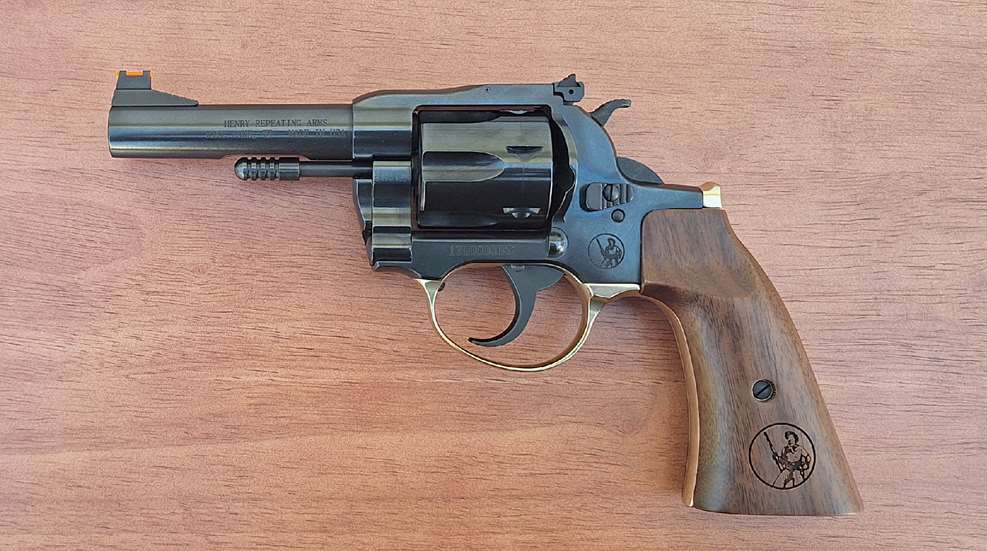
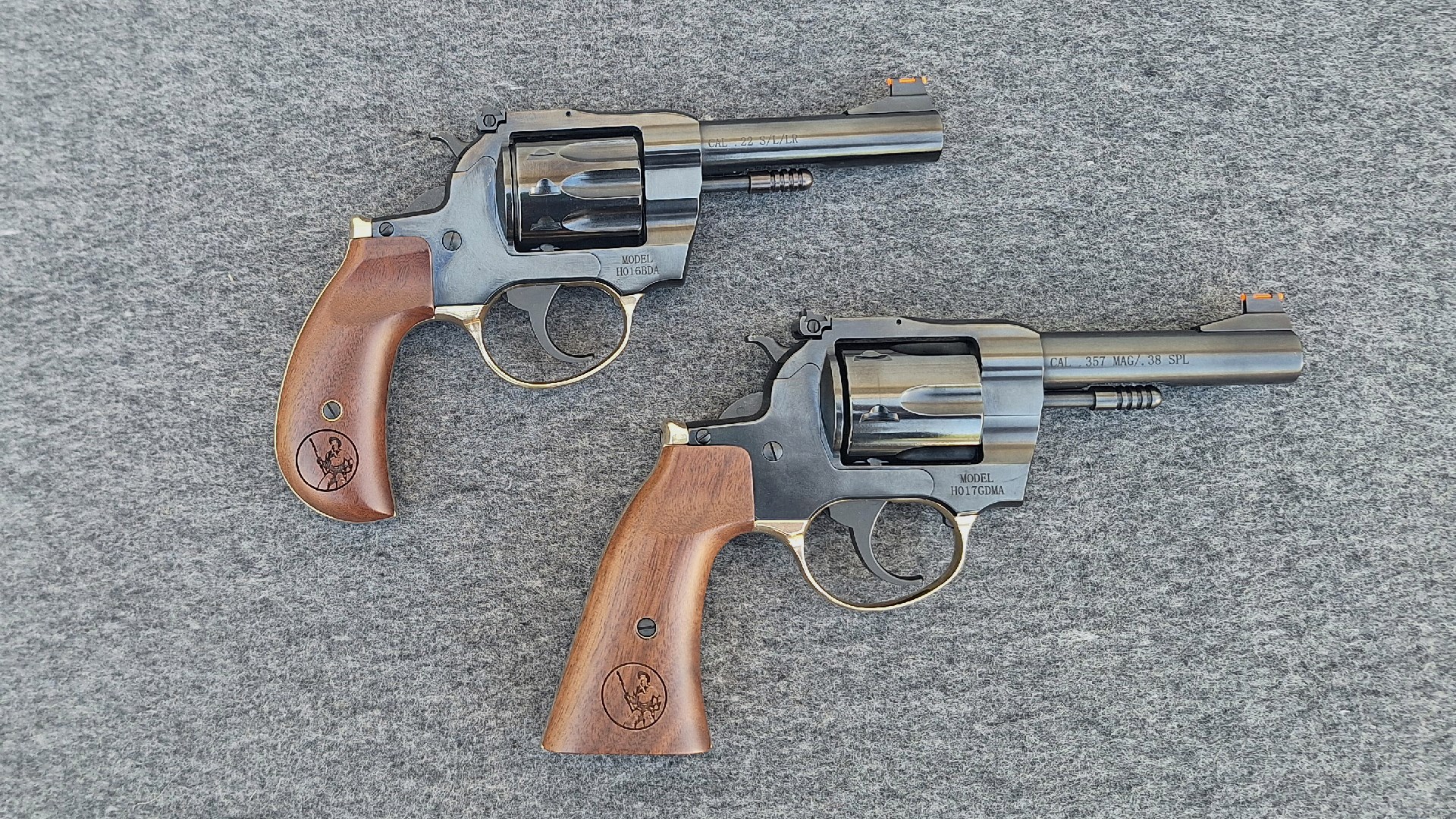 Two grip frame shapes are available, including the Birdshead (Top) and the Gunfighter (Bottom).
When it was announced that Henry would be offering wheel guns, I was eager to see what features the company would offer. Sure enough, the Big Boy and Golden Boy models look as if the company took one of their classically styled brass-receiver lever guns and put it through a revolver press. The Big Boy features blued steel, polished brass and smooth walnut in all the right places. In addition to being classy, this company's revolvers are just as smooth and reliable as their long guns.
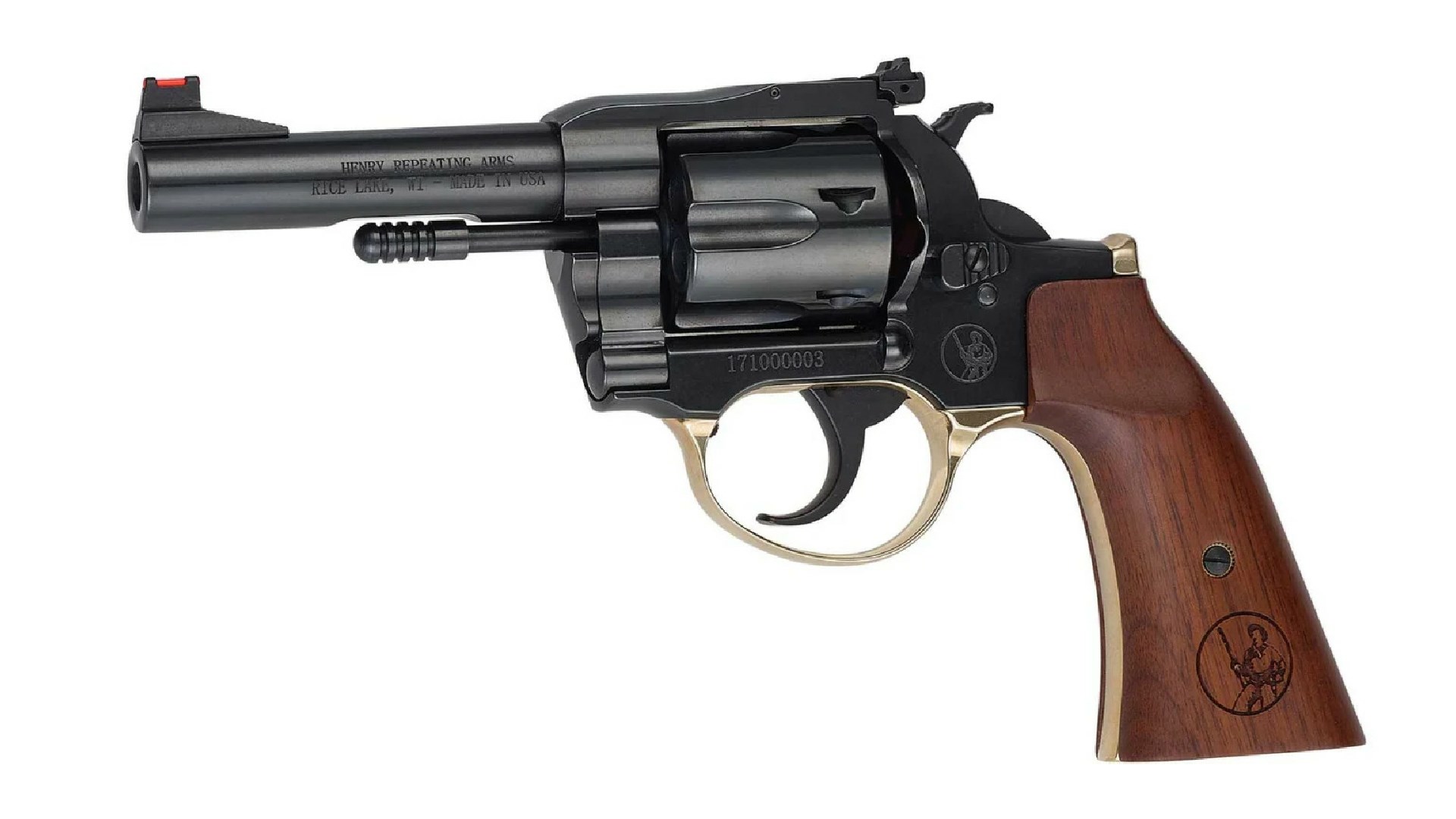 Built tough, the Big Boy Deadeye enjoys features influenced by classic revolver designs.
But if the original Big Boy had a limitation, it was the rudimentary fixed sight set. A fixed narrow blade sight up front is paired with a top-strap groove that terminates with a milled-in square notch to form the rear sight. It's a functional set up that is certainly usable for more casual shooting and collectors. But for folks who are looking for a revolver that is more of a workhorse than a show piece, it’s not the best fit.
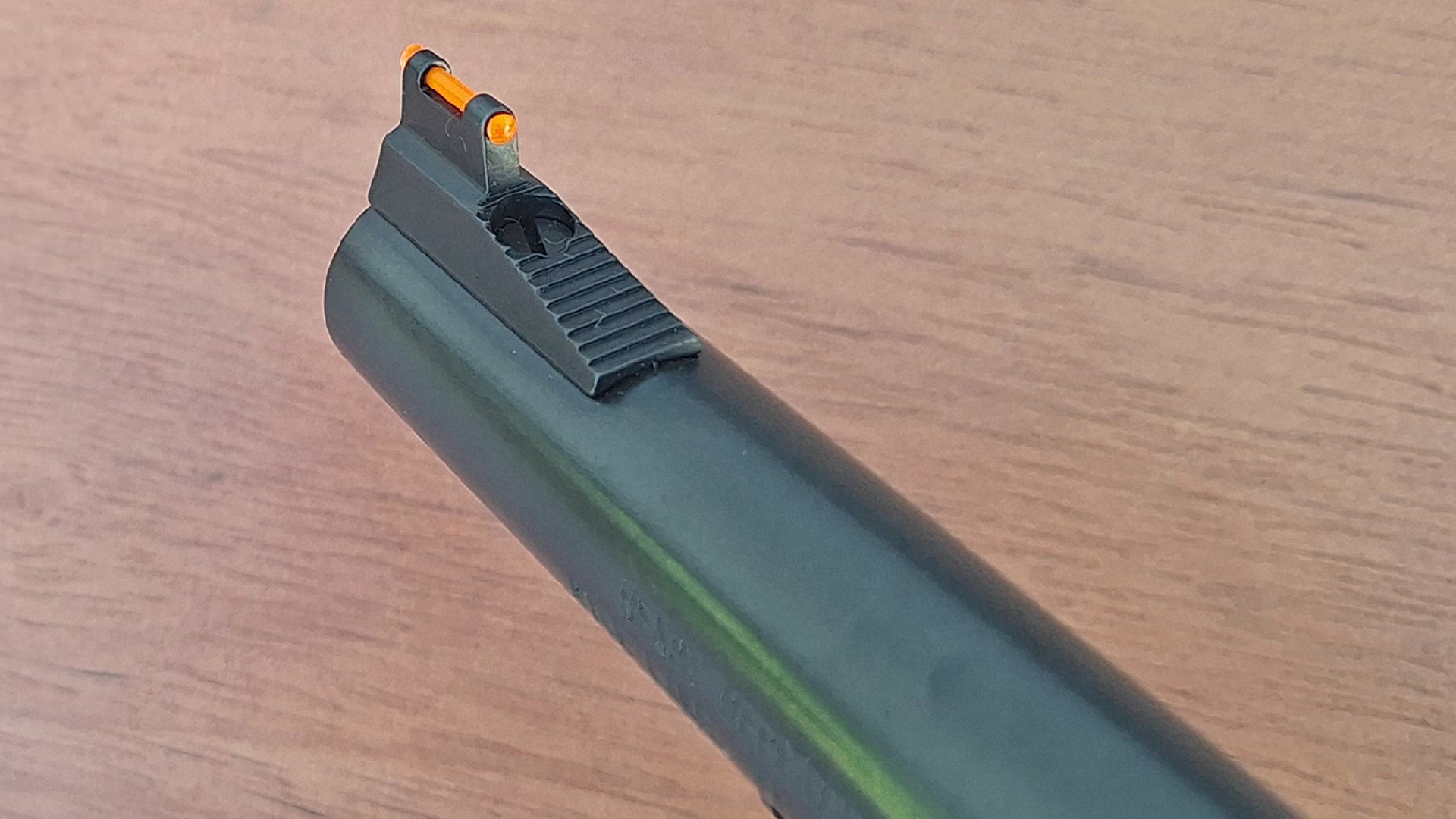 The Deadeye version sports an updated fiber optic front sight.
This year Henry has updated both the Big and Golden Boys with modern sights. Dubbed the Dead Eye models, they sport a bright, useful fiber-optic front sight. The rear sight notch has been replaced with a fully adjustable square-notch rear sight assembly which is dove tailed and pinned into the frame. Are these new, up-to-date sights enough of a modification for outdoor enthusiasts in search of their next trail or field revolver to choose a Henry? The short answer is yes, yes it is. But to put that statement to the test, I requested a Big Boy Dead Eye model to put through its paces at the shooting range.
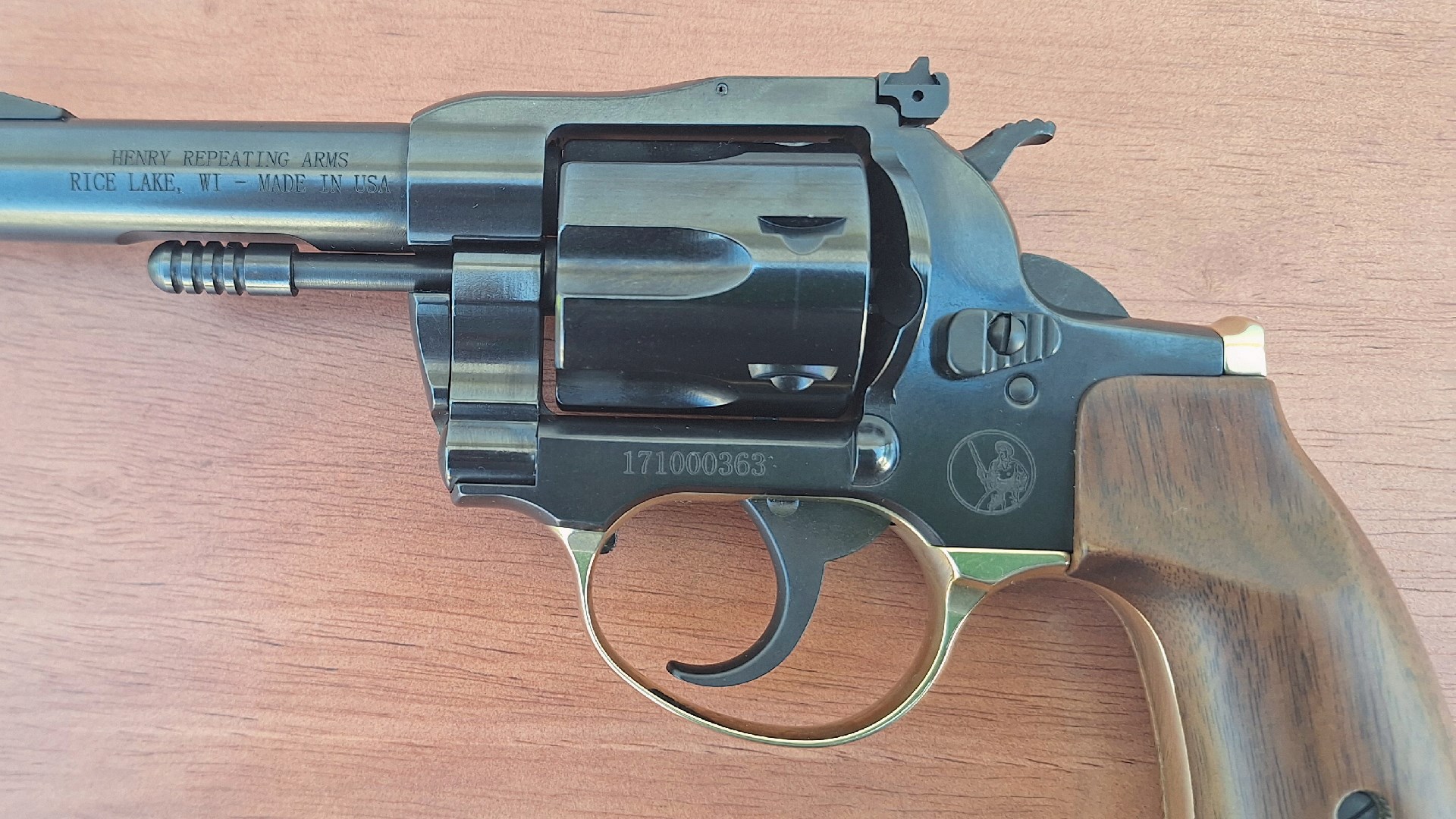 Like their lever guns, Henry revolvers leave the factory with smooth actions and controls.
Other than the change to the sights, this latest iteration of the Big Boy is the same medium-frame, double-action revolver that draws from a mix of design influences. Although it embraces some 19th-century aesthetics, it is a burly, made-to-shoot revolver constructed primarily from a durable carbon steel alloy using modern methods. This means it can comfortably accommodate a regular diet of .357 Magnum ammunition.
The steel components, including the barrel, cylinder, receiver and controls, are treated to a polished blued finish. The 4-inch long barrel sports an un-tapered round profile. Much like other early double-action revolvers, the grooved head of the ejector rod is left exposed since there is no under lug to shroud it. Instead, a shallow cutout along the bottom of the barrel allows the rod to rest a bit higher so as to reduce the chances of the rod snagging when holstered.
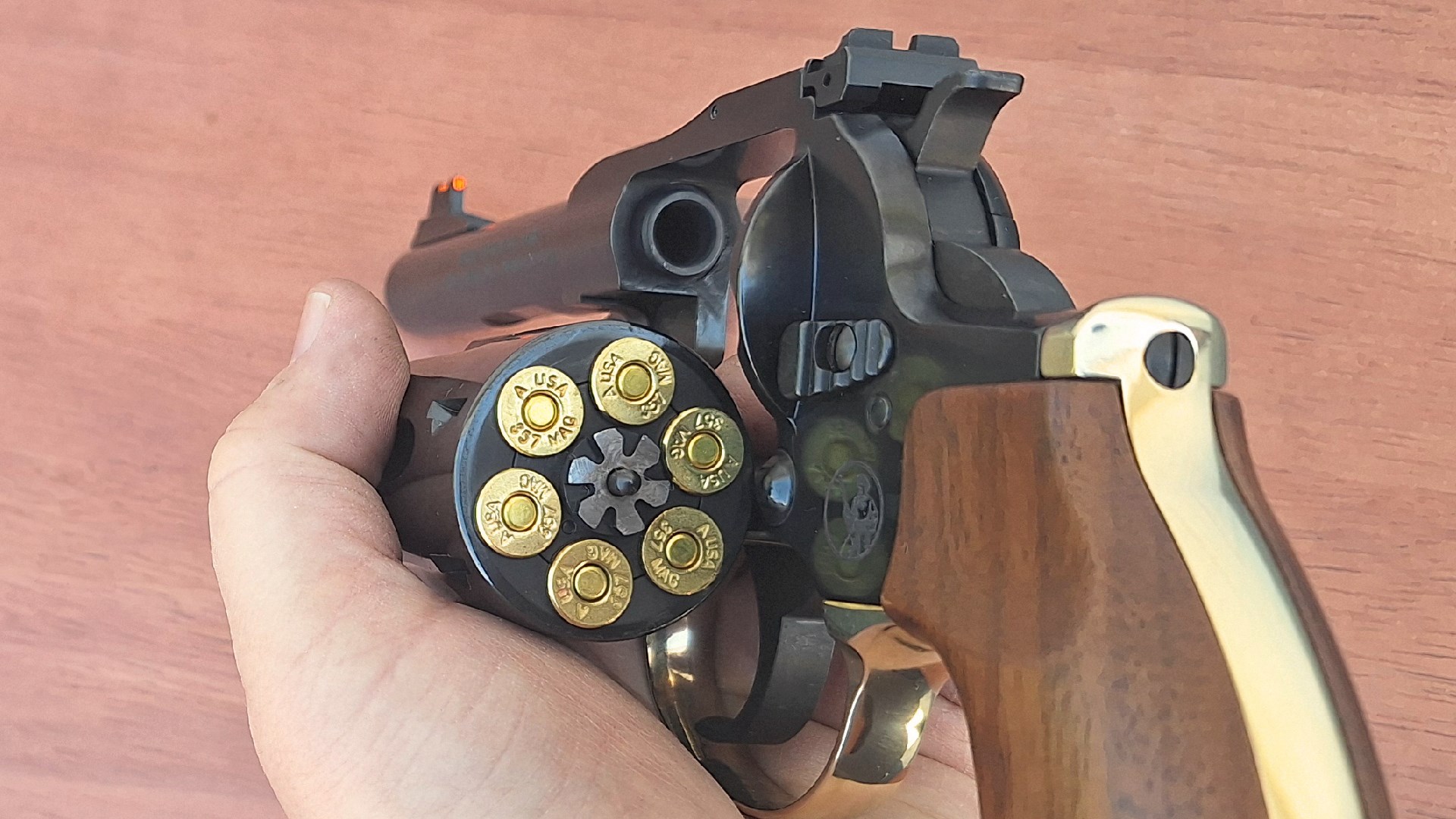 The fluted cylinder holds up to six rounds of .38 Spec. or .357 Mag. ammunition.
The fluted cylinder is of the traditional six-shot variety. It rotates in the more common counterclockwise direction and swings out to the left side of the frame when the wedge-shaped, left-side cylinder release is pressed forward in order to open the action. The front of the cylinder yoke is fitted with a spring-loaded ball detent which provides a tighter lockup when the action is closed. This revolver also has a highly uncommon second cylinder release.
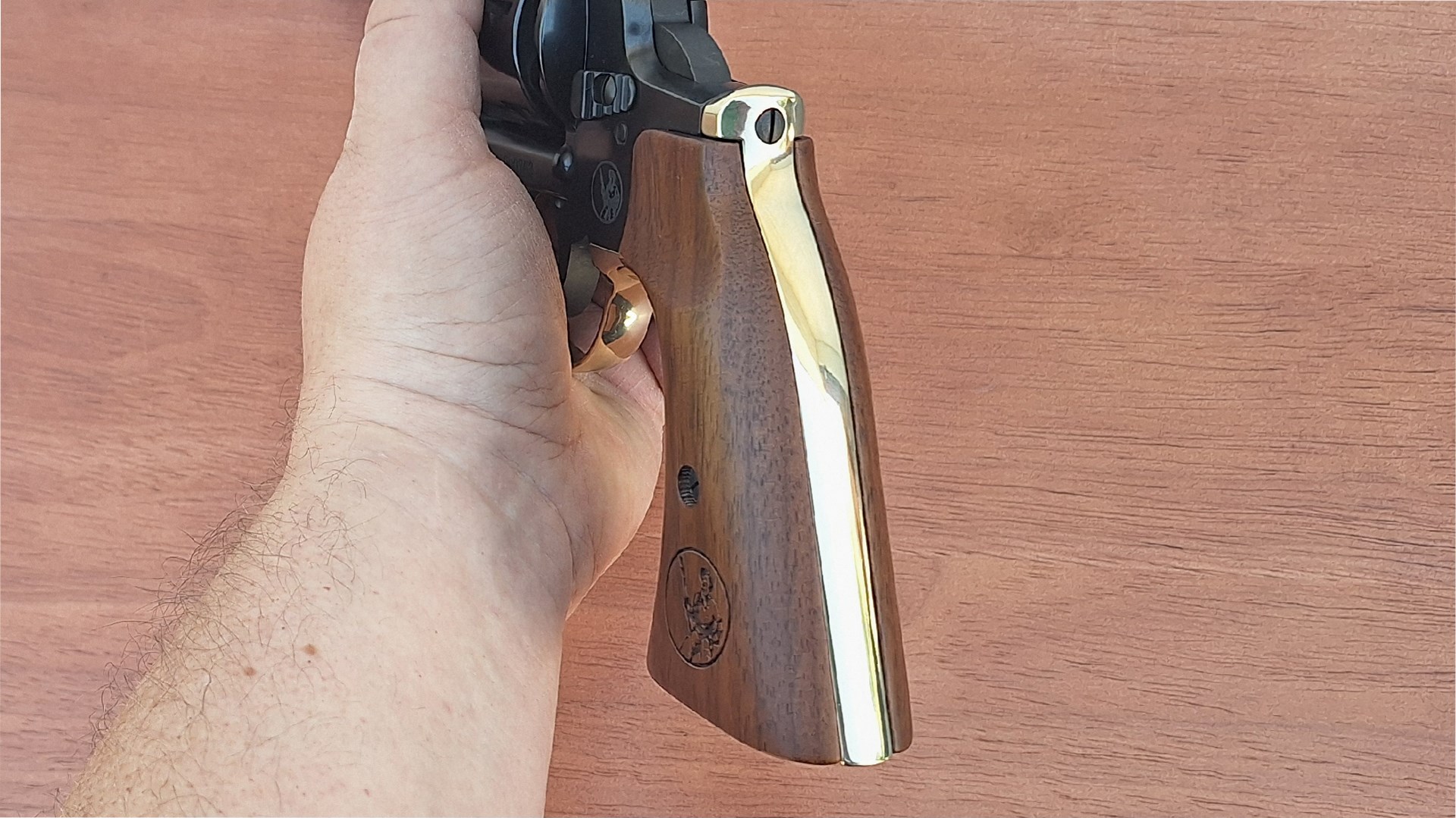 The brass grip frame is polished to a high shine.
Most cylinder assemblies are secured into the gun via a frame mounted screw. Instead, the Big Boy has a diminutive blued-steel lever installed inside of the forward portion of the trigger guard. With the action open, depressing this lever releases the cylinder's yoke, or arm, from the frame so that the entire assembly simply slips forward and out of the frame, no tools required. Is this second release a customer convenience, or, does it imply that Henry will offer caliber convertible revolvers in the future? Time will tell.
A signature feature of Henry's long guns is the premium-grade triggers. The bow of the steel trigger is untextured and deeply curved. It is paired with an exposed, grooved hammer spur. This allows the gun to be manually cocked for single-action fire, or it can be shot without cocking the hammer in double-action mode. This Big Boy's double-action trigger exhibited a one-inch stroke with a smooth pull of 9 pounds 9 ounces. That is going to sound heavy to the striker-fired pistol fans in the audience but its not uncommon for double-action revolver triggers to weigh in at 12 pounds or more. Manually cocking the hammer shortened the trigger stroke to about 1/16th of an inch that broke cleanly with just 4 pounds 2 ounces of pressure.
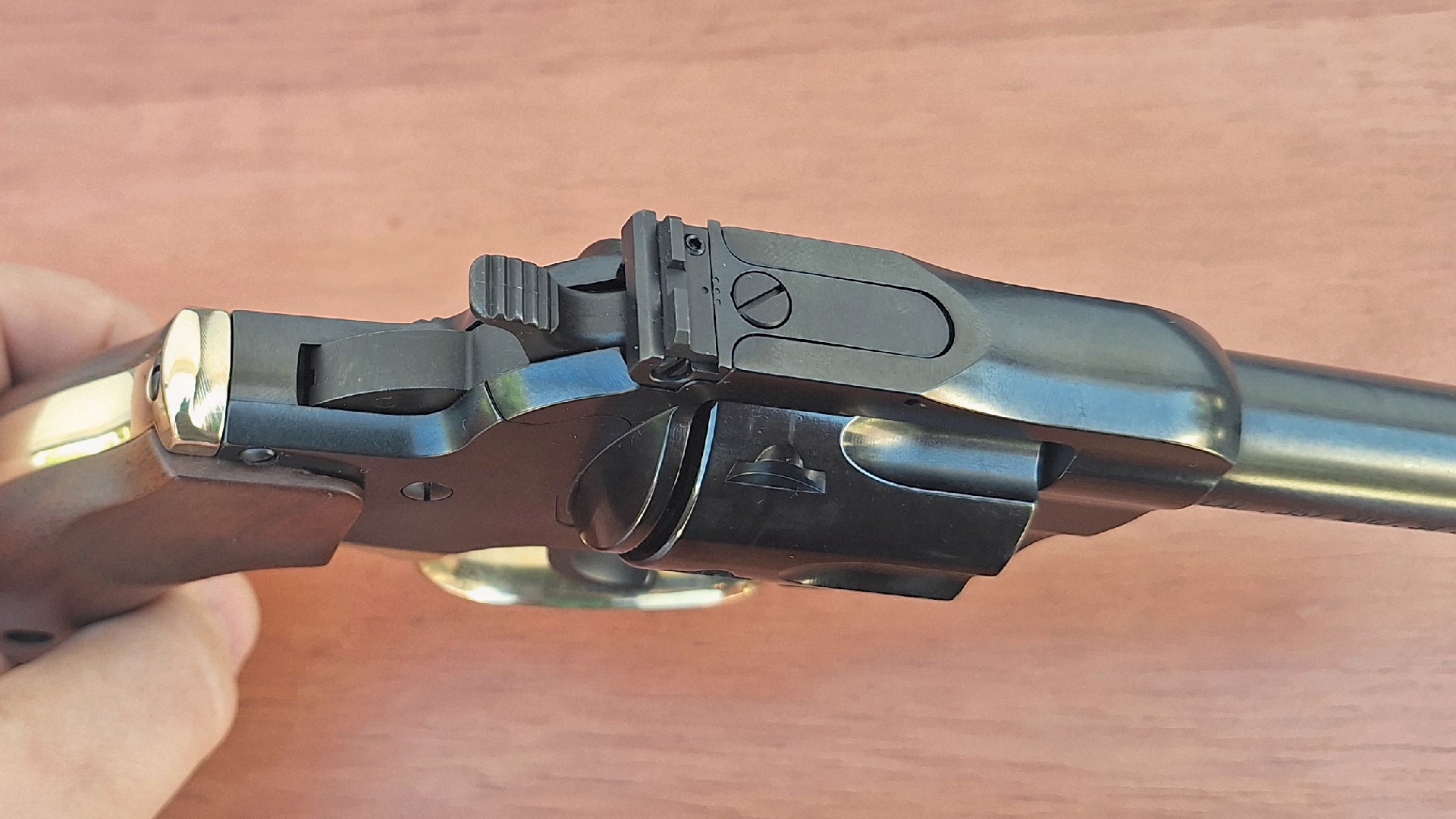 The Deadeye rear sight assembly is fully adjustable for height and windage.
The polished brass grip frame, with its integral trigger guard, is a nod to the company's brass lever-gun receivers. It certainly sets the Big Boy apart from the competition.Some folks may be wondering just how well the brass grip frame is going to hold up under the rigors of magnum-level recoil. To significantly reduce any stress on the brass, Henry has added a steel receiver post. It extends down into the grip frame, much like the posts found inside the rubber grips of Ruger GP100 series revolvers. This post provides added support to the grip frame itself, it contains the mainspring assembly and it provides the ports for grip panel screws.
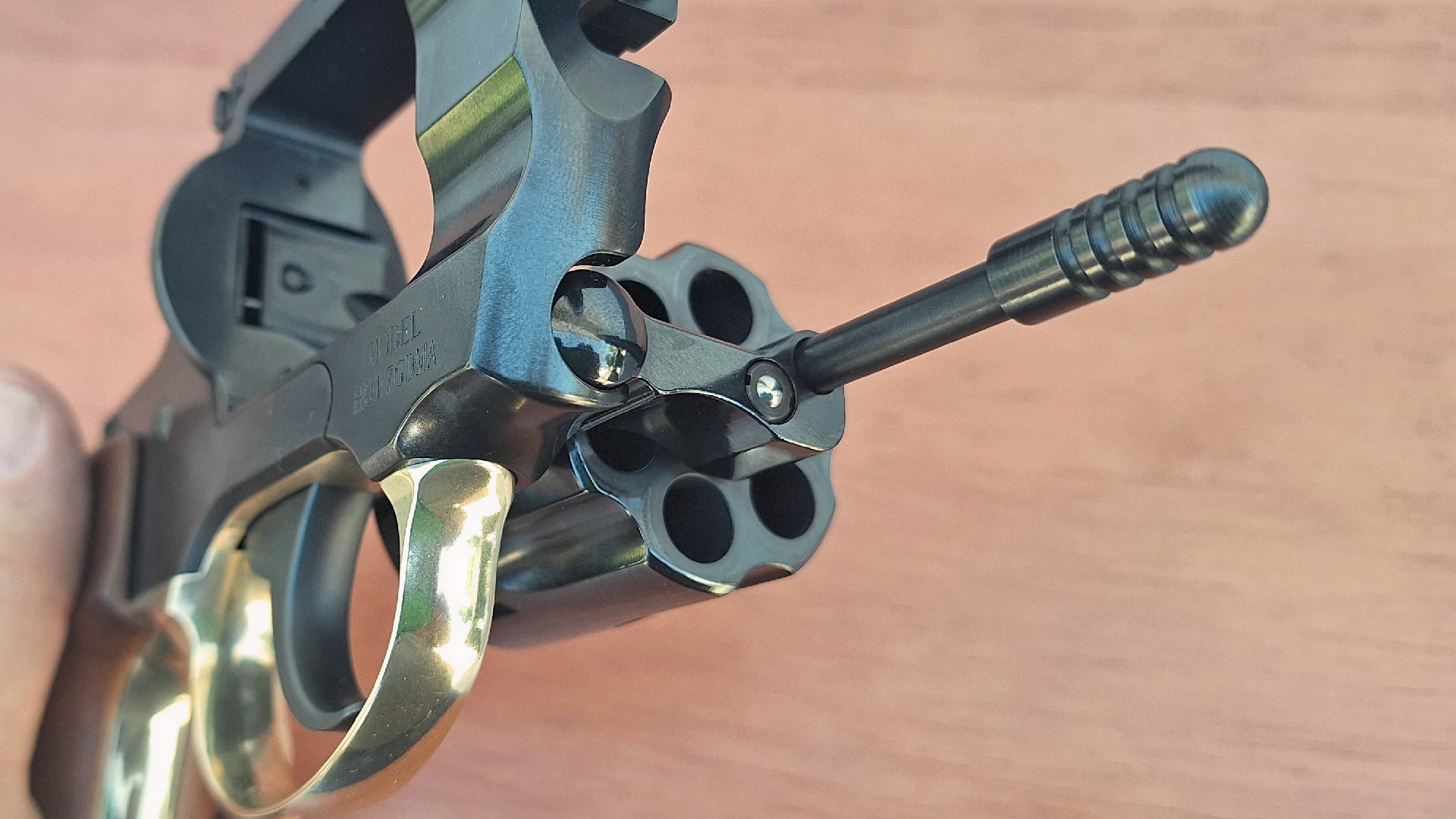 A spring loaded ball detent is set into the front of the cylinder yoke for a tight lockup.
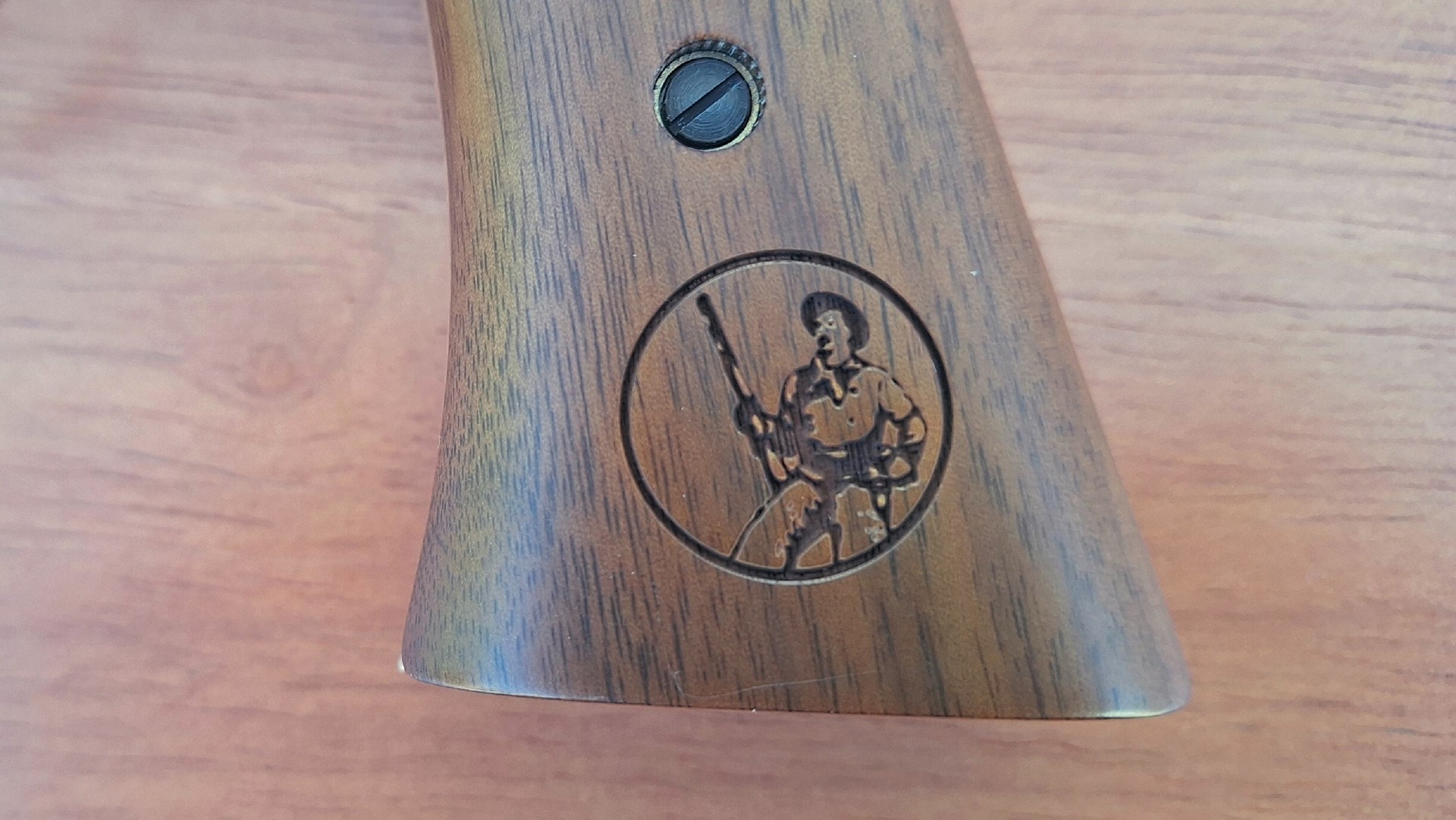
The Big Boy is available with a choice of two distinctive brass grip frame shapes, both of which ship fitted with smooth American walnut grip panels. The Gunfighter frame features a traditional straight-backed, flat-bottomed profile common to double-action revolvers with square-butt grip frames. The Birdshead frame replicates the rounded off grip shape favored in 19th-century designs. The back strap's inward curve reduces printing when the gun is concealed under a cover garment and some say it can contribute to a quicker and more natural draw.
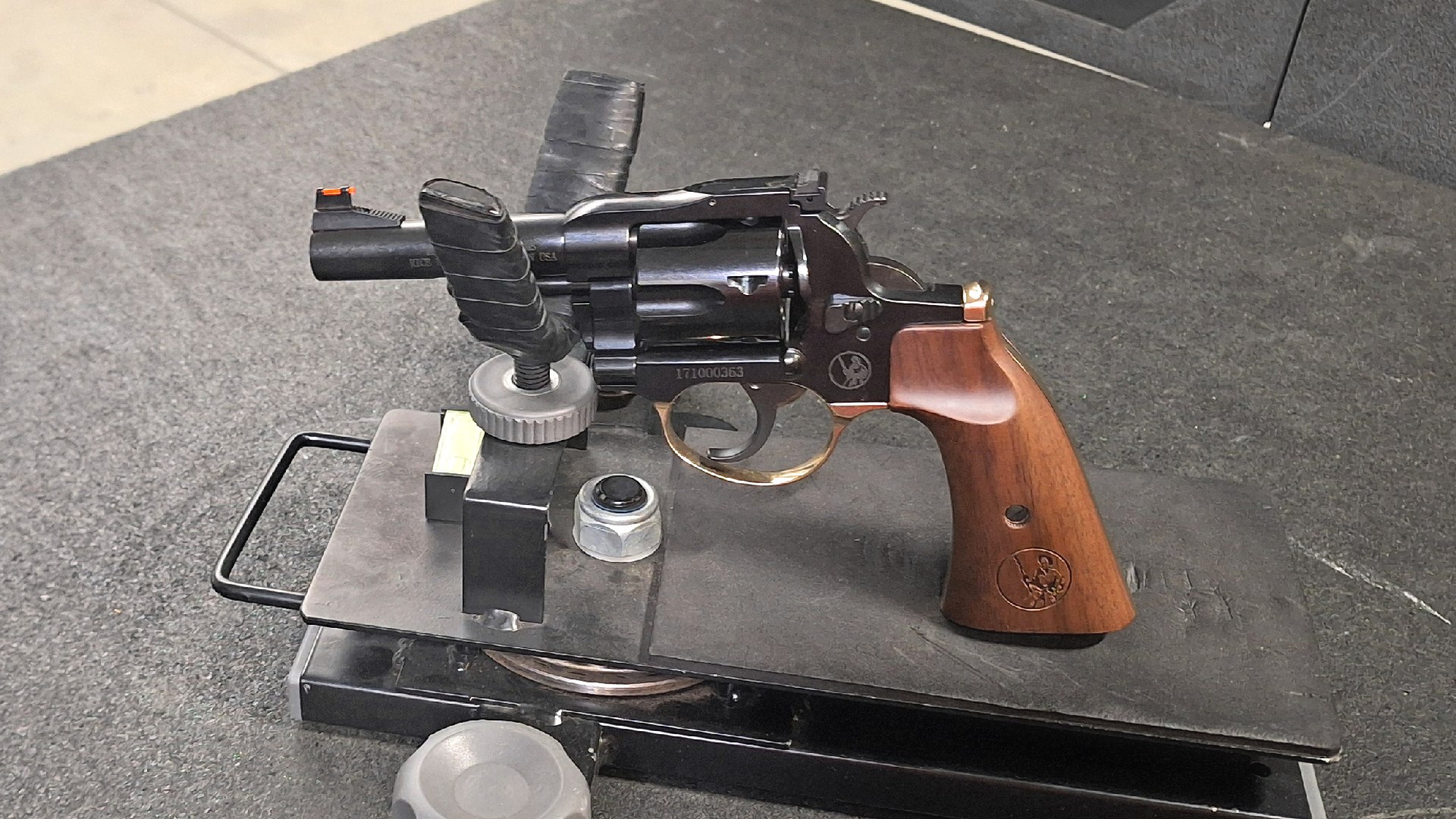 The Deadeye proved to be utterly reliable with all ammunition tested.
Which grip shape is the better choice? Personally, I'm a fan of Birdshead grips because of their sleek aesthetics and the way they fit into my somewhat smaller hands. They are just too cool for school and I enjoy taking them to the shooting range. But now that I've shot the Big Boy with both grip frame shapes, I would lean towards the Gunfighter configuration for use on the trail. Overall, it’s a better shape for a broader range of hand sizes and offers a bit more control. The smooth hardwood panels look and feel great. But I wouldn't mind if the company included a textured set of grips, for added purchase, with their accessory options.
This Big Boy tipped the scales at 35.8 ounces, unloaded, which is a well-balanced weight for both shooting comfort and portability. The fit and finish exhibited Henry's usual dedication to craftsmanship. And, as expected, its operations were smooth and clean right out of the box.
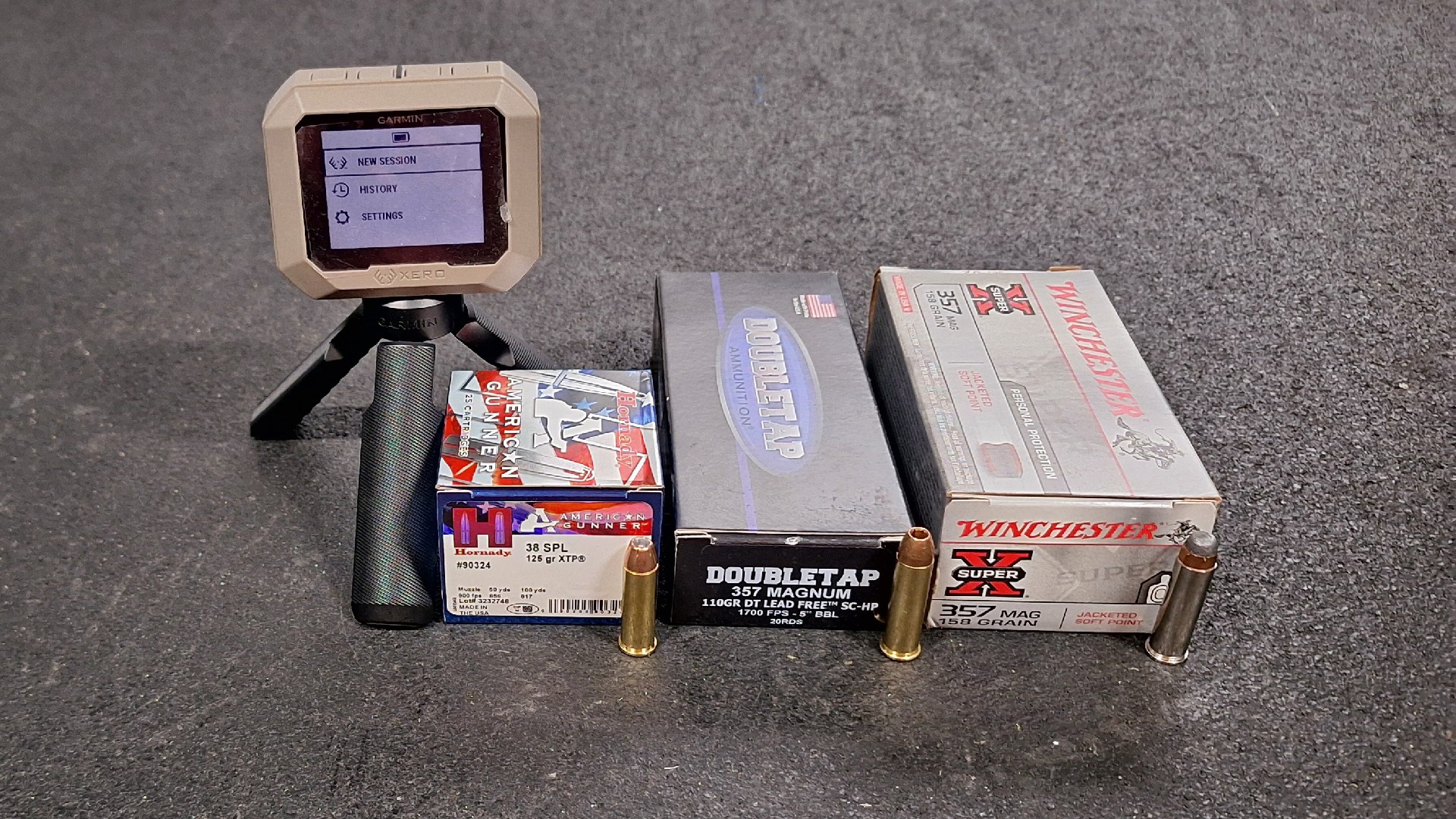 Test loads included .38 Spec. and .357 Mag.
The ammunition used at the range for this evaluation included a mix of .38 Special and .357 Magnum loads in practice, defensive and hunting grades. The Big Boy fed, fired and ejected all of the ammunition tested without any malfunctions or sticky brass. Formal performance testing was conducted by firing three 3-shot groups for three loads into paper targets posted at a distance of 15-yards. The rounds used included Hornady American Gunner .38 Spec., DoubleTap .357 Mag. and Winchester Super X .357 Mag. loads. Here are the results:
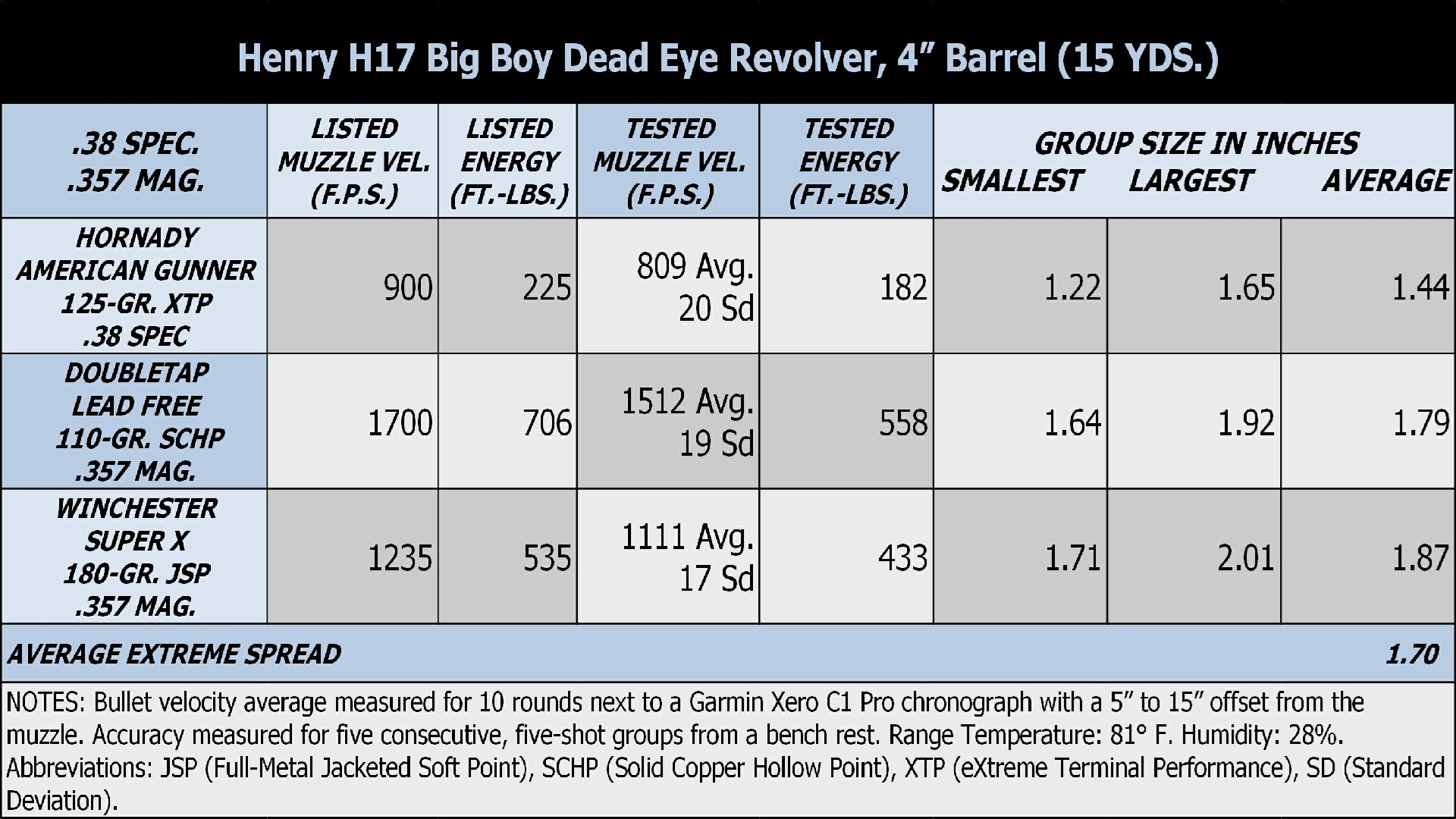
It's not uncommon in the shooting-sports world to have to flip a coin when it comes to choosing a gun to purchase. Do you want it to lean more towards something that gladdens the eye or tough enough to get the job done? Henry Repeating Arms does a great job of offering models that can do both, and the Big Boy revolver is among them. It's got glitz and guts in equal measure.
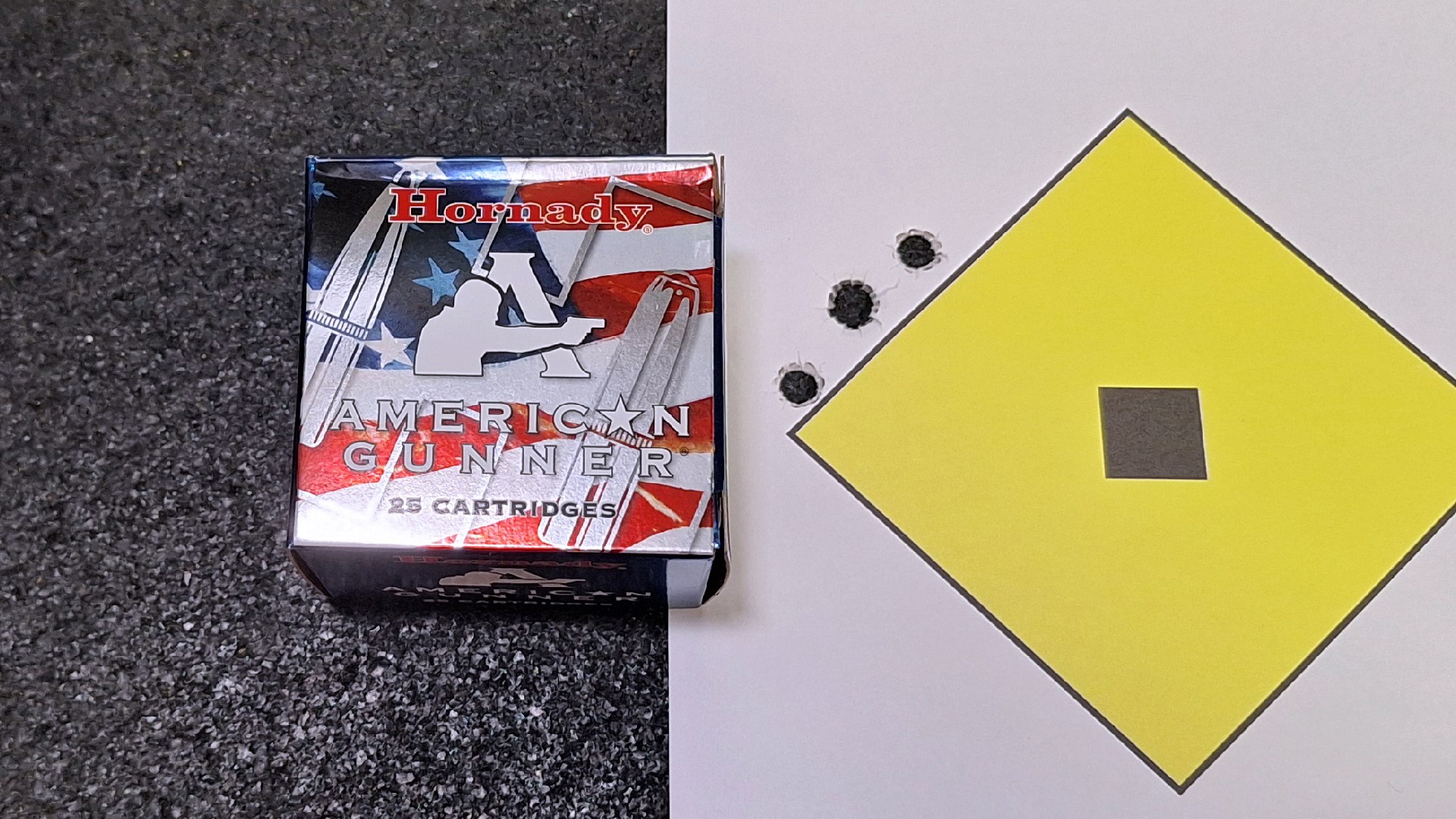 The best individual 3-shot group of 1.22 inches was fired using the Hornady .38 Spec. load.
Something worth noting about the adjustable rear-sight assembly is that it can be removed from the receiver. This means that there is the potential for 3rd party vendors to work up some short rails to take its place in order to mount red-dot optics. It is a yet-to-be fulfilled promise, but the possibility exists.
This revolver was a pleasure to work with, and I do not have complaints about this version of the Big Boy being chambered in one of my all-time favorite rounds, the .357 Mag. That being said, I've got my fingers crossed in hopes that Henry won't wait too long to develop a large-frame model for big-bore calibers. For more information, visit henryusa.com.
Technical Specifications
- Type: medium frame double-action revolver
- Caliber: .357 Mag./.38 Special
- Cylinder Capacity: 6 rounds
- Barrel: 4-inch; round profile: blued steel; no under lug; 1:16-inch RH twist
- Trigger: 4-pound 2-ounce (SA), 9-pound 9-ounce (DA) pull weight
- Sights: adjustable square notch rear; red/orange fiber optic front
- Grip/Stocks: smooth American walnut
- Metal Finish: polished blued steel and brass
- Overall Length: 9.25-inches
- Weight: 35.8 ounces, unloaded
- MSRP: $970; henryusa.com