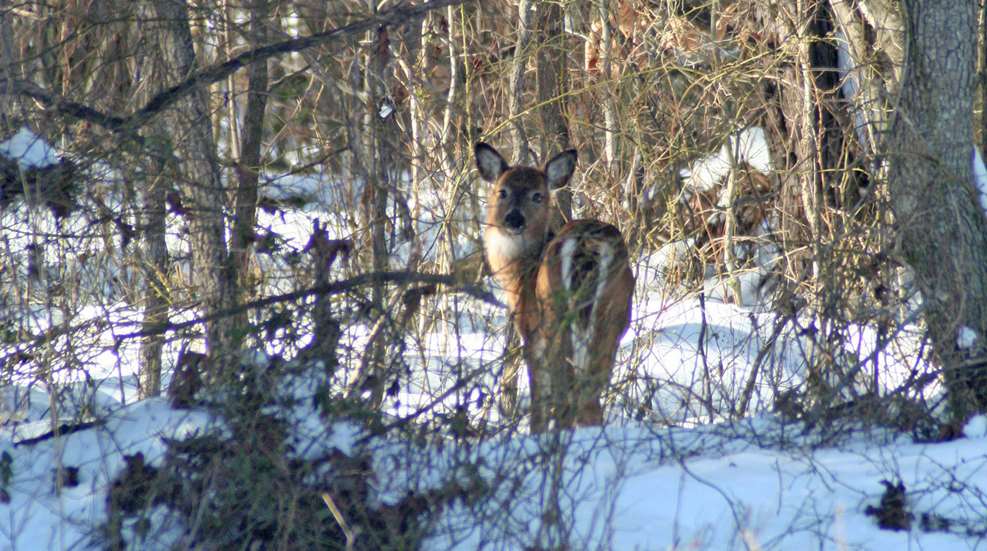
Although for most of the country deer season is over, there are some important aspects of deer hunting to be understood, particularly when it snows during the winter months.
In my part of the country, we don’t often get a good blanket of snow until the deer season closes. However, when it does snow, I make a point to get outdoors and visit each of my hunting areas to learn when the learning is best.
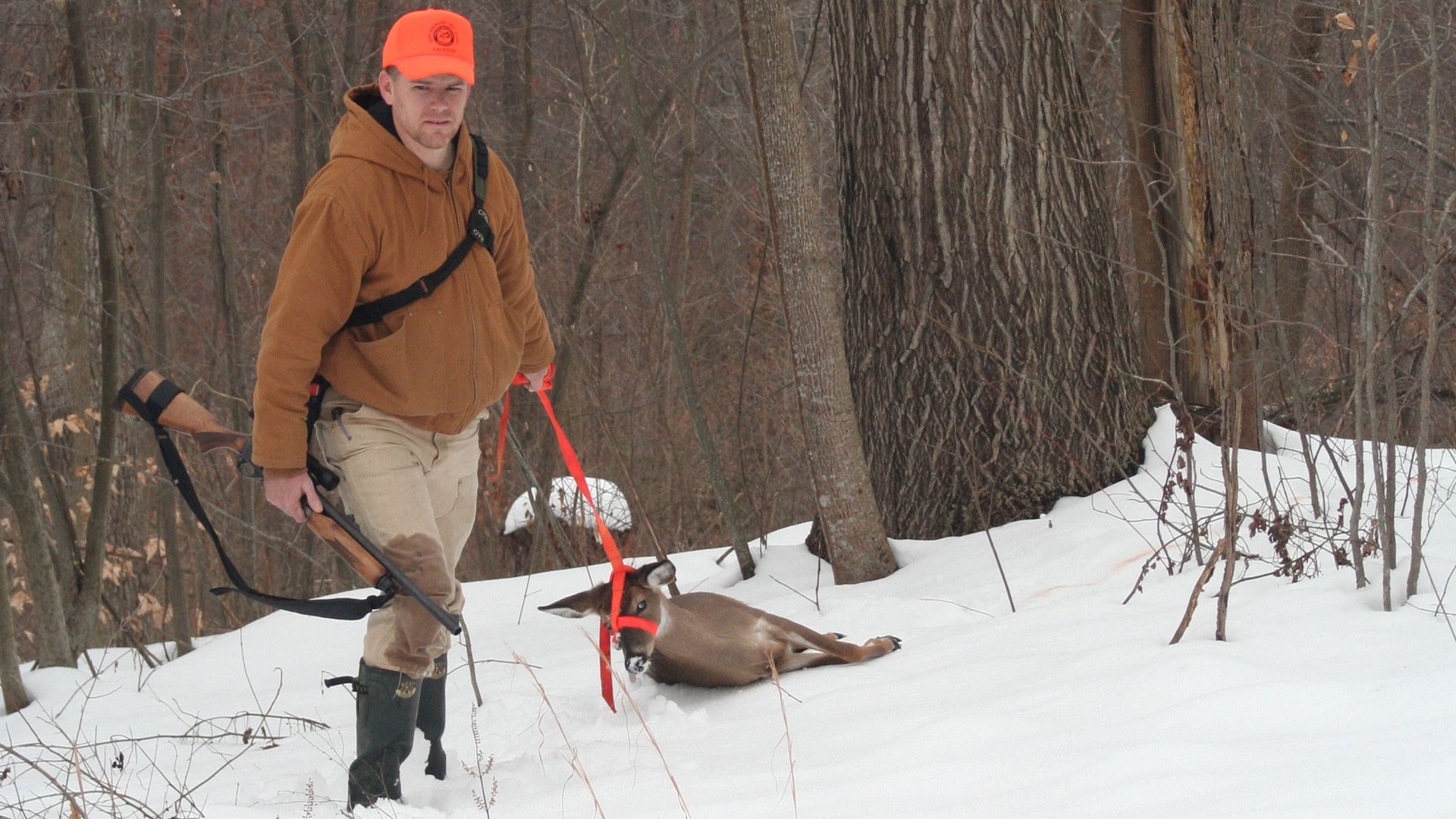
During the hunting season the deer often seem to disappear or hunker down or go into “lock down” as some put it. I experience this seeming disappearance of deer myself, and it often occurs for me about 3 weeks after the rut ends—then we tend to get a brief flurry of activity the last week of the season. So, where do the deer go and why are we not seeing as many deer outside of the pre-rut or rut during-hunting season? What I stumbled upon one year while squirrel hunting post deer season was a big piece of the puzzle that helped me increase my deer hunting success since.
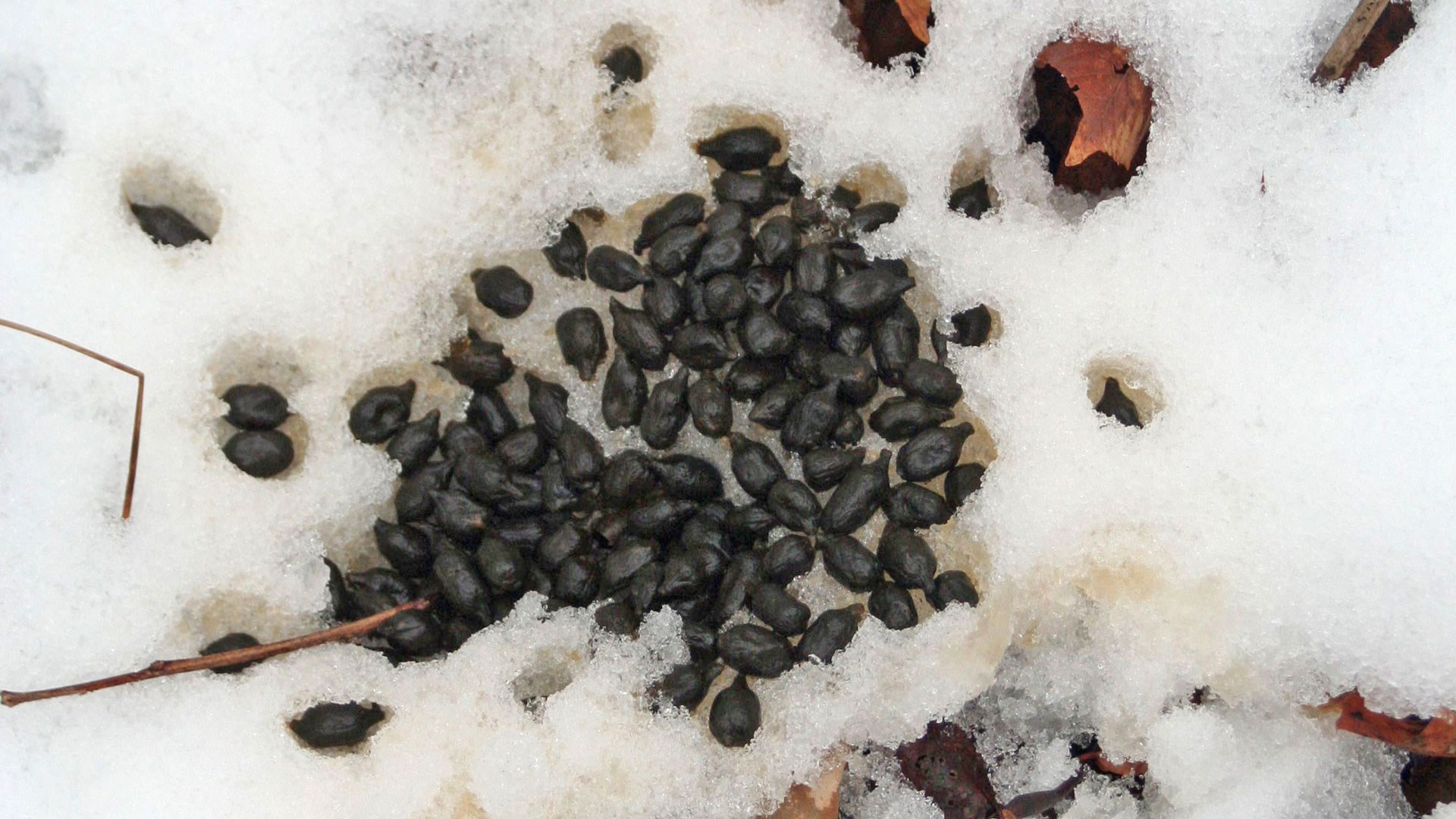
One year during the late squirrel season, it snowed lightly the night before and I decided to go bag some stew meat. As I stalked through the woods across my property I was surprised to find deer tracks, deer beds, droppings and even whole deer in places I would never have thought of hunting them before. I immediately made a point to visit other properties I had permission to hunt, and scoured the land for tracks, beds, droppings and deer, and put all that knowledge to work in the years since. I also made a point to go afield in all the other snow events that I could to take advantage of the great visibility and the sign left for me to piece things together. Let’s break down what I learned.
Extreme Weather
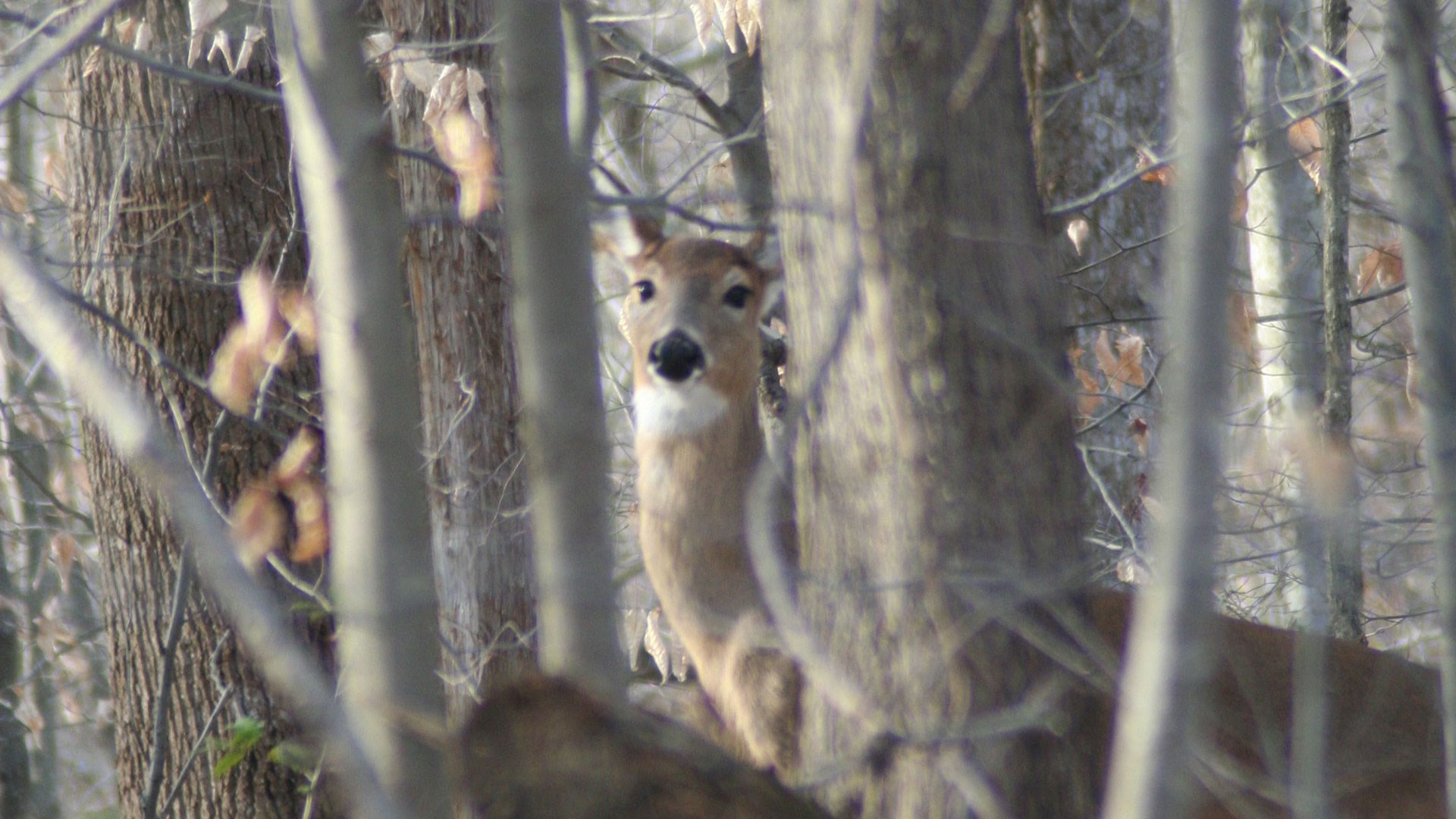
During extreme snows or freezing rain and high winds (which I define as 25mph +), I found that the deer will find thermal cover which is not that big of a surprise. However, depending on your hunting property there may be a lot of it or very little of it. It pays to find what thermal cover the deer prefer and keep in mind a few things. Where are those areas on south-facing slopes and north-facing slopes, as well as east and west? Getting out of the wind is easier and more efficient for animals if they can get on the lee side of the wind behind a knob or hill. I followed deer tracks across hillsides to thermal cover on east facing slopes where I never found deer before during high winds from the west or northwest. The deer hunkered under holly trees as my property does not have many pines on it yet. I checked this theory out on other days and found beds on the lee sides of the slopes or hills almost every time, but rarely on the exposed sides of hills with regard to the high winds.
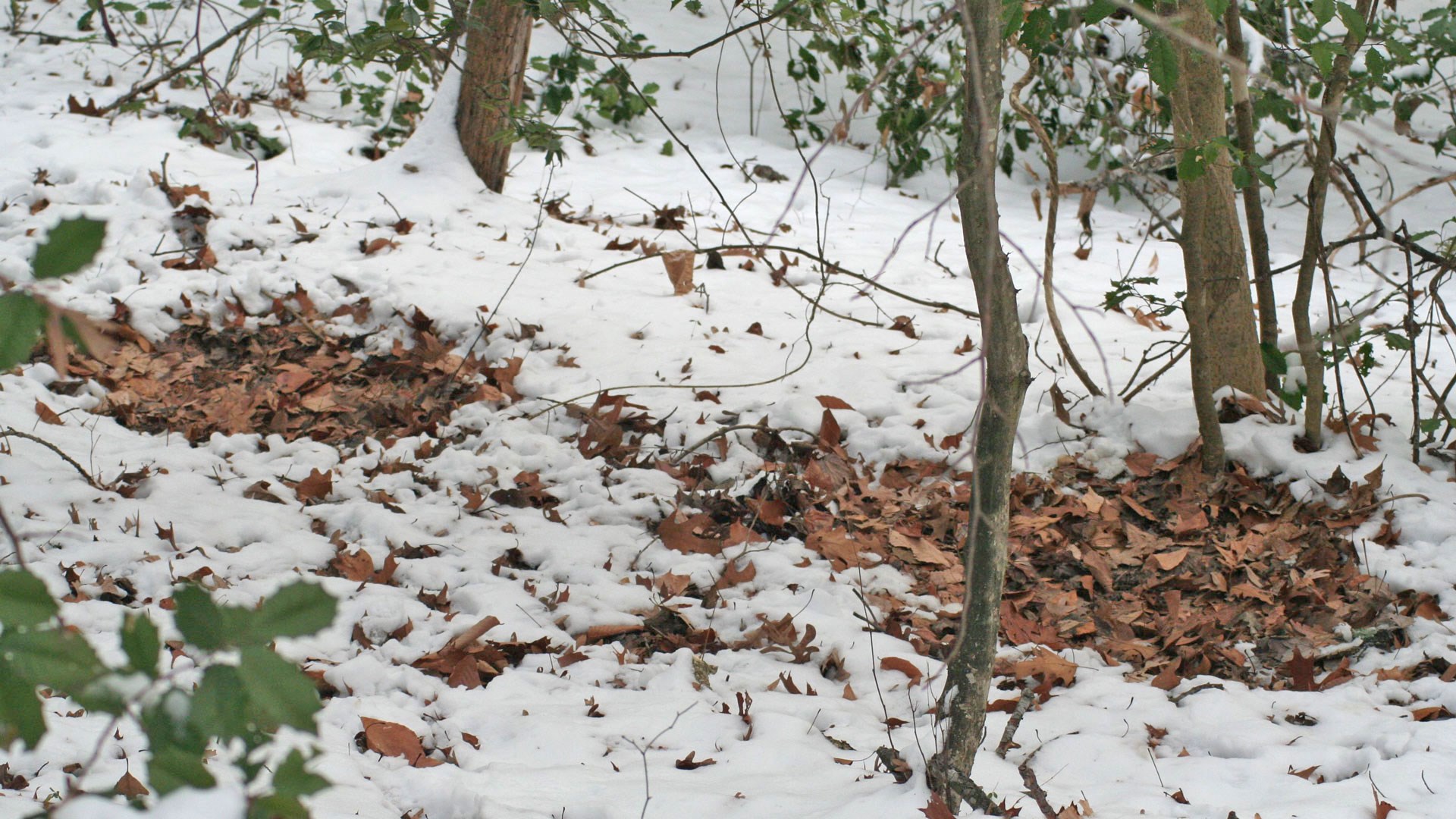
Some of the tracks led to huge fallen trees where the deer tucked up against the trunk and could eye areas upwind by raising their heads and watching but were protected from the wind otherwise. The lee sides of hills also tend to have less drifting snow which means the deer do not have to use as much energy to get through it or dig into it in search of acorns.
The Calm After the Storm
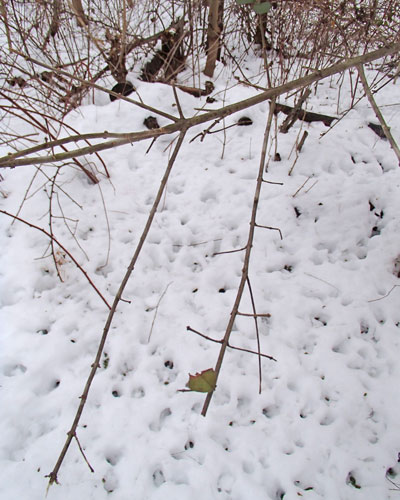
After a snowstorm or even a quick snow shower, deer will often go to feed. Knowing your food sources and what is available is crucial for deer hunters, but knowing where they go to find food when the snow hits is a bonus. Follow the tracks and see where they are digging up acorns or grain. Try to find more than one set of tracks. Often when the bad weather hits, the deer will herd up some and travel together. Look for places on south facing slopes if the wind is not bad, because that is where the sun will hit and warm things up quicker. This is also typically where food can be more easily found as there will be more vegetation there and the snow melts faster.
Post snow is the time when you can glean the most information from deer tracks. Deer will be more active after the snow stops or slows down. Look for fresh tracks and droppings and follow them. I was amazed to realize how the deer have skirted my stands by using small swells or draws within gun range to avoid me. The tracks tell on them, and I can see where they travel. One thing we all know, deer are creatures of habit. Find the trails in the snow and it is very likely they will also use the same areas when there is no snow.
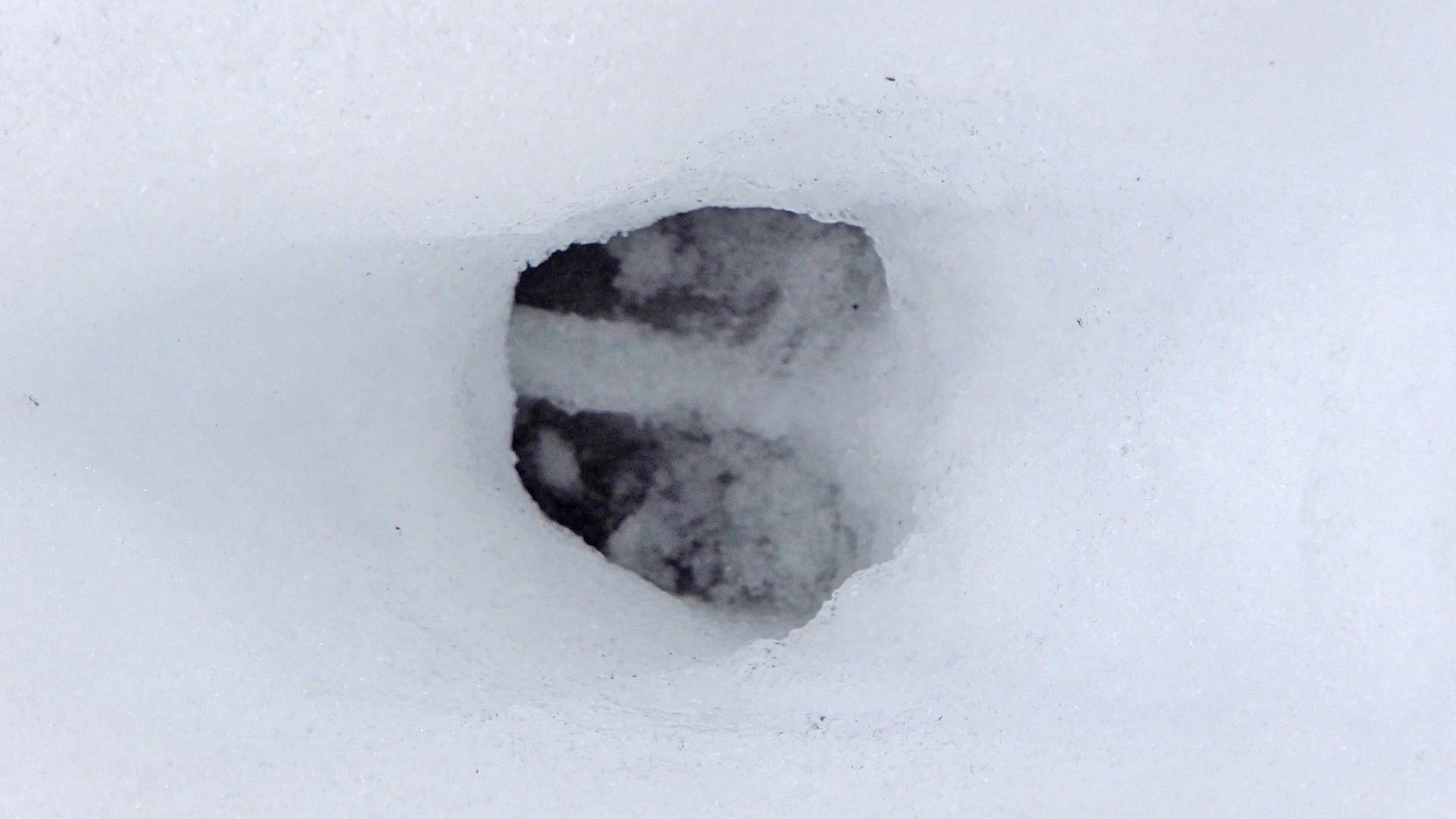
I make a point to find where the trails intersect and I follow heavy trails to woodlots, swamps, thermal cover and fence or trail crossings and hedgerows to understand where the deer are going. Get off the main trails you usually use and go to places you rarely go after snow, and you will be surprised at what you find. Sometimes deer hide or bed within 100 yards of where we usually sit in a stand, but due to cover or a small hill or roll in the terrain, we never know they are there.
The next time it snows, do yourself a favor and put on your cold weather gear and go scout some for next deer season. Since taking these “snow walks” and seeing all the evidence of where deer actually travel, bed and feed, I have placed stands accordingly and my success rate has gone up even though these days I have a bit less time to deer hunt than I use to.