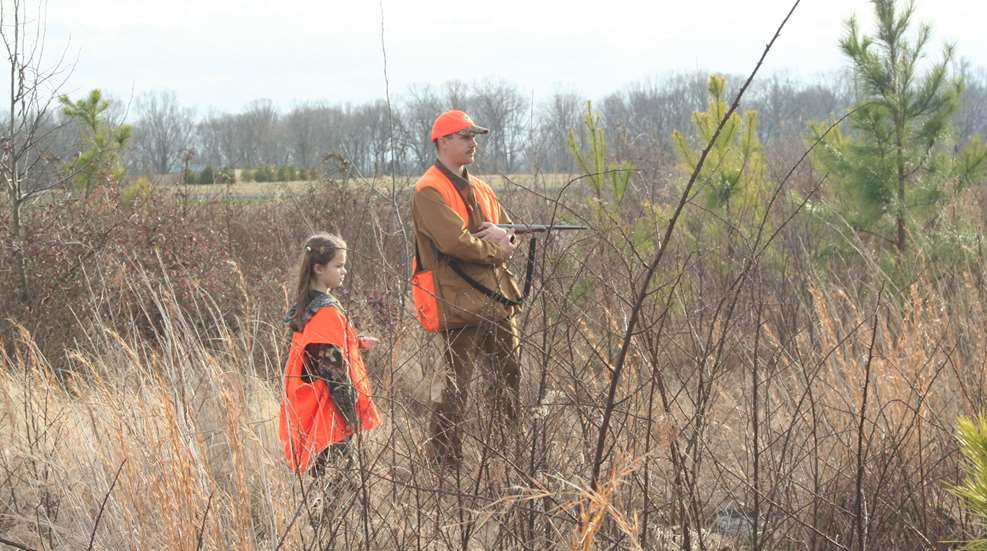
I grew up shooting squirrels with a .22 rifle and never knew what rabbit hunting was like until snow put us out of school for an extended period. I was squirrel hunting with a buddy, and we got bored and decided to follow some rabbit tracks and ended up jumping, but not getting, a few rabbits. However, the fire was lit. Fast forward to many years later when I was invited to hunt with a friend who owned a pack of beagles. In the years since I have learned a lot about rabbit hunting and rabbit behavior in general, that readers can use to cut the learning curve and be successful this season in their pursuit of some fast action and fun hunting.
Where There is One There are More
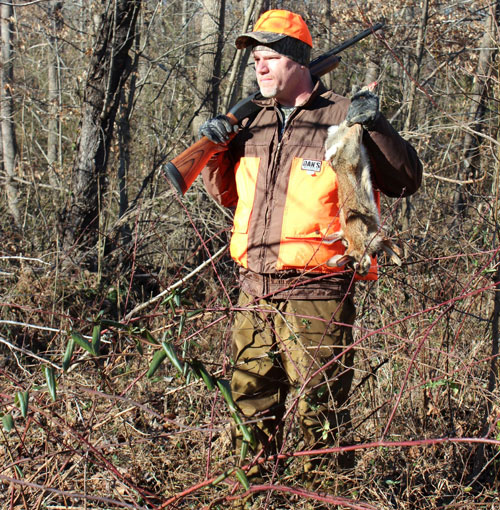
Even to this day I am always surprised how many rabbits inhabit an area. I have been hunting with a pack of beagles and have seen one rabbit jumped and suddenly four other rabbits are darting around the field within eyesight. It is not always like this, but I have never experienced a hunt where only one rabbit gets jumped in an area. Even on tough days several get jumped, and on good days it can be over a dozen. If you use dogs and no rabbits are jumped in half an hour, it is time to pull up and go to another field or thicket to hunt. Rabbit populations are cyclic. Some years are booming and some are bust.
Finding the Right Habitat
Obviously, rabbits thrive in fields, but the best fields are those that have briar patches, cutovers, young pine thickets or even swampy edges to them. Bare agricultural fields are not the best habitat. The edges, if the edges are large enough, might be worth hunting. Overgrown homesites, mountain meadows and freshly timbered areas (if near previously mentioned habitats) will all likely hold rabbits. Mature hardwood lots are not going to be a good place to hunt rabbits. Logging decks, dried swamp beds and ponds, flood plains and river bottoms are worth looking at.
Scout First
Scouting while hunting other species is a very productive way to find good rabbit habitat. In many areas of the country, rabbit season is often open concurrently with deer seasons, but rabbit seasons are often open well after deer seasons go out giving hunters additional opportunities after deer rifles are put up for the year.
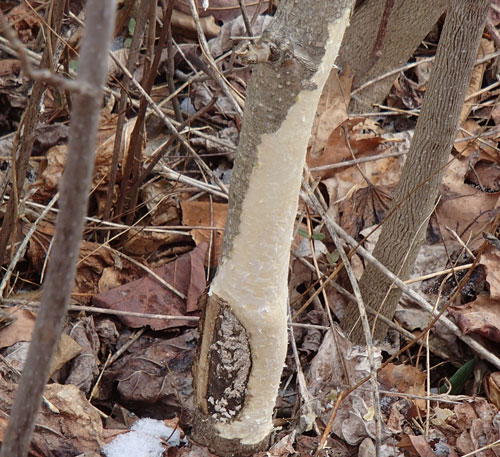
Look for cuttings on small saplings which are where the rabbits gnaw or girdle the saplings at ground level. Round pellets or droppings that look like deer droppings, but are not oval, are telltale signs a rabbit lives nearby. Of course, jumping or seeing rabbits will let you know immediately if the property is a good candidate for a rabbit hunt.
Conditions to Hunt
Rabbits can be hunted at any time. However, rabbit scent is best worked when there is some moisture in the air for the dogs to home in on the scent. A cold, windy, dry day will be tougher for the dogs to find rabbits than a moist day. Hunting at the crack of dawn for rabbits when using dogs is unnecessary. Get your breakfast, your coffee, then load the dogs up and head out. Frozen ground is tough on the dogs as well, but it can be done.
Gear Needed
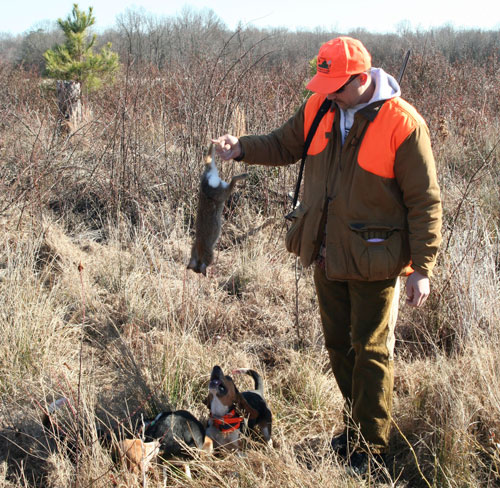
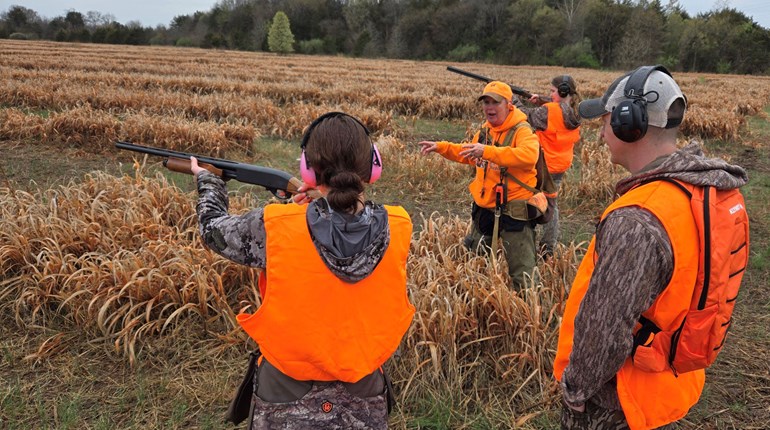
One of the great things about rabbit hunting is that the gear is simple. Blaze orange, any shotgun you want to use with some #5, 6 or even 7.5 shot will work. I prefer #6 shot and a 20-gauge, but have used a .410 which was great fun. I have even seen some guys use lever-action .22 rifles with the proper precautions such as knowing with certainty where everyone else is in the party.
Some waterproof boots, thick pants or briar pants (I use Dan’s bibs), and a good briar-resistant coat and possibly a game vest with a pouch round out your gear list. Take along some water and a snack. One last piece of gear that helps is a good walking stick that is tall to beat on briar patches to rustle up stubborn rabbits or give yourself a break and lean on when you need to.
How to Set Up
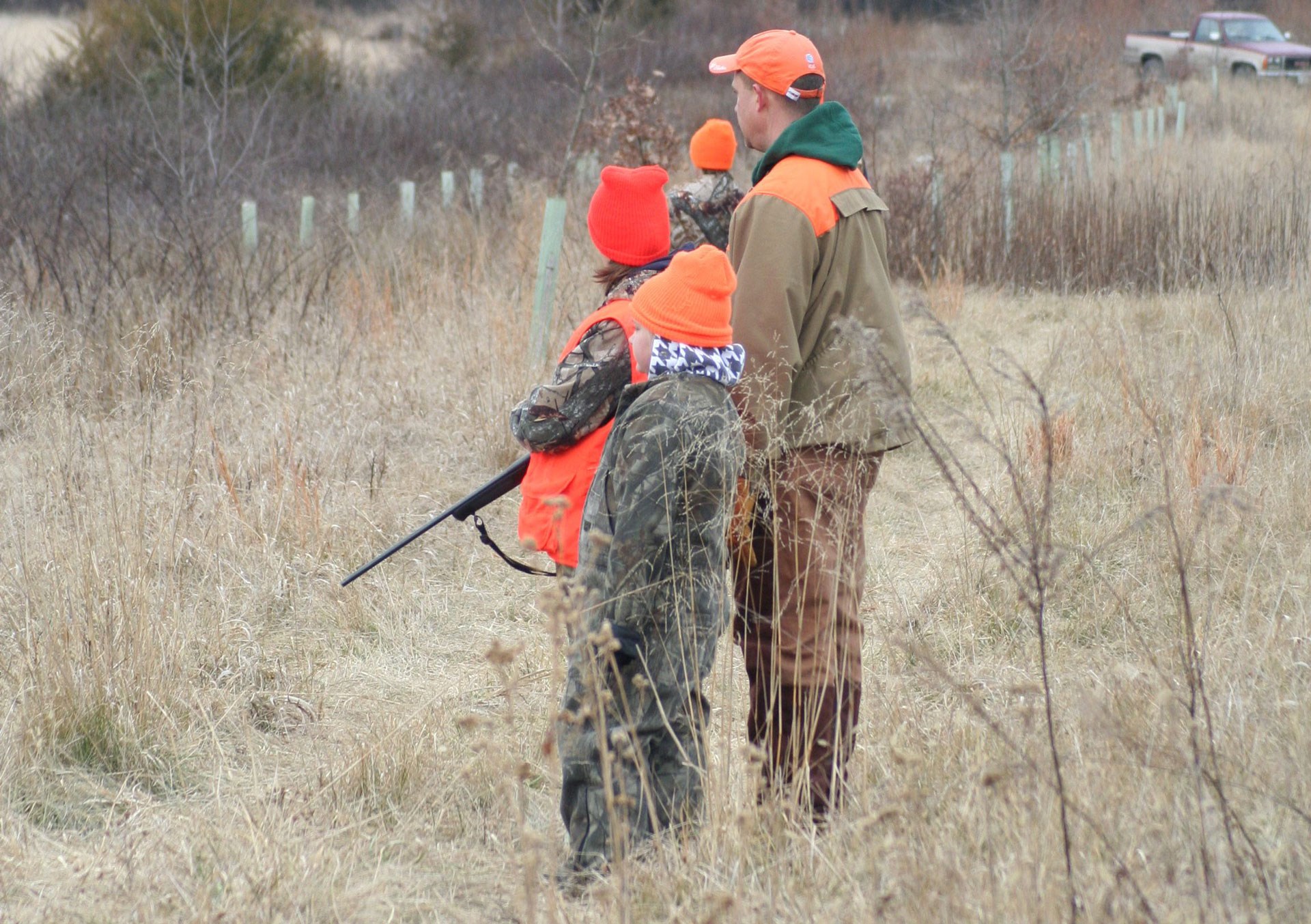
Usually the rabbit-dog owner knows how to set everyone up, but in general, have a safety brief to discuss where people will be situated, be sure everyone is wearing blaze orange, discuss property boundaries and the areas to be hunted—to include notes of any hazards such as old wells, deep pools of water and outbuildings to be aware of—and spread out on the property as the dogs are cut loose. The dogs will generally do their business first to lighten their load and start sniffing around to jump the rabbit. Try to get on some elevated ground if possible. You do not want to be standing in a ditch, but standing near a knoll or even a large stump is not a bad idea.
What to Expect
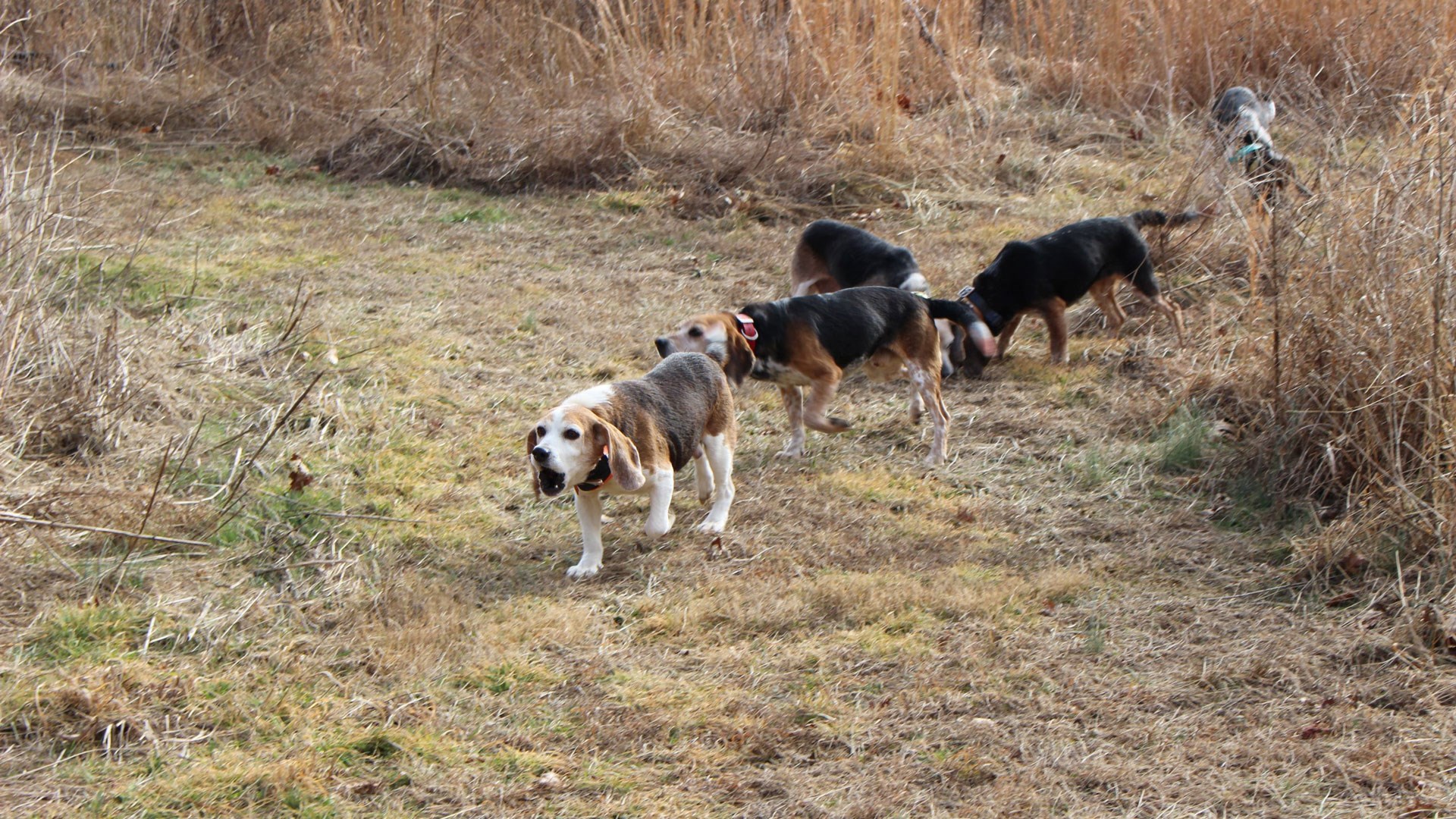
Generally, rabbits will run a long loop. So, if you are the lucky one that was standing where the rabbit was jumped, stick around! The rabbit, if not shot by someone along the way, will likely return giving you a chance to bag it. Keep in mind that the rabbits generally outpace the dogs by quite a bit. Sometimes the rabbit can be over a hundred yards in front of the dogs, so do not stare right in front of the dogs. Look well ahead of the dogs for movement. Be *sure* it is a rabbit, and not the dog, before shooting. The rabbit will continue looping unless they find a hole or other place to hide away from the dogs. Aim at the rabbit’s head or nose or even in front of it if it is running fast, to avoid destroying the hindquarters and backstraps which are the best pieces of the rabbit.
Skinning, Cleaning and Cooking
If the day is cool or cold, you can simply put your rabbit in your game vest or loop them on a piece of paracord and carry them with you. If the day is warm, consider gutting the rabbits to avoid spoilage or strong-tasting meat. Don’t leave them lying in a truck bed in the sun where the metal bed or bedliner starts cooking them.
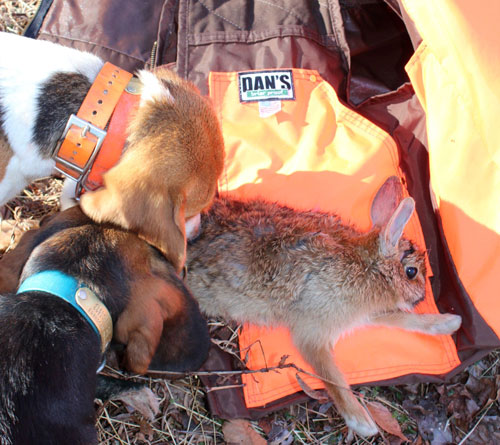
Rabbits are easily cleaned. Pinch the fur upward away from the spine at the midsection. Using a sharp knife, slice the skin to the meat and pull the “shirt” and “pants” off the rabbit. Separate the feet at the joints and cut the head off. Some states require the remains be buried to avoid spreading disease. I also like to use gloves when dressing rabbits as they can carry Tularemia or rabbit fever. Keep the meat cool.
An additional step I like to take is quartering the rabbit by removing the legs at the joints and then slicing out the backstraps as I would a deer for some great, boneless meat. There is not a lot of meat left at that point on the ribs that I find worth keeping. This way I do not even have to gut the rabbit on a cool day.
Rabbit can be cooked in several ways. Our family likes to roast the rabbit pieces with some olive oil in a casserole dish with carrots and potatoes and a favorite seasoning. The same can be done with a crock pot. However, a young rabbit is scrumptious dripped in egg and battered with salt, pepper or your favorite seasoning flipped in a quick dusting of flour before hitting a cast iron frying pan.
No Dogs?
If you do not have dogs or know someone with dogs, you can still go rabbit hunting. Rustle up a crew of friends, get a good walking stick and do the same process as described above. The difference is that the action will be a bit slower. Take the time to stomp on every briar pitch or thicket you can. Beat them with your staff and yell out if the rabbit flushes so someone can get a shot. Do not overlook even small patches a few feet in diameter. If I had a dollar for every rabbit we kicked up in a patch of weeds the size of a trashcan I would be wealthy! We often walk in line through good rabbit territory to keep things as safe as possible.
If you need a change in pace this season and have not tried rabbit hunting, you are now in the loop with how you can go afield and be successful and pick up some great eating in the process.
Good hunting!