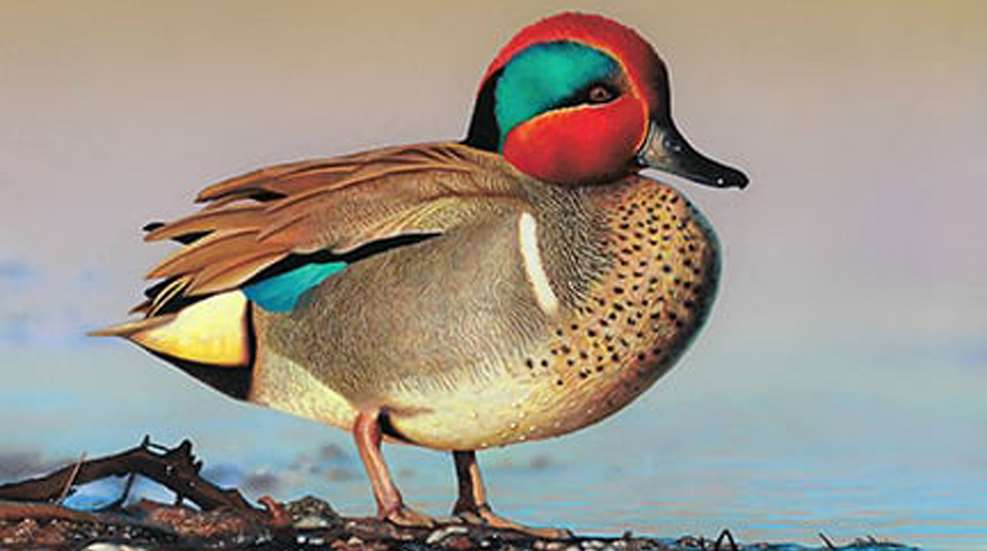
A young artist from South Dakota has taken top honors at the National Junior Duck Stamp Art Contest. A green-winged teal by 15-year-old Madison Grimm will grace the 2022-2023 Junior Duck Stamp, which raises funds to educate and engage our nation’s youth in wildlife and wetlands conservation and outdoor recreation. This is Madison’s third national win.
A panel of five judges chose the entry, painted in acrylic, from among best-of-show entries from 50 states, Washington, D.C. and two U.S. Territories.
“I’m so excited to announce the top winners of this unique contest,” said service director Martha Williams. “The Junior Duck Stamp Program encourages students to explore their natural world through science, art, and writing, share their gift with others, and nurture a lifelong love of nature and the outdoors.”
Students in kindergarten through grade twelve participate in their annual state Junior Duck Stamp Program through their school, home, art studio or after-school group, or from a refuge, park or nature center. After learning about wetlands, waterfowl, and wildlife conservation, they express their learning through a drawing or painting of a duck, goose, or swan.
The top piece of art in the nation—chosen at this annual competition—is featured on the Junior Duck Stamp, sales of which support educational programs and activities that nurture our next generation of conservationists.
The Federal Junior Duck Stamp Conservation and Design Program began in 1989 as an extension of the Migratory Bird Hunting and Conservation Stamp, commonly known as the Duck Stamp. The first national Junior Duck Stamp art contest was held in 1993. The stamp encourages students to explore their natural world, participate in outdoor recreation activities, and learn wildlife management principles. Approximately 2,000 Junior Duck Stamps are sold annually for $5 each.
Second place winner is Catheryn Liang, 15, from Texas, with an acrylic painting of Canada geese.
Third place went to 17-year-old London Peterson from Oklahoma, who entered a common goldeneye painted in acrylic.
In addition to the art contest, a Junior Duck Stamp Conservation Message Contest encourages students to express in words the spirit of what they have learned through classroom discussions, research, and planning for their Junior Duck Stamp Contest entries. “This year’s winner is 17-year-old Alexa Jochmann, of Wisconsin, with her message: “Wetland conservation helps keep our world as colorful and diverse as the ducks that live in them!”
“This is one of the most joyful announcements the Service makes every year,” said assistant director for migratory birds Jerome Ford. “Young people from all different backgrounds and interests from all over the country share a common interest in art and nature, and we are all lucky enough to see their amazing work.”
This year, about 13,000 young artists submitted entries to the Junior Duck Stamp contests around the nation. Complete Junior Duck Stamp Contest results and more information are online.
The Junior Duck Stamp Contest winner receives $1,000. The second place winner receives $500; the third-place winner receives $200; the Conservation Message winner receives $200.
You can buy Junior Duck Stamps online through the U.S. Postal Service and Amplex and at some national wildlife refuges. Proceeds from the sale of Junior Duck Stamps are used for recognition of individuals who submit winning designs in state or national competitions and to further activities related to the conservation education goals of the program.
The first day of sale for the 2022-2023 Duck Stamp and Junior Duck Stamp is planned for June 24, 2022.