Know-How: Broadheads for Gobblers

by
posted on April 17, 2018
** When you buy products through the links on our site, we may earn a commission that supports NRA's mission to protect, preserve and defend the Second Amendment. **
broadheadsforgobblers_lead.jpg

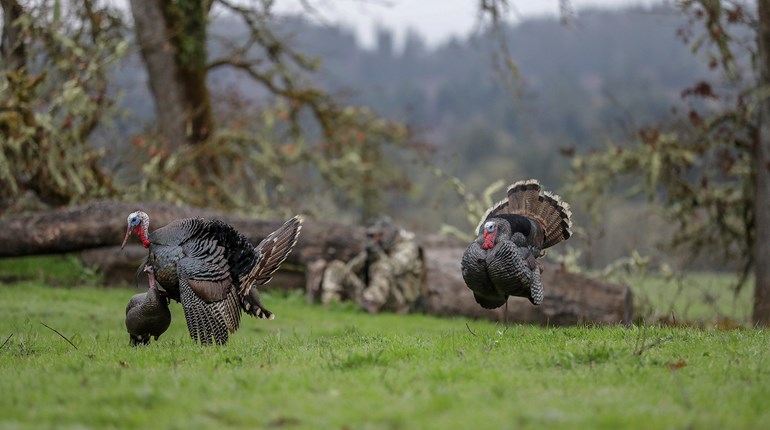
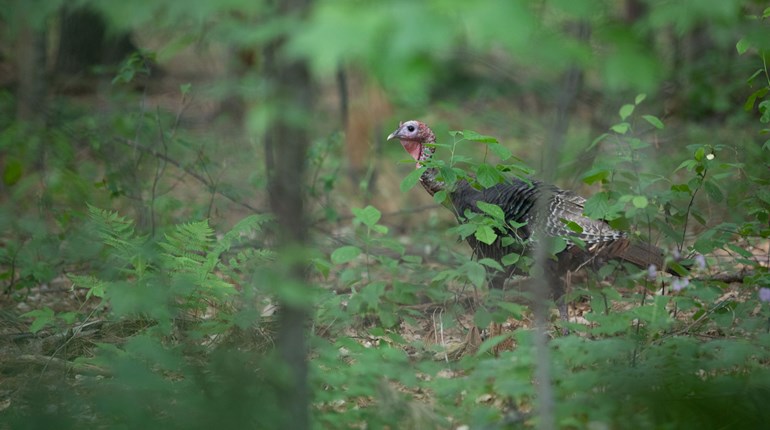
Spring gobblers offer small vital areas and perpetually shifty targets for bowhunters. The shotgun hunter’s requisite head/neck placement is a low-odds proposition with a bow (exception below). Mid-body shot placement provides wider margins for error into gobblers’ baseball-sized vitals. The solution to reliably anchoring gobblers with mid-body hits is cutting large holes and creating wound channels that convert even marginal hits into dead birds.
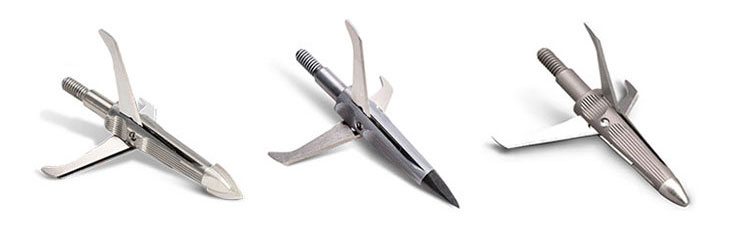
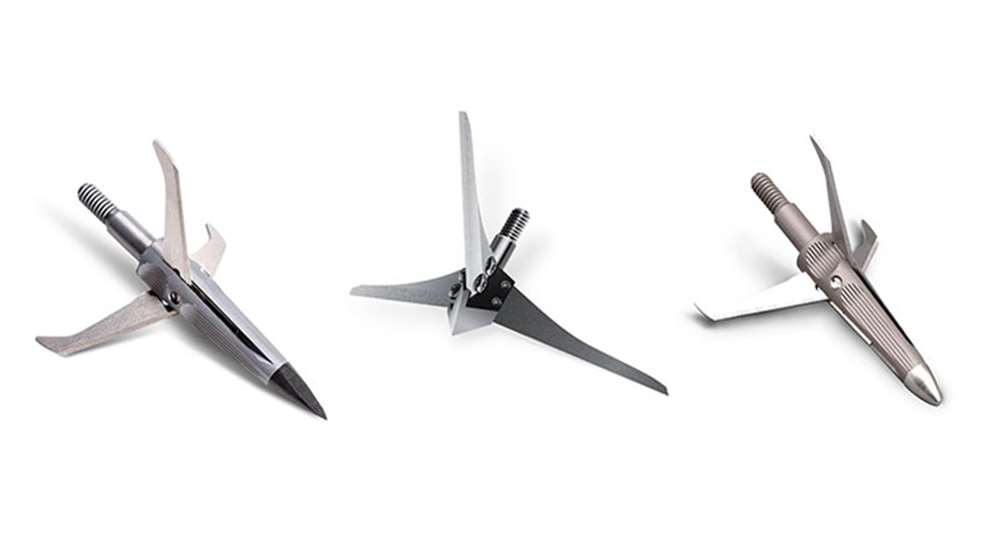
Look for mechanical broadheads with cutting diameters of 1.5-2 inches, 180-degree flip blade deployment, conical or pyramid tips (instead of scalpel-like tips) and three blades (instead of two). Flip-back blades and less efficient tips slow penetration and are more likely to leave arrows in birds, which snag brush or impede flight should a gobbler flee following a hit. Three-blade designs with wide cutting diameters provide improved odds of nicking something vital. Prime candidates include the Trophy Ridge Rocket Hammerhead, New Archery Products (NAP) Spitfire Maxx, Spitfire XXX and Gobbler Getter, and Wasp Jak-Hammer.
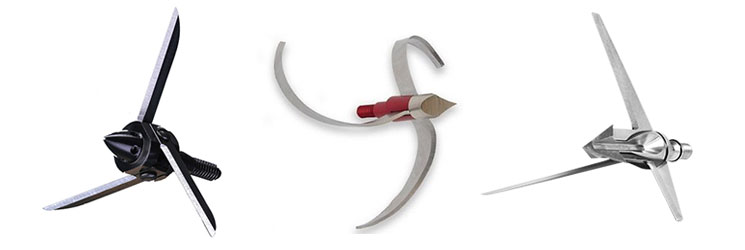
Turkey head-lopper broadheads include wide-reaching blades with 2- to 4-inch cutting diameters that obviously increase the margin for error on tricky head/neck shots. A drawback, especially when launched from high-speed performance compounds, is they often require more aggressive fletchings (5- to 5.5-inch natural feathers vs. standard 4-inch vanes) to ensure adequate stabilization. Arrowdynamic Solutions designed the original, the Guillotine, with others like the Flying Arrow Archery Tom Bomb, Solid Turkey D-Cap, Magnus Bullhead and Bloodsport Wraith Turkey Lopper following suit.

Latest

Ports To Reopen
Ports To Reopen

Screwworm Invasion Stalling at the Southern Border

The New World Screwworm (NWS) invasion, and the potentially devastating impact it could have on wildlife populations and the ranching industry has stalled, at least temporarily. The U.S. Department of Agriculture (USDA) is confident enough in its defenses—coupled with the cooperation of officials in Mexico—that livestock from Mexico is scheduled to resume entry through the Douglas, Ariz., port on Aug. 24.

First Look: Apex Ammunition Dove Stratified Loads

Apex Ammunition has introduced dove loads in its Stratified line of shotshells. Featuring layered shot sizes of either L3 high-antimony lead or S3 steel pellets, the Dove Stratified series is designed to perform at variable ranges, with dense close- and mid-range patterns and increased terminal energy at longer distance.

Lightweight AR-10: Building a Hunt-Focused Backcountry Rifle (Part 2)

Welcome to Part 2 of the quest to build the lightest AR-10 possible. This section focuses on the upper (Part 1 featured the lower; Part 3 will focus on tuning the gun). No need to keep you waiting; if you want to see the premise or any qualifiers, check out Part 1. Let’s start the upper build.

First Look: Bear Ops Nekama II

Bear Ops has released the Nekama II, a purpose-built everyday carry knife.

Braves Defy Hunting & Fishing Night Scarcity in MLB

Major League Baseball’s (MLB) Atlanta Braves held a Hunting & Fishing Night in Truist Park. It’s back by popular demand for 2026, sponsored by RealTree, and takes place on Aug. 29, with ticket sales are helping fund conservation efforts in the state.

Behind the Bullet: The .250-3000 Savage

Curious about a chambering seemingly made for, and certainly popularized by the mythical Savage 99? Let's delve into the history of the .250-3000 Savage, a revolutionary cartridge for its time, that will still bring home the bacon today.

Interests


Get the best of American Hunter delivered to your inbox.