The tantalizing aroma of a steak on the grill, combined with a sizzling sear for presentation, taste and texture, can make your mouth water. The real test is in the first bite. The steak should be everything you anticipated: tender, moist and cooked to perfection.
Unfortunately, not all wild game steaks fulfill the expectation, and some are downright tough. Follow these tips so the prime cuts off your next animal do not disappoint when it’s time to turn meat into meals.
Aging
There is always debate about aging meat. Many deer hunters claim venison is always tender and doesn’t need to hang and age. My take: Venison is usually tender, so that statement isn’t always true. However, aging meat does reduce moisture content and firms up muscles, and it adds a depth of flavor to venison that is missing if processed too soon.
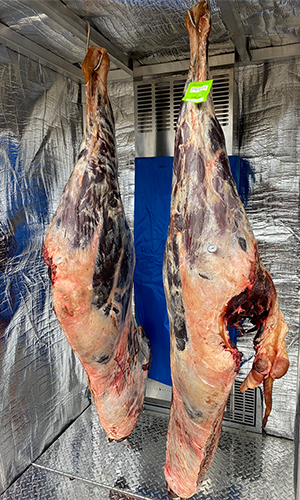
Aging meat increases enzymes that break down and dry the protein. Enzymes are useful; bacteria are harmful. To avoid bacterial growth, age meat at temperatures under 40 degrees Fahrenheit. The bigger the animal, the more time it will require to age properly. Deer have little fat marbled in muscle—most of the fat is on the outside—and hanging for five to seven days will produce tender venison with significantly more flavor. Elk and moose can hang for up to 21 days.
Fat can be left on the carcass when aging meat but should be trimmed off when processing. Keeping the fat layer intact until you process your aged protein reduces the formation of the dry, hard crust that you would typically cut away from the meat, allowing you to keep as much of the good stuff as possible.
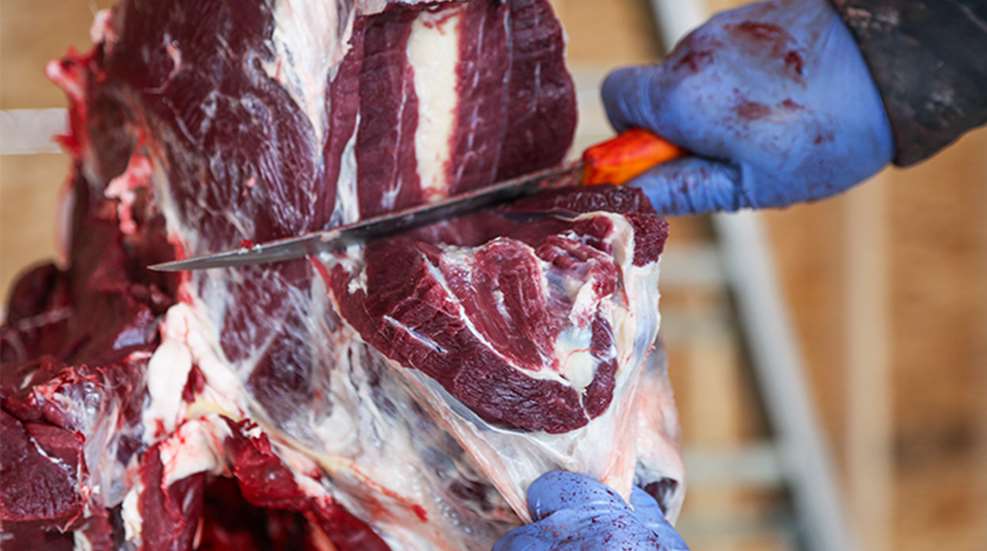
Removing silver skin, gristle and connective tissue from your aged meat is the next step to ensure proper texture and tenderness on the plate. Silver skin can be fibrous and make meat unpalatable and chewy. Cuts with lots of silver skin, like shank and neck, should be used for slow cooking and braising, and not for grilling.
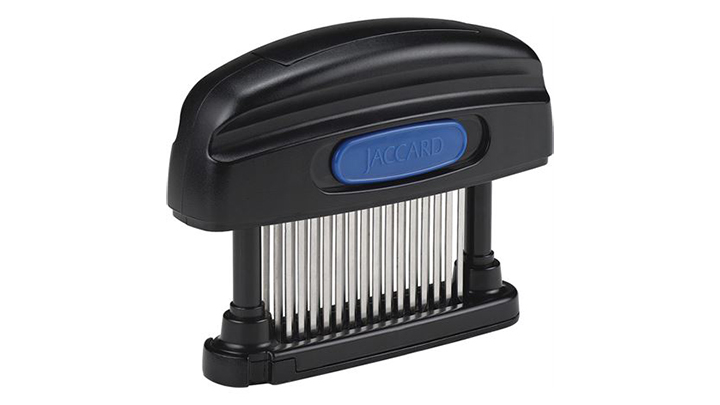
Tenderizing Knife
Butcher shops and grocery chains often use tenderizing knives—specialized tools with a series of small blades that penetrate a steak or roast and make the meat tender. Hunters can use a tenderizing knife at home. Jaccard, a reputable name in home and foodservice equipment, makes a tenderizing knife with 45 to 48 blades that cut every time the knife is pressed into meat. If you shoot an old buck or bull and worry about it being chewy, try a tenderizing knife and you’ll see it makes a world of difference. The minute holes cut in the meat will also allow better penetration of a marinade.
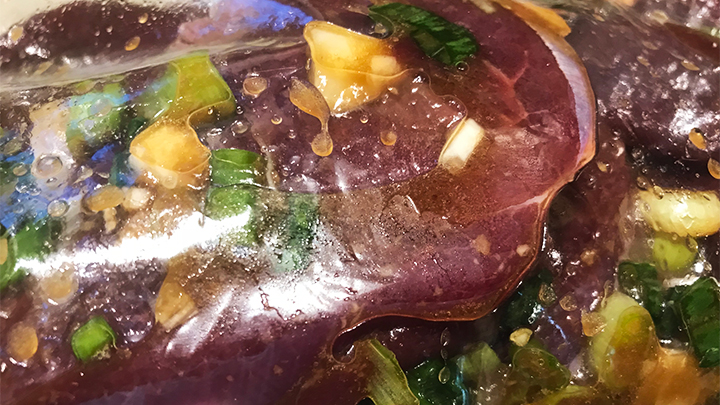
Marinade
Marinades not only add flavor, but help break down meat to make it tender. Acid-based ingredients like lemon juice, apple cider vinegar and balsamic vinegar are great options to add flavor and assist in the breakdown of the protein. Oil added to your marinade helps brown the meat for appearance when cooking. Make sure to limit the amount of salt in your marinades, as it draws moisture from the meat when cooking and can actually reduce tenderness. Marinades with high acidity should not be left on meat for more than a few hours, lest you desire to “pickle” your meat.
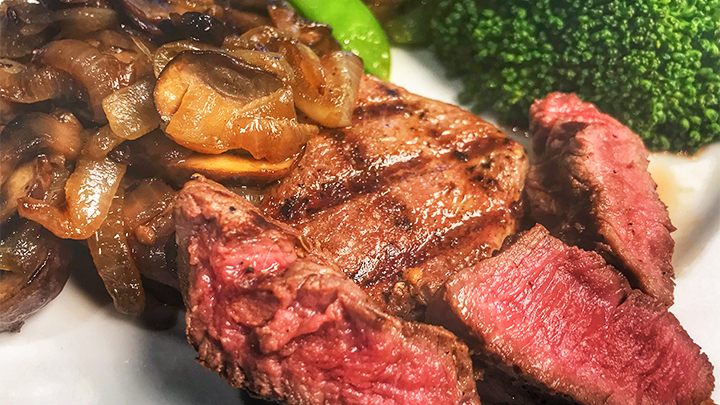
Cooking is Critical
Venison is lean. Overcooking it beyond a medium/medium-rare is the No. 1 culprit in a tough or musky-tasting steak. Wild game cooks faster than beef or pork; it doesn’t have layers of fat to insulate it from the heat. Some people choose to wrap venison in bacon to add moisture during cooking, but that does little to change the moisture content inside the meat. Instead, reduce your cooking times to enjoy tender, flavorful and moist wild game.
A meat thermometer is a good investment. Rare meat has an internal temperature of 125 degrees Fahrenheit, medium-rare is 135 degrees Fahrenheit, and medium is 145 degrees Fahrenheit.
When All Else Fails
When nothing seems to tenderize meat from a particular animal, braising or slow-cooking meat is a great way to get it to "surrender." A Crock-Pot or electric pressure cooker (same result, shorter cooking time) works great for breaking down meat fibers and connective tissue to tenderize your cut of meat.