Most deer hunters head afield with aspirations of punching their tag on the biggest antlered buck they can find. In the fast-paced, social-media driven world that we live in, it seems as though these magnum bucks are a dime a dozen. However, the looming, sad reality is that the true odds of hanging your tag on a “monster” buck are slim at best.
One of the most enjoyable aspects of hunting is that we all do it for different reasons. A “trophy” to me may not be a “trophy” to you. Trust me, no one loves a big-racked buck more than me, but my “trophy” lies in the overall experience and hunting the oldest buck I can find. Sometimes that old buck equates to an impressive set of antlers, other times it does not. But one thing is for certain: to kill an old buck, on his home turf, requires an acquired specific skill set and a dash, or sometimes a bucketful, of luck. Below are two mindsets to consider as you hit the deer woods this fall in regard to what you perceive as a “trophy” buck.
Set Realistic Expectations
Hunters set themselves up for failure long before their hunt begins when they set preconceived, unrealistic expectations regarding the size of deer they hope to bring home.
Additionally, the “trophy quality” of antler that adorns a buck’s head is subjective depending on where you are hunting. A 120-inch buck in upstate New York is a trophy in anyone’s eyes, while that same buck wouldn’t even warrant a passing glance in other parts of the country such as Kansas and Iowa. Another variable to take into consideration when assessing the “trophy” value of a buck is whether you are hunting public or private land. Public land is heavily pressured, and subsequently, bucks generally do not live as long to grow substantial headgear as a buck would on a well-managed piece of private property.
Regardless of where and what you are hunting, take a step back and enjoy every aspect of the hunt and leave your unrealistic expectations at home. A hunt based solely on the outcome of the inches of antler your buck adorns falls far short of the entirety of the experience.
Age is the Trophy
For me, there are few things more challenging, and equally rewarding, as outsmarting an old, mature buck. But just because a buck is old does not mean he will boast a set of antlers surpassing the Boone and Crockett minimum. This truth brings me to my second point that the age of a deer should unquestionably be considered when determining the “trophy” caliber of a buck.
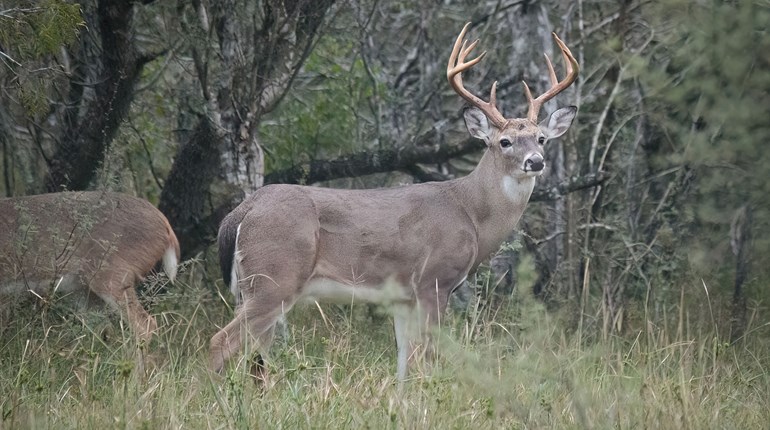
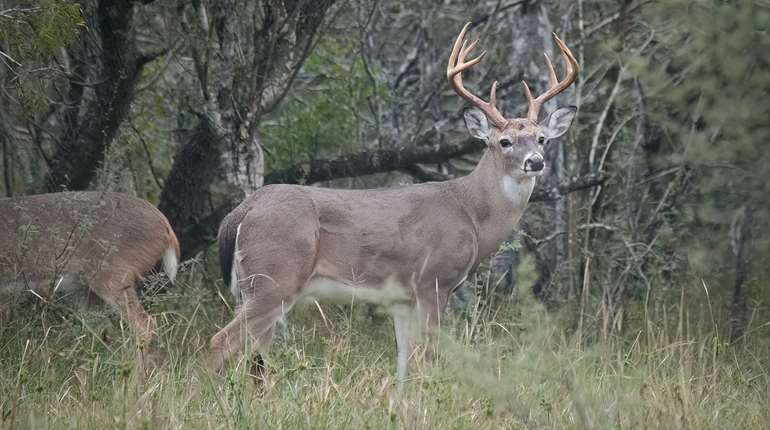
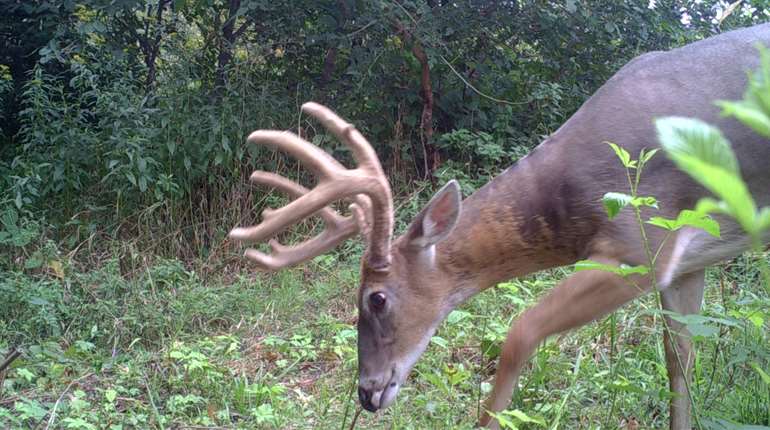
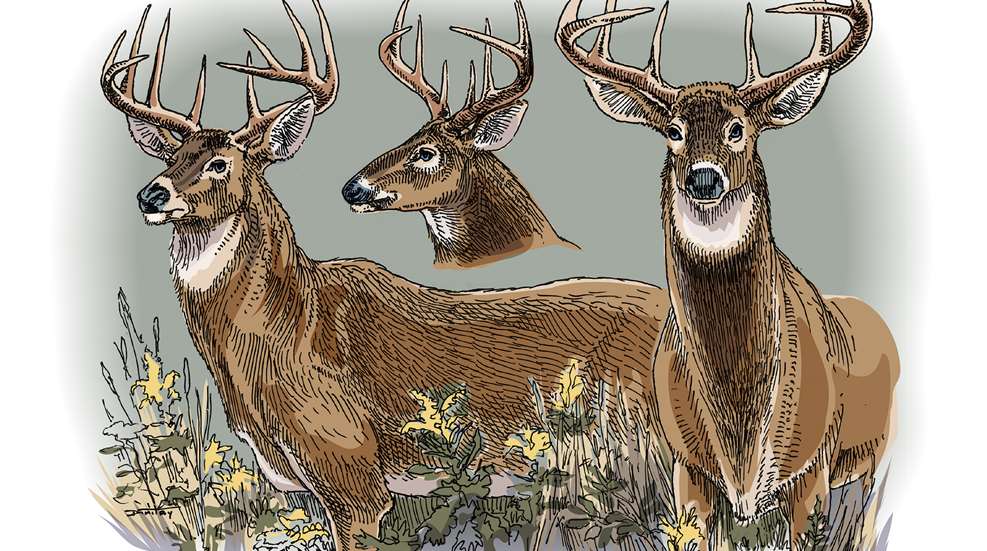
Learning to age deer on the hoof is not an exact science and there are exceptions to every rule, but there are some undeniable physical characteristics that an old buck, whitetail or mule deer, takes on as he matures. Things to look for include:
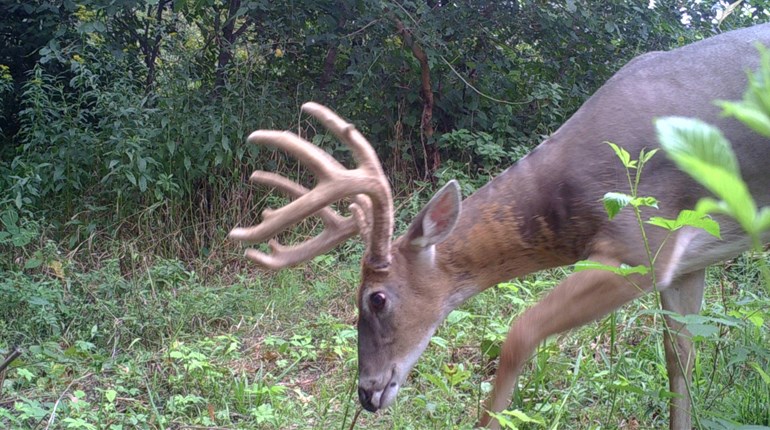
• Head: Years of fighting and asserting dominance often lead to a busted or Roman-shaped nose. Not all old bucks have a Roman nose, but all old bucks have a larger, boxier-shaped head when compared to the slender, pointier-shaped head of a young buck. It is also common to see an old buck with an Adam’s-apple-shaped waddle underneath his chin.
• Chest: An old buck almost always has a prominent protruding chest bone (brisket) between his front legs and the base of his neck. Young bucks appear to have very little chest with a neck that begins where the front of the leg ends.
• Back and Belly: A swayed back and a pot belly are dead giveaways of a mature buck. The straight backs and slim bellies are a quick and easy indicator of an immature buck.
• Overall Body Size: If a buck is by himself, it can be difficult to gauge his body size correctly. However, when you get multiple bucks in the same vicinity, compare their body sizes. Not always, but most of the time an old buck will have a body that dwarfs that of his younger counterparts. Also keep in mind that when a buck has a large body, it makes his antlers appear smaller than they really are. On the flip side, if you shoot a young buck with great genetics, you may have a serious case of ground shrinkage on your hands, as the small body makes his antlers appear much larger than they really are.
• Dominance: Dominance is another attribute of an old buck that becomes apparent when they are around other bucks. If you are looking at a nice buck and a larger-bodied, but smaller-antlered buck runs off the nice buck, chances are that smaller-antlered buck is a much older, more dominant buck.
Some of the tricks I have seen cagey, old deer pull off in an attempt to dodge hunters is flat out astonishing. One experience in particular came as I watched a hunter sneak in on a bachelor group of bucks across a canyon. Before the hunter got into position, the wind switched and all the bucks took off, except one. I had to do a double take as I watched the old buck hit the dirt and belly crawl the opposite direction the others were running until he hit a wash that concealed him. Once he hit that wash, all I saw were the tips of his antlers bounding down the mountain out of sight. I have seen countless old bucks pull MacGyver’s like this, leaving me with a deep respect for these animals and what it takes to successfully kill them. No doubt, hanging your tag on an old buck is a trophy to be proud of.
At the end of the day, shoot what makes you happy. Whether you are settling your crosshairs on a forky or a 200-plus-inch giant, if it gets the heart pumping, send it and be tickled pink with the outcome. The trophy is truly in the eye of the beholder.