The U.S. Fish and Wildlife Service (USFWS) awarded grants to Ducks Unlimited (DU) for three projects in the Great Plains, including $6 million to endeavors in the heart of Nebraska’s prairie wetlands. The funding, allocated through the North American Wetlands Conservation Act (NAWCA), will be matched with additional funds from DU, Cargill, the Platte Valley Weed Management Area, the Crane Trust and the Twin Valley Weed Management Area.
The project in Nebraska will include five tracts encompassing over 6,000 acres of wetlands and associated grasslands in a critical portion of the Cornhusker State’s flyway.
“This project includes some of the most diverse habitat projects we’ve tackled across the and state and combines to form one of the most important stopover and staging areas in the Great Plains,” says Ele Nugent, DU Nebraska manager of Conservation Programs. “These landscapes include the well-known Rainwater Basin and Platte River, in addition to the Sandhills, a place that doubles as migration and nesting habitat for thousands of birds.”
The braided prairie rivers, including the Platte River and its tributaries, the playa wetland complexes of Nebraska, including the Rainwater Basin, and the Sandhills, combine to form one of the most important wetland ecosystems for ducks in the Central Migration Flyway. Waterfowl utilize these shallow wetlands as resting and refueling sites just prior to arriving on the breeding grounds in the Dakotas and Canada.
“This project will also include 607 acres of public access opportunities like hunting, fishing, kayaking and birdwatching,” Nugent said. “Given that 97-percent of Nebraska is privately owned, this proposal will contribute significantly to additional and improved recreational access in the state.”
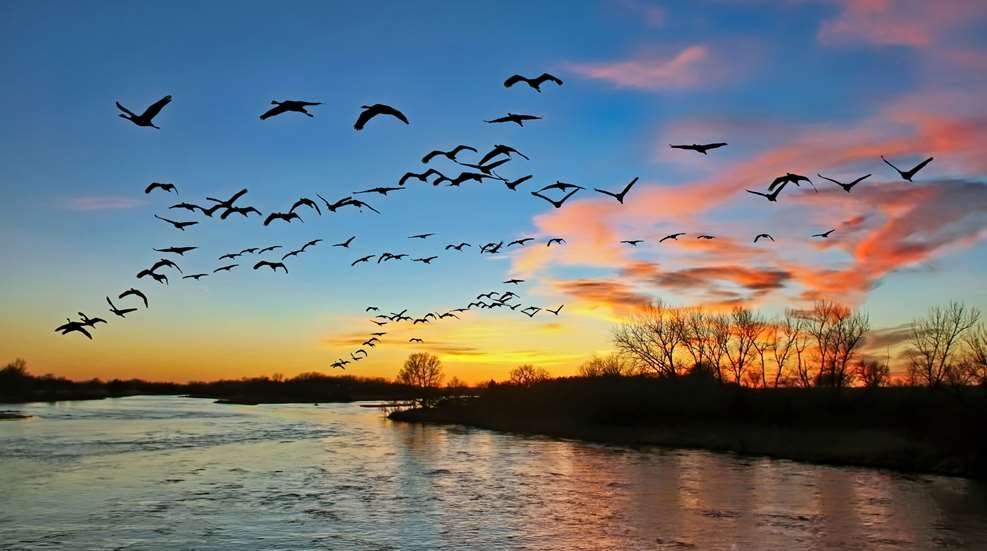
It’s estimated up to 275,000 ducks nest in the Sandhills grasslands along with millions of other nesting grassland birds. In addition to the numerous benefits to waterfowl, the Platte River offers migration habitat to over one million Sandhill Cranes each spring (approximately 80 percent of the world’s population). The grasslands and wetlands in this project will provide some of the few remaining opportunities to provide native prairie landscapes with abundant flowering plants for pollinators in an agriculturally fragmented landscape.
Unfortunately, over 80 percent of the Rainwater Basin wetlands have been lost, and Platte riverine habitats, once characterized by shallow, braided channels, extensive and shifting sandbars, backwater sloughs, and a noticeable absence of trees, are now threatened by development. Yet, millions of migratory birds still rely on the remaining wetland habitat in the spring and thousands nest in the Sandhills each summer. The restoration and maximization of habitat values on remaining wetlands and prairies while seeking to protect habitat when opportunities occur is critical to Nebraska’s bird populations.