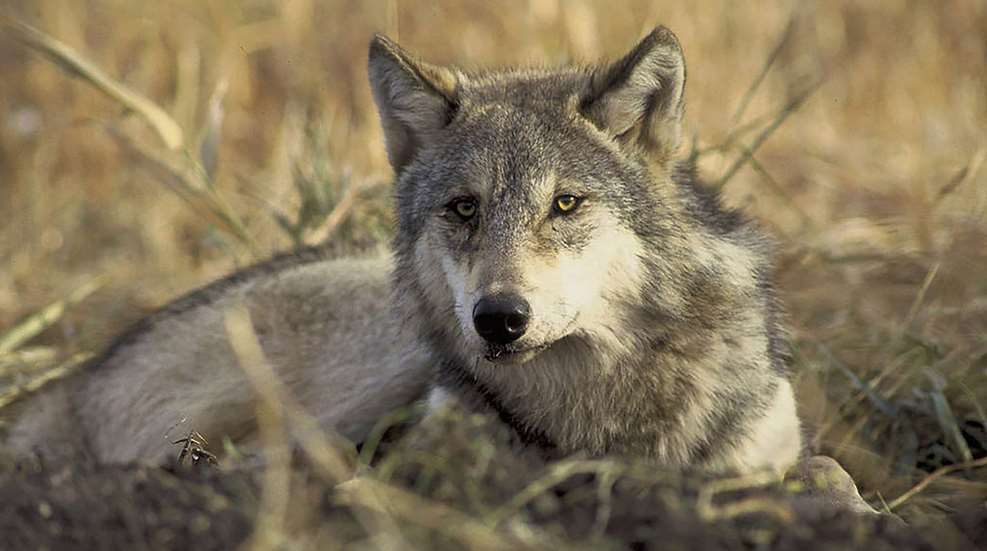
Colorado Parks & Wildlife staff members captured 10 wolves in Oregon in December 2023, releasing them the same month in Colorado. A ballot initiative passed by voters in 2020—Proposition 114—required the department to reintroduce the apex predator. It took only three months for biologists to confirm their first attack on livestock.
The Copper Creek pack, now consisting of at least two of the transplanted wolves, produced three pups by August. Barely a week later, however, state biologists were busy trying to trap the wolves after another calf was killed. Language in the voter-passed law includes the claim that there is no “technical merit” to relocation of problem animals, endorsing instead hazing and expensive fencing.

Colorado Parks & Wildife (CPW), however, cited the U.S. Fish and Wildlife Service’s (USFWS) 10(j) experimental population rule in announcing the trapping effort. It clearly explains the critical role stakeholders—including ranchers—play in the success of any recovery program.
“The decision to capture and relocate the Copper Creek pack was made with the careful consideration of multiple factors and feedback from many different stakeholders,” said CPW director Jeff Davis. “Our options in this unique case were very limited, and this action is by no means a precedent for how CPW will resolve wolf-livestock conflict moving forward. The ultimate goal of the operation is to relocate the pack to another location while we assess our best options for them to continue to contribute to the successful restoration of wolves in Colorado.”
The impact of 2020’s voter initiative may soon impact more than just ranchers. The Cowboy State Daily’s breakdown of Yellowstone’s numbers indicates a significant drop in elk and mule deer populations—and hunting permits—may be on the horizon for Colorado. “When wolves were first reintroduced to Yellowstone National Park in the mid-1990s, there were about 20,000 elk in the park’s northern herd. Now there are roughly 8,000,” Mark Heinz wrote in January.
In November, Colorado voters will decide yet another ballot-box biology proposal, one that would suspend the sound, scientific management of other predators—mountain lions, bobcats and Canada lynx. NRA-ILA summarizes that, “This action, should it be implemented, would inhibit the ability of hunters and state wildlife officers to manage the growing predator populations through hunting. This will lead to overpopulation, damage to the elk and deer herds, and even more interactions of predators with the public.”