Sharing your time in the field with a four-legged hunting partner can be a wonderful experience, and bringing home a new pup in winter offers time to start training your dog before the arrival of the fall hunting season. But before you purchase a new hunting dog there are important factors to consider to ensure a positive experience for you and your puppy.
I’ve owned hunting dogs most of my adult life, and while I’ve enjoyed many wonderful experiences I also understand that there are some important factors to consider before buying a hunting dog. Asking yourself these six questions before you buy will ensure the best experience for you and your new hunting partner.
Which Breed Is Right For Me?
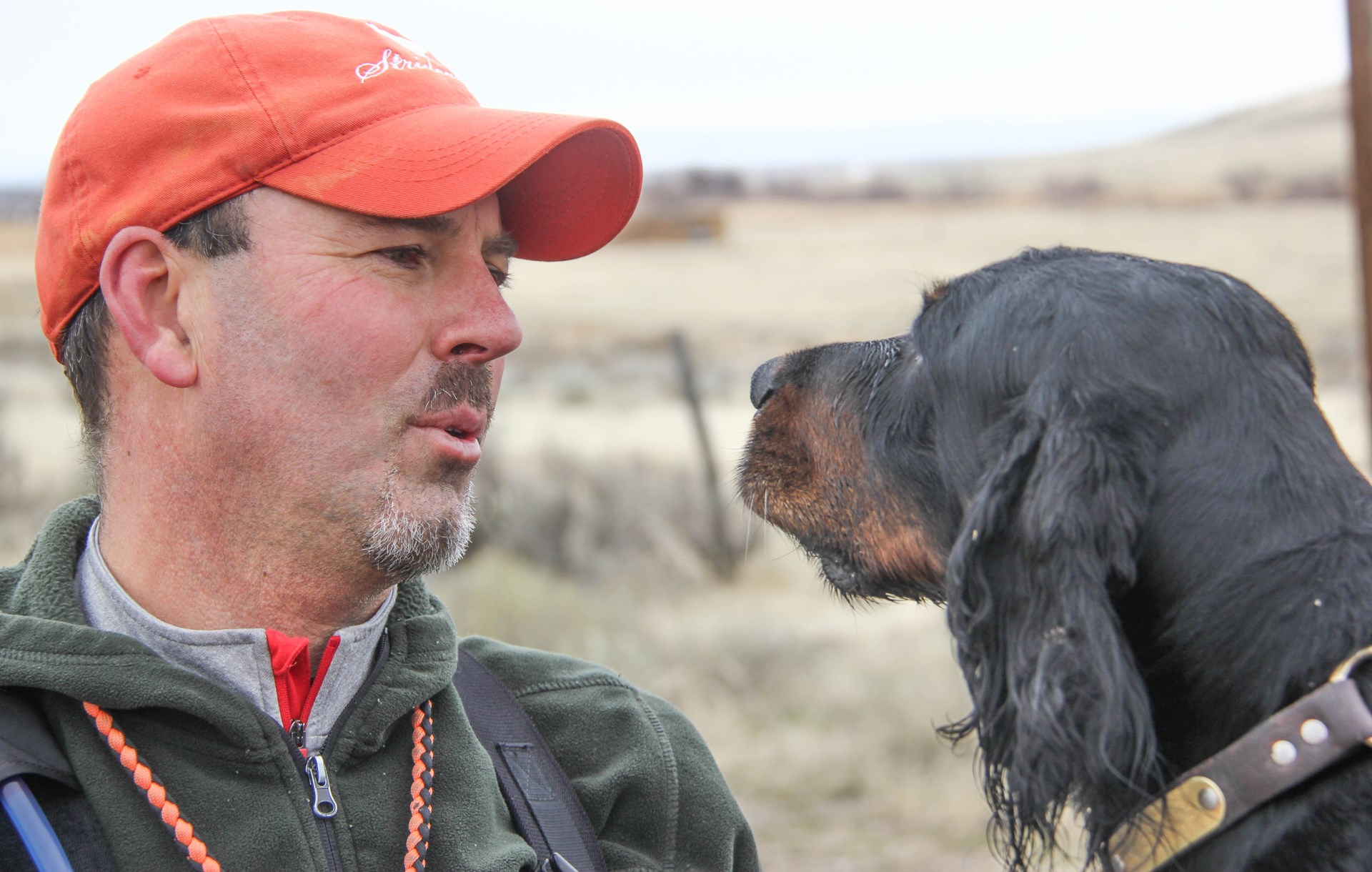
Choosing a dog based on looks or current trends is almost always a bad idea, and selecting the wrong breed is probably the primary reason that hunters aren’t satisfied with their new canine companion. Everyone loves a great photo of a pointer locked up over birds or a lab mid-leap on its way to retrieve a downed duck, but for the dog/handler dynamic to work you must understand as much about the breed as possible when purchasing. For example, I love my Gordon setter and she’s a wonderful bird dog and companion, but she’s also a hard-charging dog that needs lots of exercise so that she doesn’t become destructive or hyperactive in the home. I suggest that you hunt with the breed and talk to as many owners as possible. Everyone likes to discuss the good points of their favorite breed, but what are the challenges? Even specific bloodlines within a single breed vary considerably, so do your homework.
Is the Breeder Reputable?
Purebred dogs are big business, and there are unscrupulous breeders churning out dogs for profit. Look for a breeder that has been in business for some time, and request references. Don’t simply seek out the closest breeder but be willing to find someone who is committed to producing good dogs and working to match the owner and the dog. The best breeders do this naturally. Bad breeders aren’t concerned about anything after the check to purchase the puppy clears.
Top breeders aren’t just concerned with field performance but also the health of their dogs. They won’t breed dogs that are overly aggressive or have health problems but rather work to improve the bloodline and provide buyers with the best pup possible.
What Type of Hunter Am I?
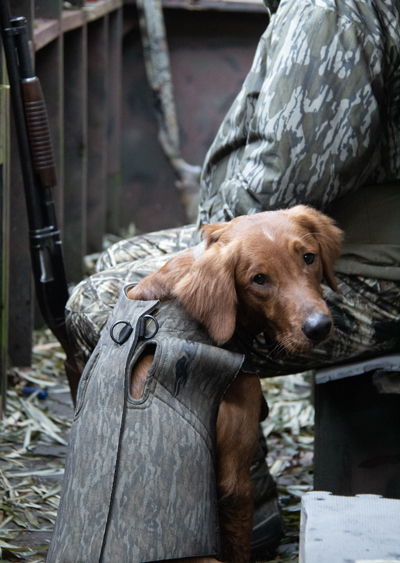
I believe one of the most crucial mistakes many hunting dog owners make is failing to appreciate how their hunting style matches that of their dog. For example, if you spend most of your time hunting preserve birds and don’t like to (or aren’t able to) walk great distances you may not need a bird dog from a hard-charging, wide-ranging bloodline. Most breeds are developed to perform a specific task, but if you and your dog have very different missions when you head to the field that’s going to be an issue. Some breeds like clumber spaniels and English cocker spaniels are naturally inclined to hunt slowly and close to the hunter–depending, of course, on the specific bloodline.
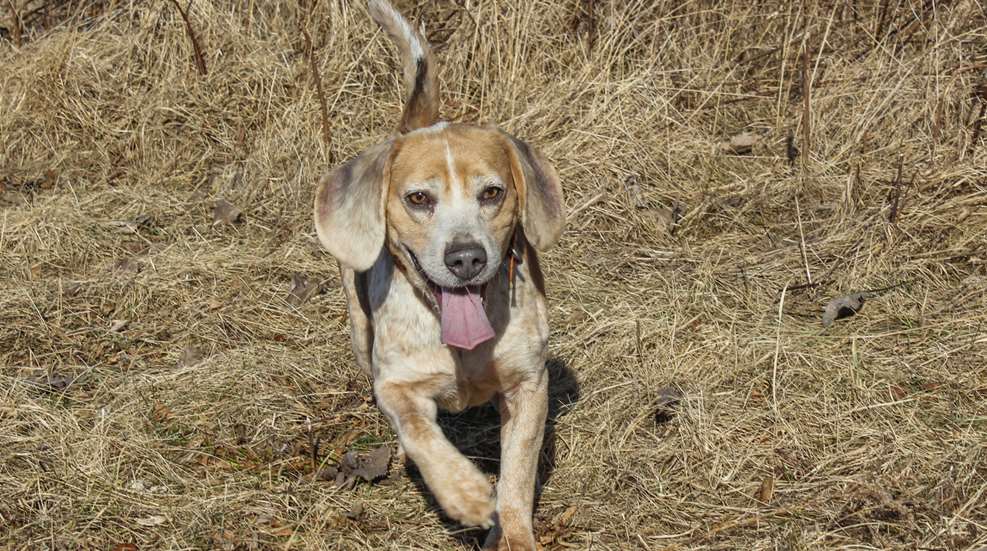
Again, hunting style is not as specific to breed in many cases as it is to bloodline. I used to maintain a pack of competitive hunting beagles and wanted the fastest, hardest hunting dogs I could find that were task focused. Now that I’m not hunting in competition, I’ve come to appreciate slower, more methodical dogs that are more inclined to hunt close. The quarry hasn’t changed and neither has the breed, but my hunting style is different so I’ve sought out bloodlines that are appropriate to the way that I hunt.
Can I Afford a New Dog?
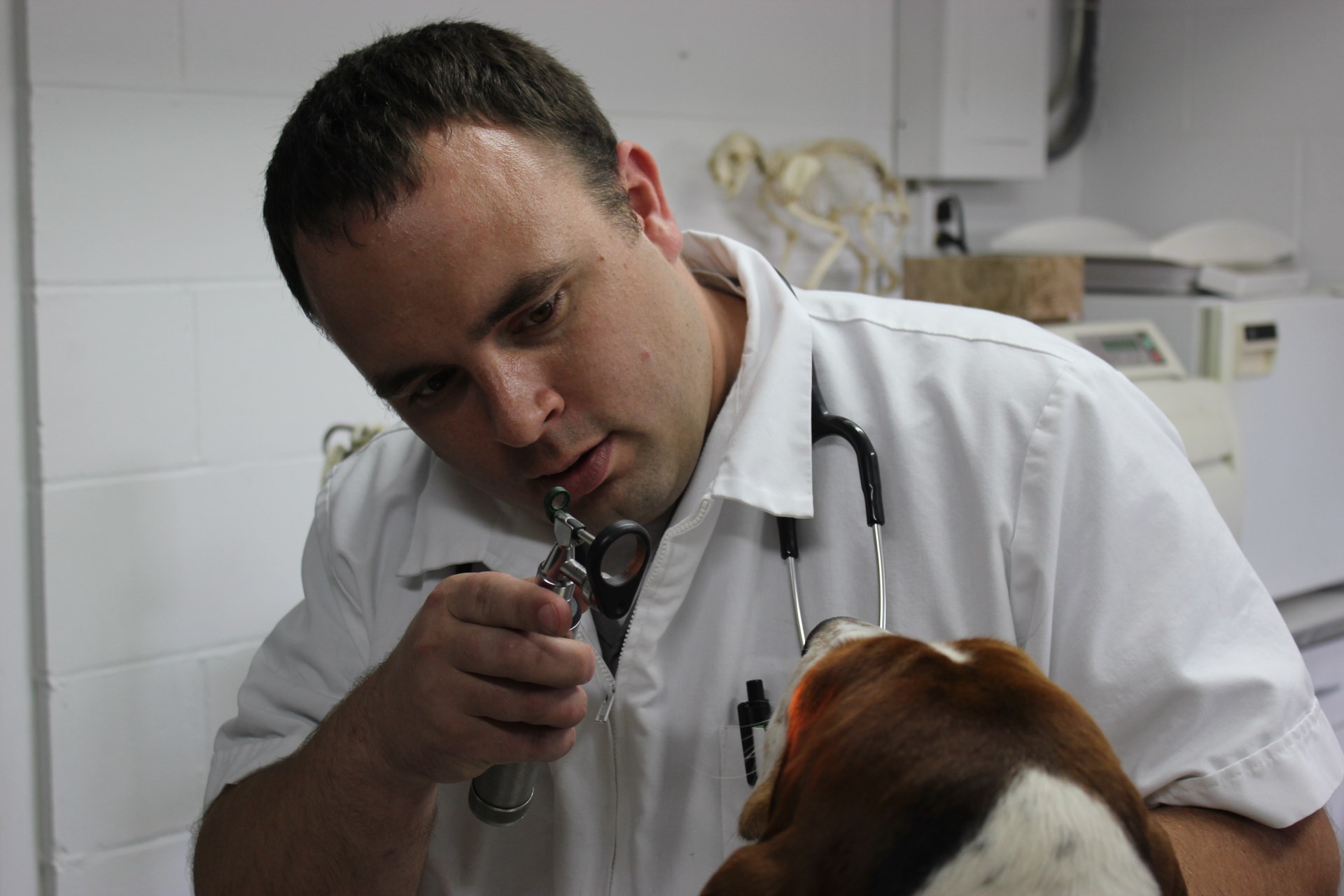
If you think the initial asking price of a pup is high, consider that you’ll be feeding and caring for your dog for the next decade or more. Proper care requires you to feed quality dog food, provide appropriate veterinary care, and purchase accessories like travel kennels and training collars, and this doesn’t include the cost of training (see next point). Owning a dog can be expensive, and it’s important to consider your budget before you buy. Regular veterinary care and quality food are important for your dog to perform in the field, but they’re also important for your dog’s overall health.
“Affording” a new dog isn’t simply a measure of the money you append but also the time you are able to devote to caring for and working with your dog. Do you have the time to take your dog to the vet, to walk them, train them, and spend time with them? Though these aren’t financial considerations it is important that you can devote time to your dog as needed.
Am I Qualified to Train My New Dog?
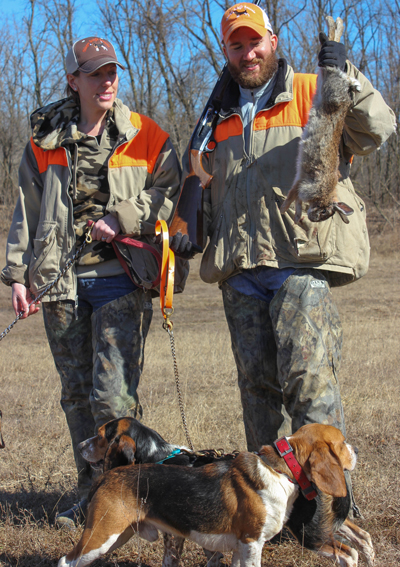
More specifically, do I have the time and the skill to train my dog properly? The amount of time and energy required to train a dog varies greatly by breed and hunting style. For example, once beagle pups learn basic commands the most popular method of training is to introduce them to the pack and allow their instinct and the other dogs compel them to chase rabbits. It’s relatively simple, provided you have access to trained older dogs. However, some dogs require more time, specifically upland dogs and retrievers. You’ll have to determine if your schedule will permit you to train your dog.
You’ll also need to consider whether you have the skills required to train your dog. I believe that you and your dog can learn together, and part of the enjoyment of owning a hunting dog is watching its skills develop while you become a better trainer. However, it’s always good to have access to a seasoned trainer who can help guide you. Books and videos will provide basics, but they rarely cover the nuances of dealing with specific behaviors or training challenges, and your dog’s temperament may require adjustments and alterations to training techniques that first-time trainers likely won’t have in their toolbox. This is why I believe it’s important to work with a trainer. I’ve developed my own style from trainers that I’ve worked with, and I’ve learned when to apply pressure to a young dog and when to settle back and be patient. If you can afford a good trainer, it will be helpful for you and your dog, especially if you are a novice.
What Will I Do with My Dog While Not Hunting?
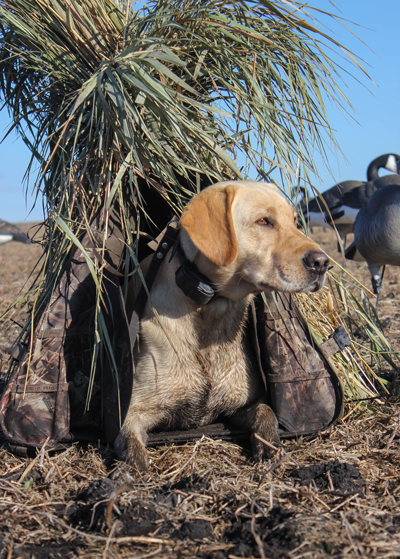
We all imagine what days will be like when we’re afield with our dog, but what will life be like for your canine companion when you aren’t hunting? What will your dog be doing while you’re at work, at family reunions, watching your children play sports or traveling for vacation? Your hunting dog is going to need care every day, and you must find a way to provide that. Feeding and watering are easy, but most hunting dogs need exercise to quiet their minds and prevent them from becoming destructive or loud.
You must also consider where your dog will live. Outdoor dog kennels work fine so long as they provide protection from the elements and room to run. I live in a moderate climate, but winters are cold so my dogs have access via a dog door to the interior of a heated outbuilding. Kennels need to be cleaned often and bedding must be changed and kept dry. Of course, keeping dogs inside is an option, and despite warnings that have floated around for years, I have never felt that living in the house negatively impacted hunting performance. But you’ll need to remove hazards and set ground rules for your dog, and there will likely be occasional accidents and items chewed or stolen, especially in the early puppy stages.
I would never discourage anyone from owning a hunting dog. In fact, I think having a dog makes time in the field much more enjoyable. However, before buying a puppy consider what type of life you can provide for your dog. Sometimes the best decision is waiting until you’re truly ready to have a hunting dog, but the decision will be beneficial to both you and your canine companion.