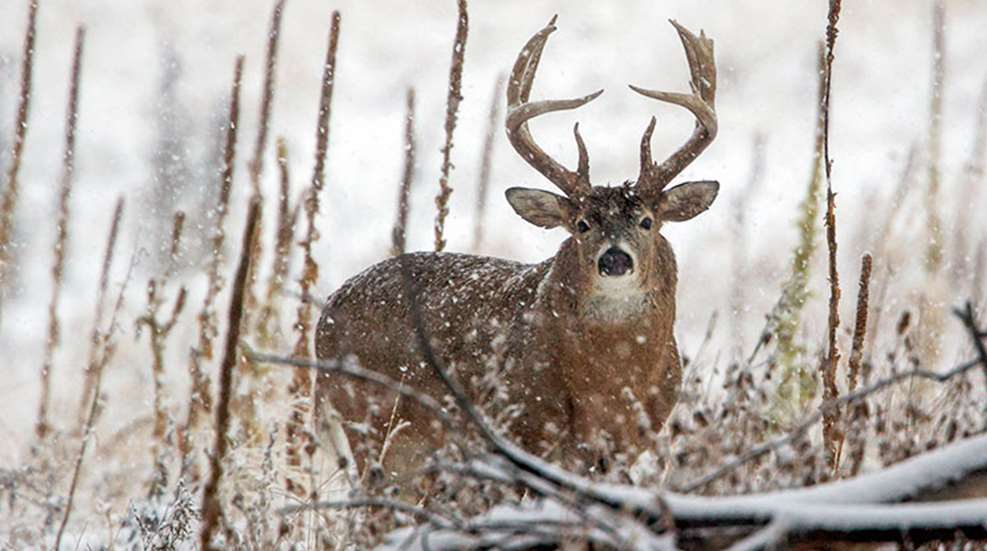
The winter of 2013-2014 was unusually cold in southern Ohio. A prolonged period of below average temperatures resulted in extended periods of temperatures at or below zero, with wind chills as low as 30 below zero. That may not seem excessive to hunters who live in the Upper Great Lakes, but that’s much colder winter weather than humans—and deer—typically cope with in the region.
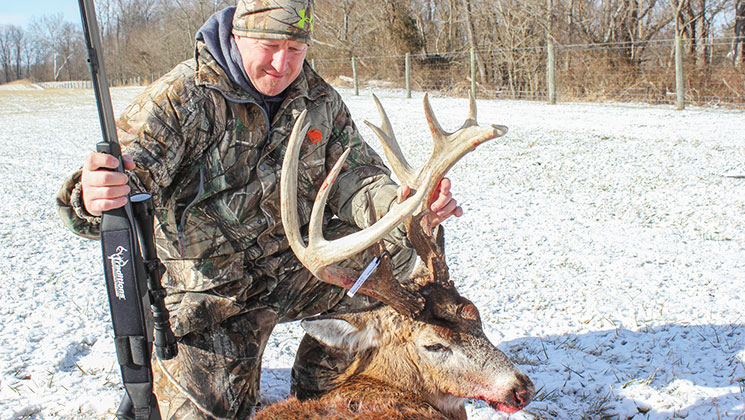
My friend Chad McKibben had been on the trail of a particularly good whitetail buck on his Ohio farm for several months that year. He’d tried to connect with the buck during the November rut, but the wise old whitetail had eluded him. In January, when Ohio’s muzzleloader season opened, Chad was still on the trail of the buck. While the sub-zero temperatures had driven most hunters inside, Chad remained in the woods almost every day, and his persistence paid off when in the midst of a record-setting cold snap ushered in by a polar vortex, Chad finally managed to tag that elusive deer.
Winter is a difficult time of year for both hunters and whitetails, but understanding how deer movements change during the colder months can help you succeed. Don’t give up. It’s never too late to find the deer you’ve been chasing all year, but you may need a different strategy to succeed. Here are five tips to successful winter whitetail hunting.
1. Bedding Areas are Vital
Throughout the year, deer spend much of their time bedded. Bucks are more active and spend less time resting during the rut, but that pattern shifts when the temperatures fall and the days grow short. During the winter, deer reduce their movement and their metabolism slows, and research indicates that whitetails spend as much as 90 percent of their time bedded during the coldest months of the year. They also seek out sheltered areas protected from the wind and drifting snow, so your primary focus should be on locating bedding areas. That’s where deer will congregate, and that’s where you need to center your efforts.
2. Hunt All Day
Because deer move so little during this time of year, it’s important to spend as much time as you can in the woods. The majority of whitetail research indicates that deer continue to feed around dawn and dusk even during the winter, but in northern climates—particularly in the coldest areas where deer exhibited “yarding” behavior—deer fed during the middle of the day when temperatures increased. Many hunters limit their time in the woods because it’s cold and uncomfortable to be in the stand, but since deer movements are limited, all-day sits improve your odds of seeing deer during their limited periods of feeding activity. The key is to have the right gear. If you can survive the bitter cold, your odds of finding a good buck will increase.
3. Know Your Winter Food Sources
In the winter, leaves have fallen in deciduous forests, and most crops have been harvested. This limits the available forage for whitetails, and deer will focus their feeding efforts on whatever food source is most readily available. This varies with location—in the far north, balsam fir and ash are important winter food sources, and in agricultural areas, deer may feed on waste grain, winter wheat or cover crops. Deer movement during the day will likely be limited to these areas since the deer aren’t traveling great distances (and burning vital energy reserves) in search of food unless conditions require them to do so. The deer are concentrated in areas where good bedding cover and winter food sources are both readily available. Concentrate your efforts in these areas, and your odds of success increase.
4. Read the Signs
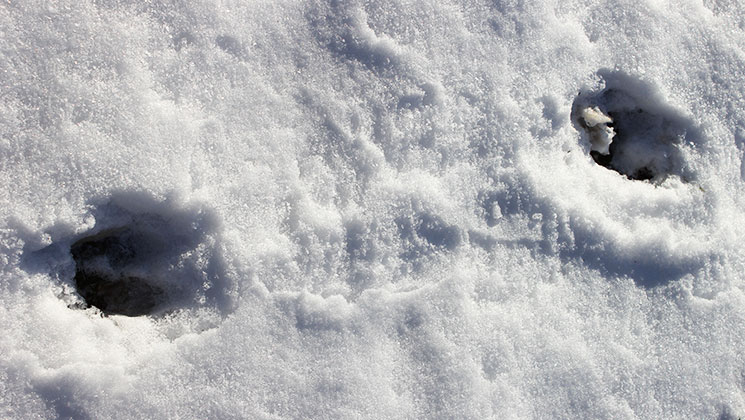
Deer behavior changes dramatically from early fall to winter, so the intel you gathered in October may not be very valuable in January. The good news, though, is that if you have evidence that a buck was living in your hunting area in the fall, chances are he’s still there during the winter. Deer are creatures of habit and, with the exception of the fall breeding season, have specific home ranges where they spend most of their lives. This means that unless the deer have been forced from their home turf by a lack of food or heavy pressure, they’re probably still within that same home range. When the first snow falls, or after a winter rain, spend some time in the woods reevaluating deer sign. Tracks and trail camera images will give you a good indication of where the deer are holding during winter, and since they’re less inclined to travel great distances, it’s a safe bet that they’re still close at hand. Essentially, the buck you are hunting is January is a different animal than the one you were chasing in November. By finding tracks that lead from bedding to feeding areas and signs of winter foraging, you’ll have a better idea of where the deer are spending their time, allowing you to concentrate your efforts in those locations.
5. Ditch the Stand
Many whitetail hunters follow familiar routines, hunting the same stand year-round in the hopes that a deer will eventually pass by. Winter is an ideal time to apply a different method—still-hunting. Since deer are spending more time in their beds and the terrain is more open, you’ll stand a better chance of finding a deer by moving slowly through the woods and glassing. This isn’t an easy process, and the reason that so few hunters succeed at still-hunting is that they aren’t patient. Move slowly, glass bedding areas thoroughly, and use available cover as concealment. Winter snows are also beneficial to hunters since they make it easier to spot deer. It’s challenging to spot a deer—even a mature buck—in dense bedding cover, and if you move too quickly, there’s a good chance you’ll walk right past a mature whitetail.