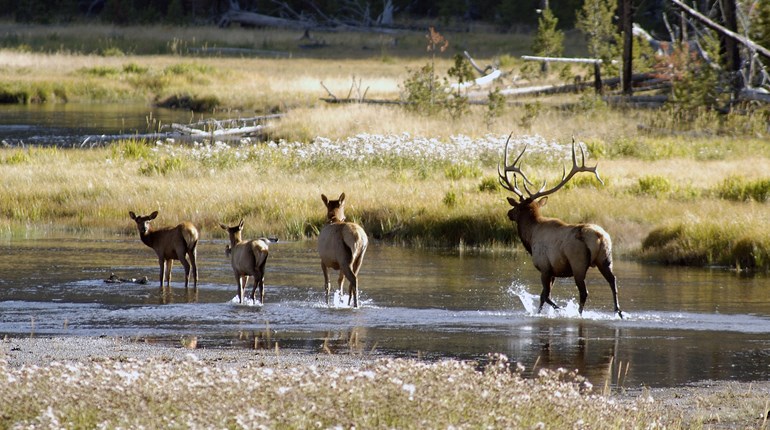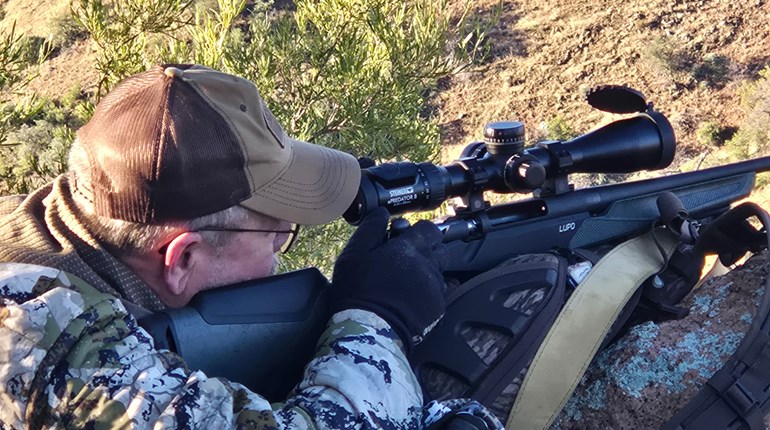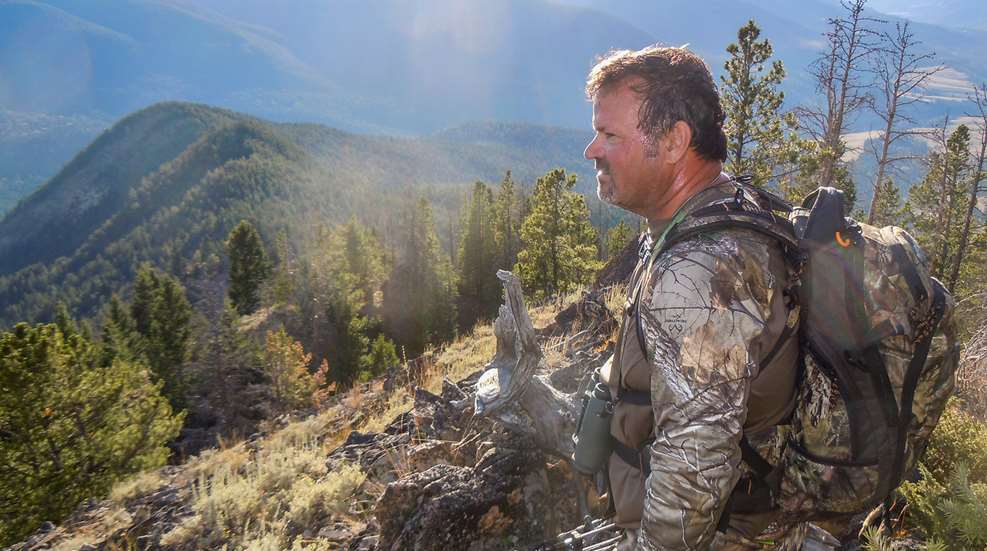
Good news and bad news awaits elk hunters today. First, in most elk hunting units, herds meet or exceed management goals. That equals more elk to hunt. Now the bad news: To curb these burgeoning numbers, wildlife agencies issue more tags. That equals more elk hunters. On public lands, the struggle becomes real. Save for a handful of carefully managed units, hunting pressure is intense. And do not hold your breath: Those carefully managed units require years of preference points to hunt.
To take advantage of the elk excess, keep a few house rules front and center as you plan to enter the fray. With a focused approach, an elk meat reward, maybe even a hatrack, is possible.
1. Understand the Competition
Most of you jump right onto your hunting app to begin research. That’s commendable, but expand your horizons to understand your hunting competition. State wildlife agencies compute hunter data annually. Dive into that data. Dig up how many tags were allocated the previous years, in addition to the current year. Categorize those tag allotments into bow, rifle and even muzzleloader if applicable. Now, examine the success of each season and compare it to previous years for trends, drastic variations or, one hopes, increasing success.
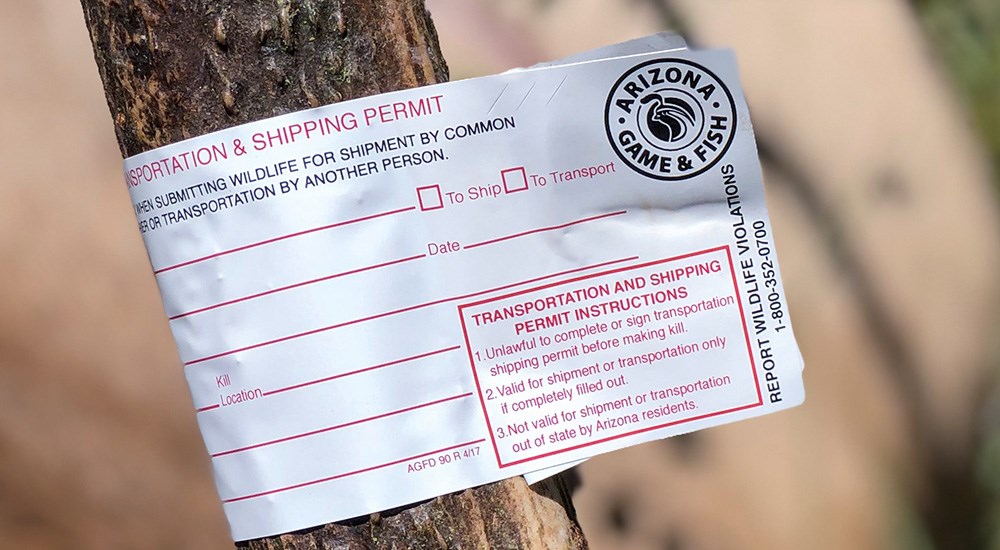
In general hunting units or over-the-counter license units, that analysis becomes increasingly important as more private lands close to the average hunter, and premium tags become harder to draw.
This perfect storm transfers more hunting pressure to units with easier tag access. For instance, a general unit I hunt on occasion in Wyoming boasts a September archery success of 17 percent or less, while a permitted unit nearby boasts nearly double the success at 34 percent. Several factors bump that number, but in the general unit, any resident can hunt while the permitted unit limits the number of hunters. Pressured elk in the general unit racing to private land sanctuary also drives down success. Study up.
2. Know the Numbers
Just as wildlife agencies scrutinize hunter data, they also do math on elk numbers in units and regions. Some attempt to do winter counts on feeding grounds or survey via aerial overviews. Collared elk help play a role in counting as does a wide arrangement of mathematical algorithms to account for sighted and suspected elk in an area. Hunters and landowners also provide insight as to the number of elk in addition to the impact elk have on the landscape.
Even though counts may not hit an exact number, most states have a good grasp on how many elk inhabit a particular parcel of ground. Your job is to acquire that number, review historical trends but, most importantly, determine if that density fluctuates during the year and especially if it changes during hunting season.
Many herds migrate, a customary practice to move out of deep snow. But modern herds also move to avoid hunting pressure. Depending on the size and makeup of your hunting unit, elk may simply walk past the boundaries in large enough numbers to make hunting difficult at best. Discussions with biologists and game wardens quickly shed light on whether this phenomenon occurs, and where elk are headed.
3. Identify the Escape Route
Once you pass the test on hunter and herd arithmetic, this next category deserves purposeful prospecting. Determine the escape routes of elk evading your hunting colleagues. Even highly managed elk units see herds exiting the easy country to the outback. Many elk today have a private ranch in mind as their end destination. That property may still experience hunting pressure due to outfitting, but not in the same intensity as surrounding public land so elk run to the border.
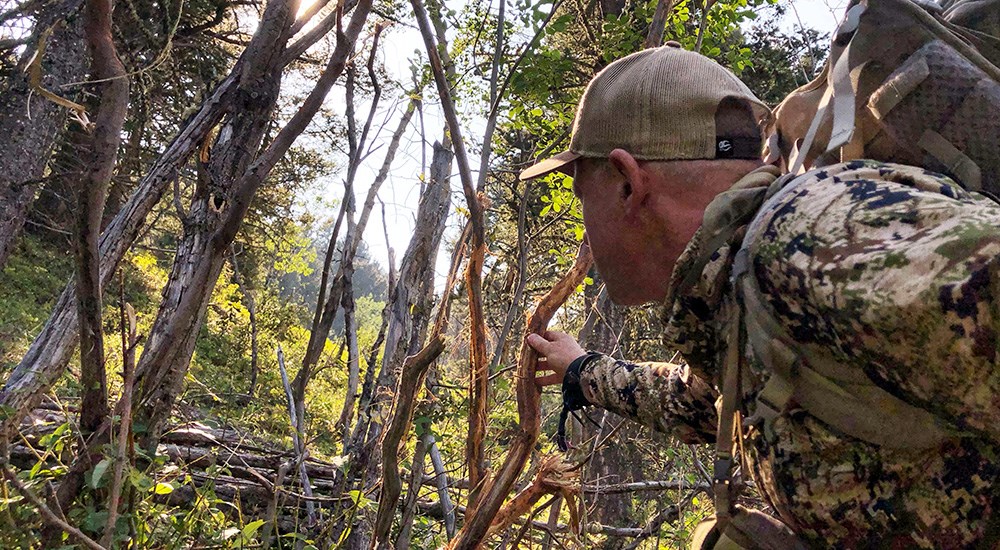 Success on September elk requires an understanding of the unit and property owners within, plus all the terrain throughout that might support a herd.
Hunting peers in the area, online forums and area wildlife officials can all shed light on where the elk by the highway went after opening day. Units comprised of and surrounded primarily by public lands give you the best bet for continued hunting. Of course, you need to be in good shape to keep up with elk that will undoubtedly put rugged country between you and them. Units that include vast acres of remote backcountry require special planning for you to find elk via your legs or hired help, such as a horse packer. Again, elk managers will be able to point out escape areas to help you formulate a plan.
4. Comprehend the Country
After considering hunting pressure, herd density and evasive herd maneuvers, begin to scout every inch of your hunting unit. Most of this occurs virtually on your hunting app, but if you have opportunity to visit or live near a unit, take advantage of boots on the ground. More times than I care to admit, my virtual scouting landed me in trouble with slopes steeper than I expected, more scree than the satellite image suggested and roads on a map that no longer existed due to washouts or new closures.
Add in any information you gleaned from other hunters and discussions with local wildlife managers. After noting areas of interest, including roadless sections, rugged topography and the borders of private land, micro analyze. Begin marking all water sources, meadows and dark timber that elk seek for midday refuge from you and the heat. Although expanses of timber appear to be hunting gems, elk are primarily grazers, and September herds require vast amounts of grass. They may find it in meadows, on top of mesas, within aspen groves or on a private hayfield, but be cognitive of their grazing requirements. And like all mammals, elk require water regularly, daily in most situations. With multiple notations of feed, water and refuge on your hunting app, you have the start to hopscotch between hunting areas to find elk. Never linger and keep moving until you find your quarry
5. Grasp Reality
Finally, grasp the element of reality. Public land elk hunting challenges even the best hunters. Most I know achieve success by knowing when to change tactics and knowing when to move on to a new location. They also understand when to take a break to recharge batteries or when to begrudgingly hang it up.

The popular definition of insanity comes to mind. Doing the same thing over and over, and expecting different results rarely ends with elk meat, or that new hatrack. Adjust like the elk and live by the rules that successful elk hunters embrace to notch your tag.