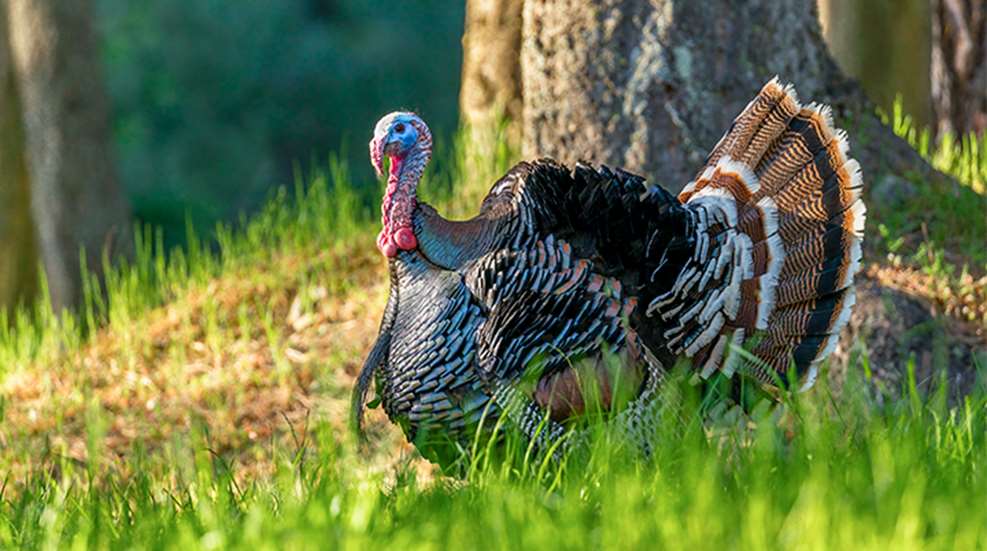
Like whitetail hunters strategizing to hunt the pre-rut, rut and post-rut, turkey hunters also need to consider the ever-changing circumstances of the spring breeding season. If you fail to recognize changing wild turkey behavior throughout this spring ritual, it could cost you a gobbler. Both hens and gobblers feel the effects of changing hormone levels as daylight hours increase with spring’s arrival. The hormones, combined with associated breeding and nesting behavior, alter turkey conduct on a weekly, if not daily basis. Breeding may begin in late February or March in the most southern of latitudes, but expect most propagation in April and early May. Analyze these ongoing spring changes for your best shot at a turkey dinner.
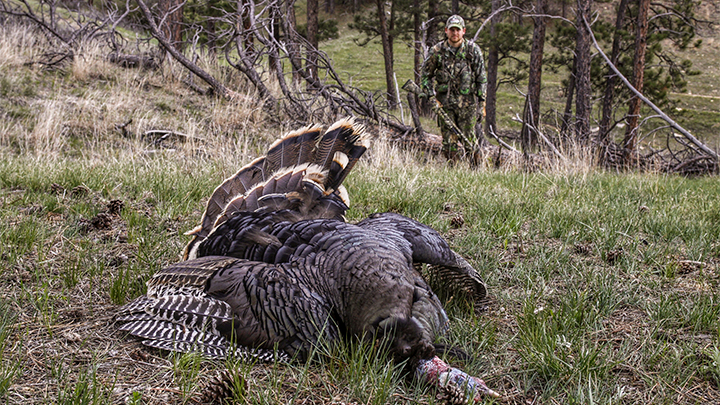
Early Spring Congregation
As winter transitions to spring, large winter flocks of turkeys disband into smaller groups. Your hunt may begin with some flocks still in a larger, winter dimension. This means more eyeballs, more calling competition, and a less likely chance your calls may have an impact on the real rowdiness occurring before you. Hens may also not be quite ready for breeding even though the hormonal boost in toms nears its peak. With so much going on in a congregated community of turkeys, a whitetail-like approach may be best.
Strategy: One good aspect about winter flocks is their predictability. The schedule may not be as reliable as the rising sun, but with enough scouting, you may begin to see a reoccurring pattern. Watch for turkeys feeding in the same fields, scratching in mast-heavy coulees and sunning along south-facing slopes.
Some flocks, especially northern or western groups, often return daily to the same location, particularly roosts, whereas eastern or southern counterparts may only repeat a pattern every few days. Note the preferred location and be in place when you expect the group to return. Calling may or not be needed, but be ready with an enticer. A hen decoy accompanied by a quarter-strut jake lures both the boss hen and any toms.
Testosterone Jumpstart
When you notice flocks shrinking in size and gobbling increasing, you know that breeding season is set to launch. Compare this period to the whitetail pre-rut when testosterone peaks in whitetail bucks prior to estrus breeding. Some hens will inevitably be ready for breeding early, but the majority will slowly begin allowing the advances of amorous toms to progress.
Cold spells or heatwaves could decelerate this period, but not for long, as hormones are in the driver’s seat now.
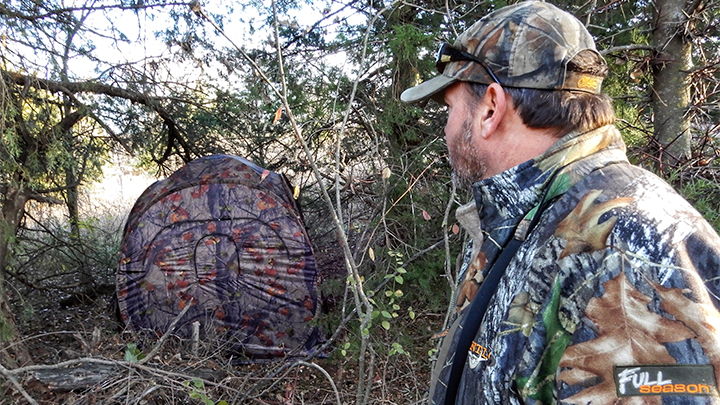
Strategy: This pre-rut for turkeys is when a roost setup stands out. To guarantee success, determine the most likely landing strip after locating the roost location. Next, set your morning alarm an hour or more earlier than normal. You want to quietly slip into shotgun range of the landing zone and place a realistic decoy at its edge well before dawn. Now creep back into the darkness and wait for the turkeys to wake up.
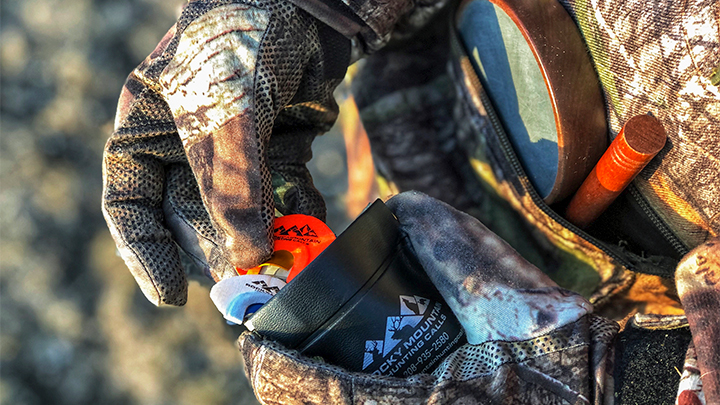
The toms will likely gobble before the hens at dawn’s first hint. Once the hens begin to tree yelp, join in. Match their cadence and volume. Some hens are OK with your presence and will converse politely while toms interrupt. A gang of gals could glide right to you with a tom in tow. A boss hen may crank up the conversation. It’s fine to increase the tempo, as it could annoy a hen and direct a tom right to your lap.
Nesting Annoyances
It begins slowly, but nesting picks up steam as toms fan for the ladies. Once hens have discreetly ascertained the location of their nest, they begin laying one egg daily. Breeding may continue throughout the two-week period it takes her to accumulate approximately a dozen eggs. Interestingly, hens can store semen for efficiency, voiding extracurricular activities for some irritated toms.
As hens deposit eggs, it causes a disruption in "the Force” of the flock. A single hen’s absence may not be noticed, but as more and more hens leave to accumulate eggs, a tom finds himself lonelier and lonelier. Hens won’t tend to the nest 24/7 until the last egg is deposited, but the flock slowly becomes fragmented. Hens may return to the flock or simply feed throughout the day solo, possibly returning to a community roost.
Strategy: Although it goes against the grain, a midday assault may be the answer. As toms busy themselves in the morning with the last of breeding duties, they oftentimes find themselves home alone from midmorning on.
Sleep in and hit the woods right before the brunch hour. Toms will have completed breeding with hens departing for egg laying soon after. Troll the woods with a series of soft, lonesome yelps to fire up any unattached toms wandering without a hookup. Ramp up the banter if he turns up the volume for a fever-pitch meeting. Stay in cover and make the gobbler hunt you until he appears within shotgun range.
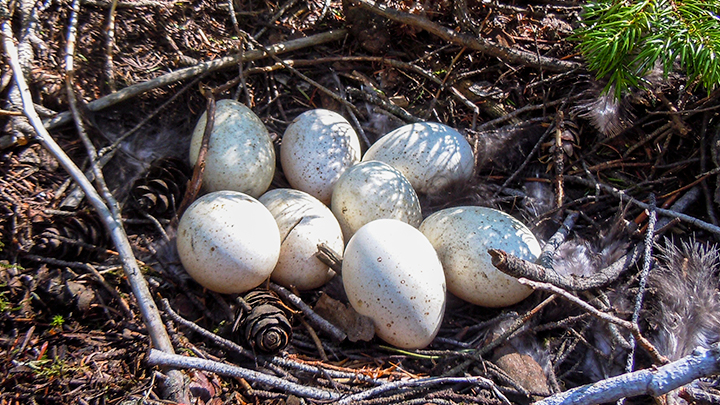
Not Today … I Have a Headache and a Nest
Toward the end of hunting season, most hens ignore toms for one mission: nesting duty. Once all eggs have been laid a hen begins nonstop incubation with only brief recesses from the nest. Her only other activity is to reposition eggs approximately once an hour. This goes on for up to 28 days.
During this absence, toms search for one last Tinder tryst. That may sound like the recipe for high success but there are hitches before any hooray ending. First, toms have been hunted by you and others relentlessly for a month or more of the spring season. Second, the hormones that put them in danger for a winning ruse earlier begin to subside as summer approaches. They lose the drive and don’t have a little blue pill resolution.
Strategy: Patience is a virtue and if you combine it with subtle calling in known turkey alleyways, it could make a tom peek around a tree trunk for a shot. If you do engage a tom but he stalls like a Tesla without a charge, a move may be in order. Circle around the tom with caution to stay on his level and begin a new conversation. You can use the same call, but even a change in pitch or cadence could spark action from a careful tom rethinking every move.
If toms refuse to take part in the dating game, consider staking a hen decoy along a field known for previous turkey showings. Hide within shotgun range, either in cover or in a blind, and wait for a drifter tom. A few soft yelps may briefly ignite his late-season, foot-dragging nature.
By and large, turkey seasons extend for weeks. Stay on top of the turkey behavior changes throughout and you’ll have a tactic ready when you find a window for your spring hunt.