He’d get one more chance. A platoon of fit young men who wished they’d drawn the bighorn tag had combed the crags and even forest’s hem, but found no mature rams. George had traveled a thousand miles to join them for his hunt. A veteran of wilderness trips, he’d come off the hill empty-handed, eyes wearied by hours in powerful glass, muscles tested by the steeps. One more week …
Failing is endemic to fair-chase hunting. But it can be a hurdle for beginners. Pulling a trigger for the first time, or fumbling an arrow onto a bow, they feel the imperative to perform. Mind safety rules. Hit the target. Don’t make a fool of yourself! Afield, they must find game—clever, wild creatures that handily foil veteran hunters—and kill it with one shot. The specter of failure looms large. What if I fall short?
Ironically, images from the shooting industry can increase the angst. Videos and magazine pages puff frisky lads with an Eastwood squint packing antlers bigger than you or I might see in a decade afield. Huntresses comely of face and form slay equally impressive beasts. These aren’t people who’d suffer the bumblings of a beginner. Or spare a high-five over a spike buck.
Superheroes, like Bubba caricatures, inspire some newbies. But most urbanites and suburbanites are unmoved. They don’t aspire to Bubba-hood, and they haven’t the energy or confidence, the money or opportunity to compete with elites. What’s too often missing in our recruiting message to the uninitiated is fun. Besides putting people in touch with nature, tradition and a community, the shooting sports should prompt, on occasion, wide, goofy grins!
■ ■ ■
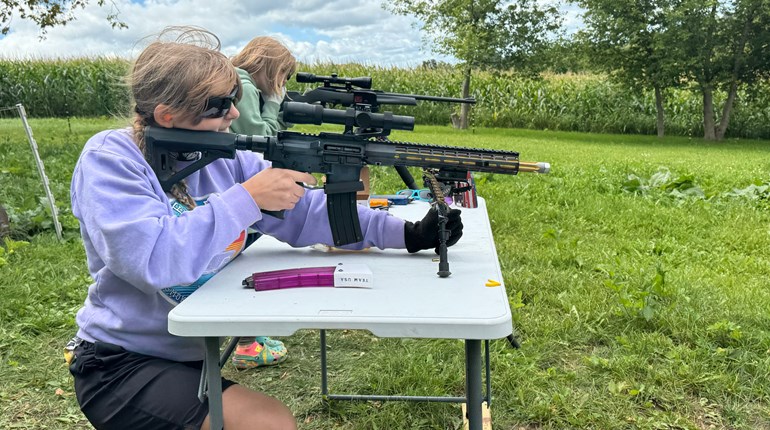
If you’ve rolled soup cans with a snappy .22, or with a shotgun minced clay targets from a hand trap, or arced arrows into balloons tied to bales, you’ve had fun! Action brings smiles. When fringe hits yield the same results as center shots, fun lasts longer. Clean scores on black bullseyes can wait. Killing game can wait. A useful introduction helps the novice find comfort and confidence. There’s no such thing as “too easy.” After the smiles come, you can coach more specifically, talking through the fine points of position and shot execution.
“You got lucky” serves no purpose. Even tyros will see when they caught a break. “Don’t … ” is a turnoff. "Let me show you …” is perilously close to “I can do this lots better than you.” Shelve your ego. “Let’s try … ” is a positive option. What do you value in a shooting partner? Make yourself that person.
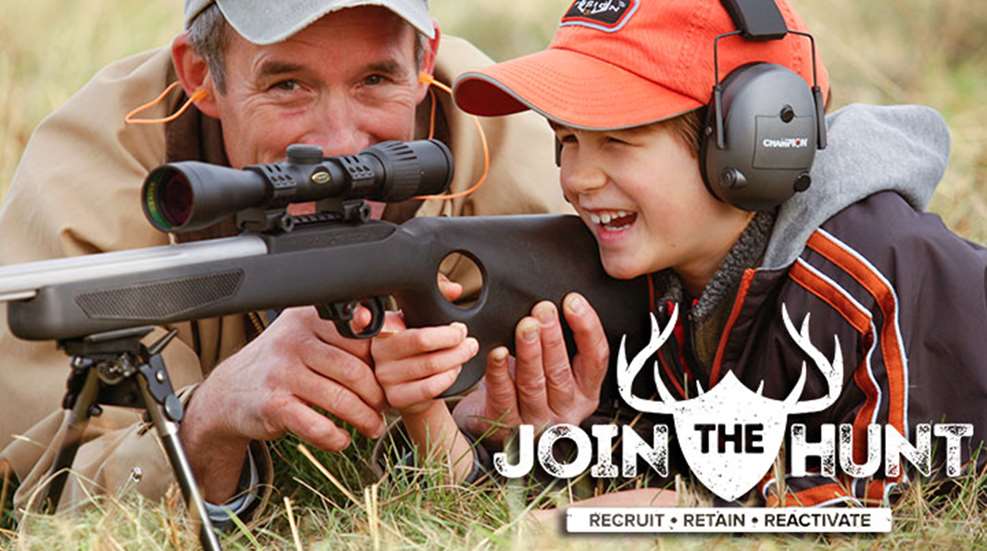
Of course, there’s room for demonstration. When words draw only bewildered stares, show what you mean. “Like this” is neither threatening nor belittling. Visual cues avert confusion. Your smile shows you’re having fun too. That matters because no one likes to learn at the expense of someone else—at least not for long. Making a coach happy empowers the shooter.
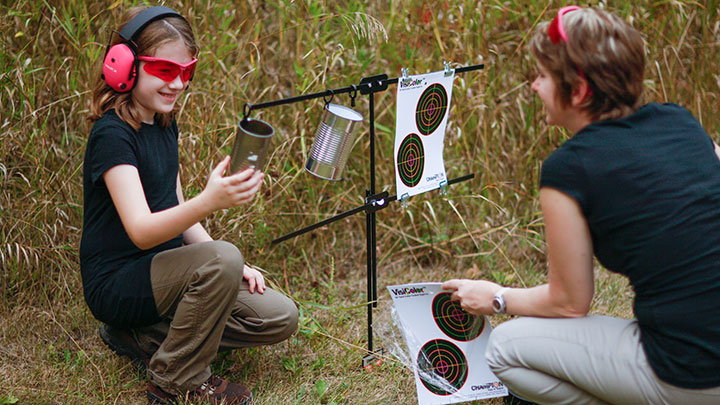
Introducing bullseye or long-range shooting, you’ll have to forego targets that topple, spin, dance or shatter. But peering through a spotting scope, or hearing someone else read the result, is boring. Keep the spark alive with “Shoot-N-C” and other targets backed with fluorescent colors that ring bullet holes so they’re easy to spot through a riflescope. Instead of pinging massive steel plates at extreme range, cut the distance and target size in half, so plates swing with enthusiasm at impact and lead splatter shows clearly.
Keep target faces fresh. Paint steel. Replace paper. A rash of strikes forces study after each shot. That’s a distraction and denies the shooter quick gratification. A clean face is inviting too. Remember the thrill of putting a hand-print in new cement?
■ ■ ■
“Last week wasn’t fun,” sighed Ken, just back from his deer hunt in Hell’s Canyon. Now, my pal is tough. We’ve run marathons together, shared wilderness camps from Idaho to Zimbabwe. “Five saddle hours of cold rain going in. Rain the next four days.” His fly tent and tiny stove offered little comfort. He shot no deer. Ken had weathered worse. “But I thought I’d reached my quota,” he chuckled.
Experienced hunters see physical and logistical challenges as integral to adventure. But beginners view them differently. Small obstacles, mishaps and threats can frustrate, confuse, even frighten. With no field memories or clear idea of what’s ahead, newbies fret. Soon after we wed, Alice and I were slogging through Alberta mud after dark in a downpour, toward a fly camp neither of us had yet seen. “What about bears?” she wheezed. Then: “This hunting thing isn’t much fun.”
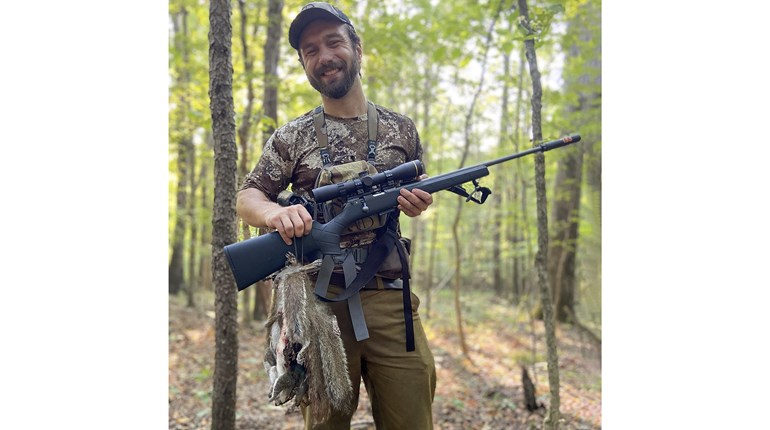
She was right. That hunting wasn’t. Fun is waiting with a .22 under great beeches, harking to the cuttings of squirrels on bright October dawns; easing through a riot of fall colors in grouse coverts, tensed for the next detonation of wings; kicking cockles and grass to light the fuse on roosters too big to miss in their raucous ascent—after muffing shots at the last four. My Midwest intro to hunting owes much to kind farmers who loaned me guns and showed me how to use them.
For fun in the field, you can’t beat small game hunting. It’s inexpensive and available just about everywhere. Unlike big game hunting, you don’t have to quit after the first kill. And it avoids the “trophy trap.” In other sports, trophies go to top achievers constrained by the same rules. The Boston Marathon. Wimbledon. The Masters. Hunters, however, endure the vagaries of chance, from draws for limited tags to “being in the right place at the right time.” Wealth and privilege figure in too, with access to the best places often reserved for the well-heeled and connected.
Even in the Boone and Crockett Club, the word “trophy” has come under scrutiny. Record books reduce it to inches of bone—an inadequate measure of any hunt, even to us who score antlers and skulls. Better to share with the uninitiated hunting’s other rewards: the hues and smells of fall woods, the taste of dawn’s air, the press of unpaved earth. A well-shot squirrel or a cart-wheeling mallard thrills even veteran hunters. First kills are great rewards indeed, however common the target!
And when at day’s end there’s nothing to show for the effort, you might remind the beginner that real competition is between hunter and quarry. “Because you can’t always bag game, but you can always have fun!”