The Best Turkey Call You've Never Used

by
posted on April 8, 2019
** When you buy products through the links on our site, we may earn a commission that supports NRA's mission to protect, preserve and defend the Second Amendment. **
know-how-scratchbox_lead.jpg

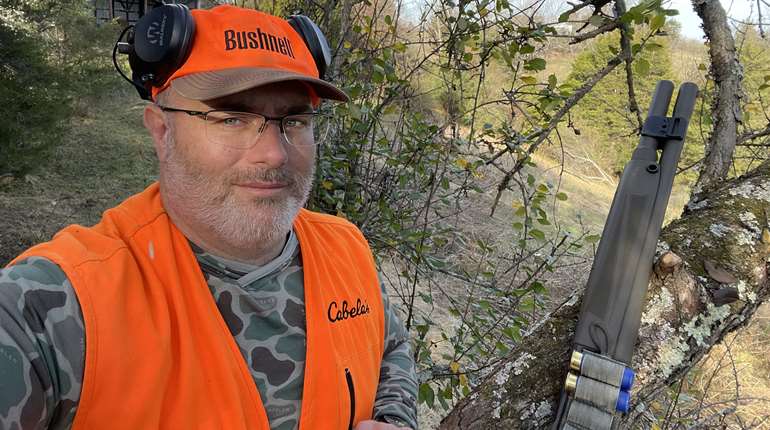
I could see his hands moving, but the sweet sound coming from the ancient scratch box was barely audible—at least to me. Across the beaver swamp, the old gobbler heard every note and answered with a thunderous double-gobble that caused the hair on my neck to stand straight up. “He will be here directly,” whispered Charles Hudson through his facemask. “You best get ready.”

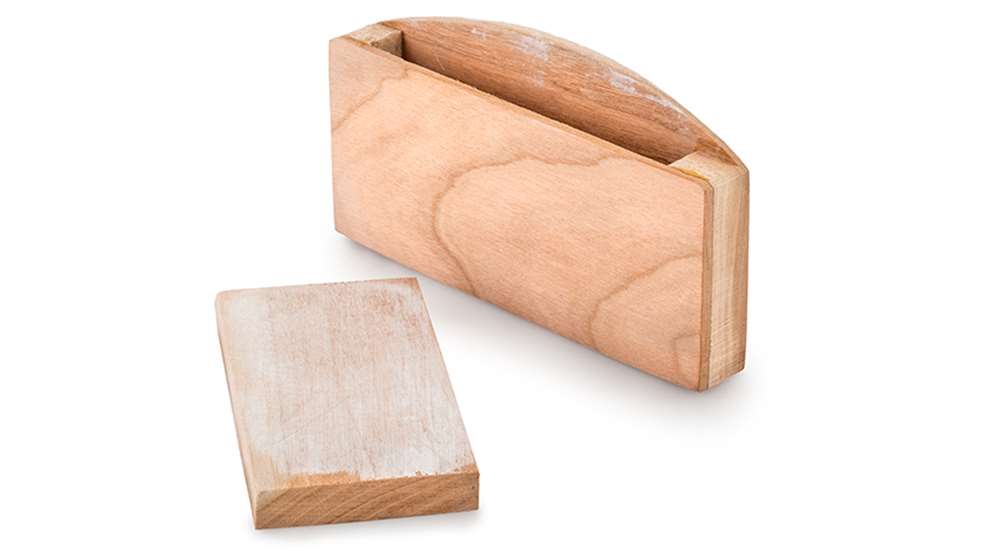
Of all the calls turkey hunters can carry in their vests, perhaps the one that is most overlooked is the scratch box. Many hunters have never seen a scratch box much less used one, but its effectiveness in the turkey woods spans centuries. The scratch box is thought to date back to the late 1700s or early 1800s. It still works today for savvy hunters like Hudson. (Pictured above: Little Big Mouth Scratch Box, $12.95; enticerturkeycalls.com.)

The two-piece design consists of a thin box made from cedar, mahogany or other hardwood, along with a striker (scratcher) made from a different wood or material. The striker is slid across the soundboard of the box (or vice-versa) to imitate the sound of a turkey. It’s called a scratch box because the two pieces “scratch” together.

The main difference between the scratch box and the more common box call is the latter has a connected lid or paddle. With the scratch box they are two different pieces, which makes the call more versatile. Switching from a cedar scratcher to one made from holly or even carbon can change the tone. Hudson prefers a carbon scratcher: “It makes the raspy sound I like and it also allows me to whisper to the gobbler instead of scream at him.”

Latest

Facinn1.25
Facinn1.25

Late Season Decoy Mix

In the final days of duck season, don’t be afraid to change the look of your decoy spreads. Be it a simple alteration or a bold move, a different presentation can be all it takes to provide a strong finish to the season.

New for 2026: Stealth Cam 3.0 Tail Cameras

Stealth Cam has announced its 3.0 trail camera line, with some major tech-forward improvements over its previous generations. Designed for hunters and wildlife managers, these cameras introduce a suite of technologies designed to push surveillance capabilities to the next level, all accessible through the Command app.

Kifaru Launches New Hunting Apparel System

“This system is a purpose-driven solution for the tough environments and unpredictable scenarios outdoor enthusiasts’ encounter. Every piece was designed to help hunters meet those challenges head on.”

Hardware Review: Sierra MatchKing X

Sierra MatchKing bullets have been setting the accuracy standard for handloaders since the Truman administration. Now, they have redesigned their classic MatchKing bullet for hunting, with a softer lead core, tapered jacket and a skived nose to help it expand. They call the bullet the MatchKing X (MKX).

New for 2026: Lapua TRX Tipped

Lapua has expanded its True-Range Expanding (TRX) family of products to include several new ammunition offerings.

Bolt-Action Build: Model 2020 Muley

With the right tools and a bit of know-how, anyone can build a quality backcountry rifle in their own shop, and for a far sight less than a comparable rifle from a custom gun-builder. Follow along for exactly how to build a backcountry-capable rifle all your own, with your only trip to an FFL being the one necessary to get your receiver.

Interests


Get the best of American Hunter delivered to your inbox.