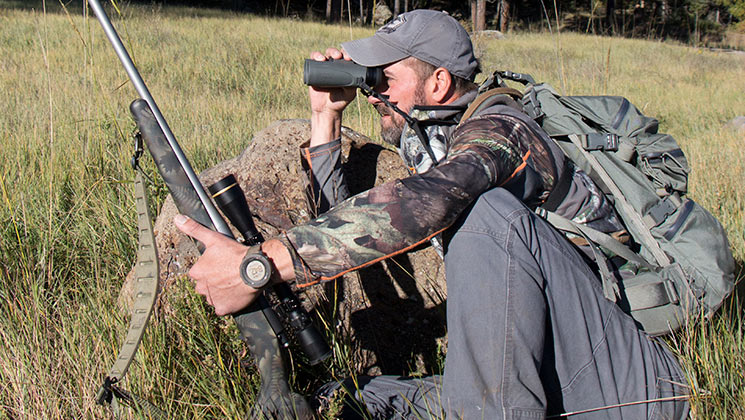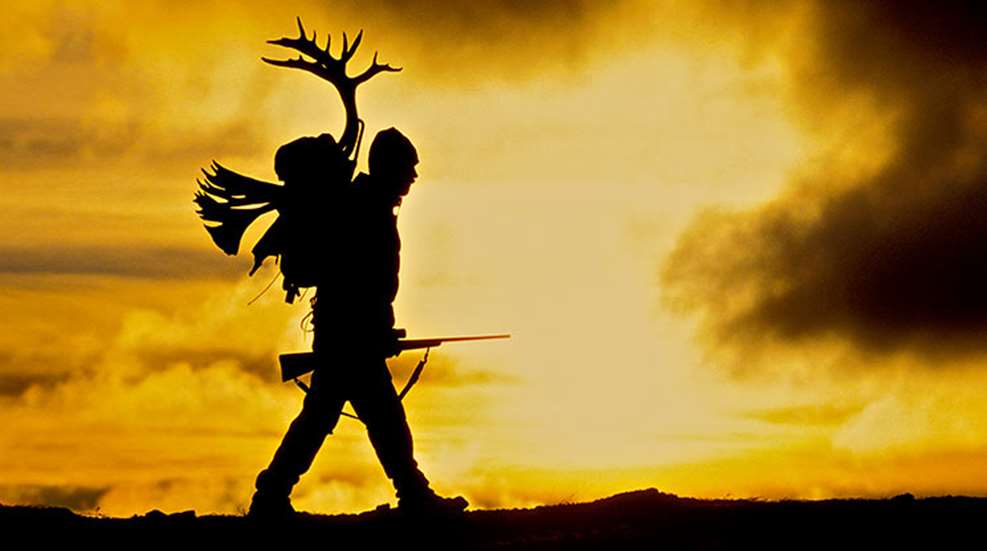
Here in the early years of the 21st century, wilderness survives as a rare and intimidating thing. Few hunters ever meet it. Raging rivers. Pristine lakes. Sucking swamps. Towering mountains. Dizzying gorges. Vast, deep forests hiding horned, antlered and fanged denizens that may have never seen a human. This is real nature, the world as Homo sapiens have known it for millennia—but rarely during the past 200 years. Wilderness hunters are few and far between, but you can be one of them. You can hunt like a modern mountain man.
If you want to truly test yourself, your woodsmanship and your hunting skills, hike into an un-roaded corner of our ever-shrinking world with nothing more than your rifle and whatever you can carry on your back. You might find the ram, buck or bull of a lifetime. You’ll surely find the hunting adventure of a lifetime. But if you don’t do it properly, you’ll run home with your tail between your legs. There are no safe spaces out there.
Before we detail how to backpack hunt properly, understand that ounces are a big concern. They add up quickly. You may imagine yourself a tough and rugged individual, but unnecessary gear will still weigh you down and limit your success. Most wilderness is in high or at least steep, rugged country, so you’ll be fighting gravity and pushing every ounce uphill. Trust me, this will wear you out. And when you’re tired you travel less, hunt less, find less. So get in the best shape of your life. Lungs, legs, endurance. And then outfit yourself with essential gear, but the lightest, functionally reliable you can find. Think maximum performance with minimum mass. Now, on to the critical details …
Mind-set
With the right attitude, you can survive in wilderness without food for at least a week. With the wrong attitude, you can die overnight despite a tent, sleeping bag, rifle and enough food for a month. So work first to develop the right mind-set. The wilderness is not a foreign planet waiting to kill you. It is the Mother Earth that produced and nurtured naked, primitive humans for tens of thousands of years. If they could survive and thrive using sticks and stones, think what you can do with nylon, polyester, steel, a compass and map, a fire starter, freeze-dried food and gunpowder.
To convince yourself of your mountain-man abilities, introduce yourself to living in the wilds gradually. Get your gear then use it in a nearby field or woods, close to the security of house or car. Advance to short hikes and overnight campouts. Become comfortable pitching your tent, operating your stove and loading your pack. Eat your freeze-dried foods enough to understand how they’ll satisfy and fuel you. Learn to forage for a few common, safe plants and berries. Get comfortable with the cries of owls, foxes and coyotes. Then make one or more summer backpack camping trips to the mountains. Get comfortable in the wilds and you’ll be ready to hunt them.
Partners
Facing the unknown is smarter and easier under the buddy system. Enlist one or two reliable, trusted friends to camp and hunt with you. Test-drive them before signing on the dotted line. You don’t want a friend who bails on you or whines and makes your trips miserable. Trekking and hunting with a competent partner with a good attitude can make your hunt and could save your life: “You skin this grizzly! I’ll go lure in another.” … Seriously, if either of you gets injured, the other can offer aid and go for help. If no injuries, you can help each other pack out that elk.
Dress for Success
Think layering and maximum versatility for each garment. Go with wool or polyester unless you’re hunting a desert. Wet cotton kills. Polyester offers the most insulation per ounce. Wool is the most fire-resistant.
1) Base layer: wool or polyester drawers, T-neck shirt, balaclava, gloves and socks. For an extended stay, consider two base layers, one light, one heavy. Use one for a cleaner sleeping garment. Double up for warmth if necessary.
2) Protection and insulation layer: pant, button-down shirt with pockets, watch cap, gloves, ball cap (fits under raincoat hood, shades eyes from sun and rain).
3) Additional insulation layer: vest, jacket with hood, rain parka and zip-leg pant, gaiters.
4) Super insulation layers for cold weather hunts as needed: down is lightest, synthetics best in damp conditions.
Bet on Boots
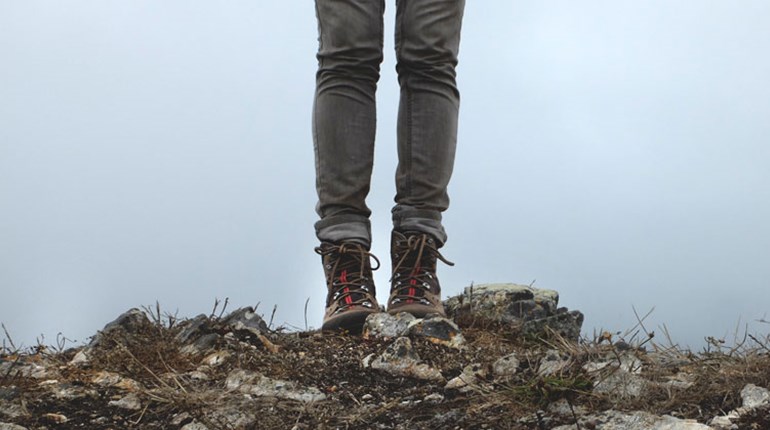
Every bit of backpack hunting gear is important, but boots may be most important. Without them you go nowhere. And if they fail once you’re out there, you might pay hell getting back. Don’t skimp on boots.
They should fit perfectly with stiff soles and excellent ankle support, and they should be sturdy and waterproof. This is your transportation foundation. Lowa, Kennetrek and Cabela’s Meindl are proven brands.
Look for deeply lugged, stiff soles with sharp edges. These let you cut into a steep slope and stand as if on a plank hammered into it. Lugs grab small projections of rock. Stiff outer soles with padded insoles protect feet from sharp stones and thorns. Two hundred pounds of body mass topped with 50 pounds of pack and gear puts a lot of pressure on your soles.
Tall, stiff uppers (8-10 inches) are mandatory for ankle protection. They’ll guard against sharp rock edges gouging you, minimize debris falling inside and decrease potential for twisting or spraining. A high rubber rand melds the outer sole to the upper leather, protecting the seam from tearing and rot, protecting the toe and sidewalls from abrasion. Swivel D-rings flex and fit a variety of lacing systems. Lock rings make it easy to set one lace tension over the lower foot while permitting looser tension and more comfortable leg flex above the ankles.
A Gore-Tex bootie should keep your tootsies dry for a season or two. Augment it with regular application of Sno-Seal. Gore-Tex will eventually wear through and Sno-Seal will wear off, but while they’re working, walking in wet grass and crossing shallow streams is easy and pleasant. Regular re-applications of Sno-Seal is your best bet long-term. Let the hot summer sun drive it into the leather’s pores.
Go for It
Books have been written on backpacking and backpacking gear. Throw in the special needs of hunters and you’ve added another book or two. Obviously would-be backpack hunters must research and consult and test and experiment before launching major expeditions into the great wilderness regions of the world. Those who do will be rewarded with much more than meat, antlers, horns and memories. They will inherit the spirit of the wilds.